Ghana Has Never Formed the Parliamentary Committee Needed to Enforce Audit Recommendations -- Former PAC Chair
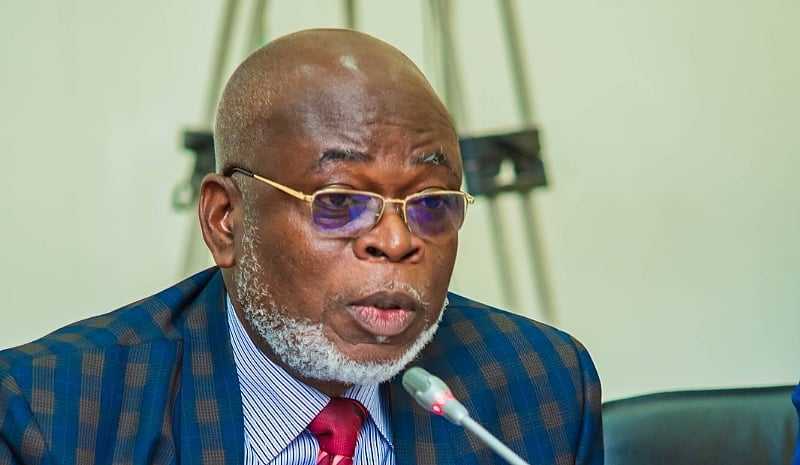
Image: GhanaFront Editorial
Ghana's public accountability framework has a critical missing piece -- a constitutionally required parliamentary committee that has never been formed in over three decades of constitutional rule. Former Public Accounts Committee (PAC) Chairman James Klutse Avedzi brought this structural failure into sharp focus on Thursday, arguing that the absence of this body is the core reason financial wrongdoers identified through public audits rarely face prosecution.
A Constitutional Obligation Left Unfulfilled
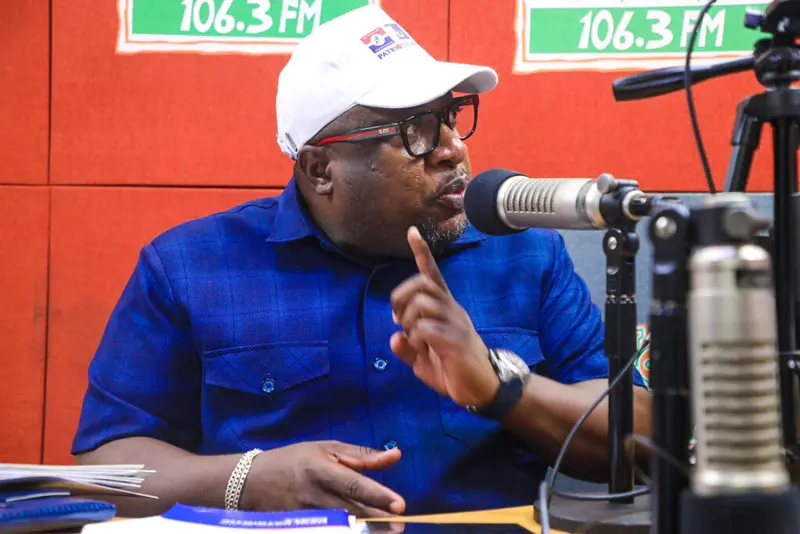
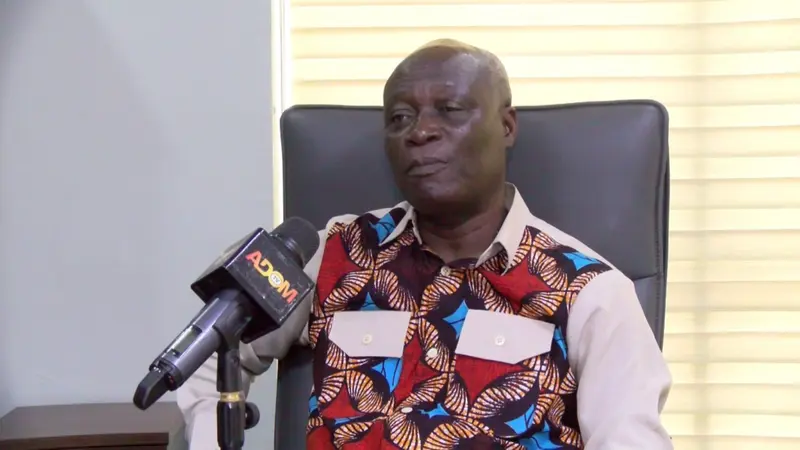
Speaking on Joy FM's Super Morning Show on April 2, amid active PAC sittings in Parliament, Avedzi pointed to Article 187(6) of Ghana's Constitution as the legal foundation for a mechanism that has simply never been activated. The provision envisions a Special Committee tasked with ensuring that recommendations arising from PAC proceedings -- once adopted by the full House -- are actually carried forward and acted upon by the relevant state institutions, including the Attorney-General's Office.
What makes the omission particularly striking is that this is not a policy gap -- it is a constitutional mandate. The framers of Ghana's 1992 Constitution clearly anticipated the risk of accountability recommendations being ignored, and specifically provided for a parliamentary body to close that loop. Yet across every parliament since 1993, the committee has never been constituted.
"The constitution also makes a provision that, after all these, parliament must set up a Special Committee in the interest of the public. That committee will ensure that the recommendations of the Public Accounts Committee which have been adopted by the entire House are implemented. That is what we are lacking -- that committee has never been set up. Since the inception of constitutional rule, we have never established that committee. That is where the problem is." -- James Klutse Avedzi
The former PAC chairman's statement underlines a troubling reality: since Ghana returned to constitutional democracy, no government or parliament has taken the necessary steps to constitute this body, leaving a statutory accountability gap that has persisted across multiple administrations and parliamentary cycles covering both NDC and NPP governments.
How the Gap Undermines Prosecution of Offenders
At the heart of Avedzi's concern is the disconnect between the PAC's findings and actual legal consequences for those found culpable. The Public Accounts Committee reviews reports from the Auditor-General and holds hearings on financial irregularities across government ministries, departments, agencies, and state-owned enterprises. When infractions are confirmed and recommendations adopted by Parliament, those referrals are sent to the Attorney-General's Department for prosecution.
But without the Special Committee to follow up, there is no formal parliamentary mechanism to hold the Attorney-General accountable for acting -- or failing to act -- on those referrals. The result is a system where referrals can quietly expire without any public explanation or consequence.
"If that committee is there, it will ensure that the recommendations of the Public Accounts Committee which was adopted by the House -- the Attorney-General, you are to prosecute the people, what have you done? Go ahead and prosecute the people. Then the Attorney-General will know that after the Public Accounts Committee's report has been adopted, there is another committee that calls me to question." -- Avedzi
In effect, the Special Committee would serve as an oversight layer over the accountability chain itself -- ensuring that the progression from audit finding to parliamentary recommendation to legal prosecution remains intact, transparent, and enforceable. Without it, each step in the chain is technically completed, but the final outcome -- justice -- is never guaranteed.
A Pattern of Stalled Referrals
Avedzi's remarks carry weight given his direct experience as PAC Chairman. He noted that cases brought before the committee and subsequently referred to the Attorney-General's office have a persistent pattern of going quiet -- no public updates on whether charges were filed, investigations concluded, or officials held responsible for financial misconduct.
This is not an incidental observation. It reflects a systemic pattern that undermines public confidence in the accountability institutions Ghana has built. Citizens, civil society groups, and the media regularly note that despite years of damning Auditor-General reports identifying billions of cedis in financial infractions, very few individuals have faced prosecution and even fewer have been convicted.
- PAC recommendations are adopted by the full Parliament
- Referrals are forwarded to the Attorney-General for prosecution
- No Special Committee exists to track or enforce follow-through
- Cases stall without public accountability or visible outcome
- Repeat offenders face no credible deterrent within the system
This cycle, Avedzi argued, fundamentally weakens Ghana's public financial management system. When accountability stops at recommendation and never reaches enforcement, the deterrent effect of public audits is dramatically reduced -- and those responsible for managing public resources learn that the consequences of infractions are limited.
Broader Implications for Public Finance Accountability
The issue Avedzi raises is not merely procedural or technical. It touches on the credibility of Ghana's entire audit and accountability infrastructure. The Auditor-General's office invests significant resources in identifying irregularities and preparing comprehensive reports. Parliament dedicates time, staff resources, and public attention to PAC hearings. Civil society and the media amplify findings to generate public pressure for accountability.
Yet if the final link in the chain -- prosecution and enforcement -- consistently fails to materialize, those earlier investments yield diminishing returns in terms of actual deterrence and behavior change within government institutions.
Avedzi's intervention also raises important questions about parliamentary culture and institutional will. Constituting the Special Committee requires no new legislation, no constitutional amendment, and no significant additional budget. It is within the power of any sitting Parliament to act on Article 187(6). The fact that it has not been done in over 30 years suggests that there may be institutional incentives -- on both sides of the political aisle -- to allow audit referrals to remain unresolved.
As PAC proceedings continue in the current Parliament, his call serves as a direct challenge to the House to take this step and close a long-standing constitutional gap. Ghana has the blueprint -- the committee simply needs to be built, funded, and empowered to compel action from the Attorney-General's Department. Until that happens, the accountability chain will remain broken at its most critical point.
More from GhanaFront Editorial
Related Stories
More from Technology
DVLA begins pilot of RFID-enabled number plates ahead of 2027 rollout
Ghana's DVLA tests high-tech plates that could change how every vehicle is tracked and verified.
1d ago•3 min read