Finance Minister outlines youth-focused job creation policies as World Bank pledges support
The Ghanaian economy has been navigating a complex period, marked by efforts to achieve stability and growth. Key figures in the nation's financial sector have been actively engaging with international institutions to explore avenues for support and collaboration. Discussions surrounding economic strategies and potential partnerships have become increasingly prevalent as the government seeks to address pressing challenges. The focus on creating opportunities for the burgeoning youth population is a recurring theme in these dialogues, reflecting a broader concern about the future of the nation's workforce.
Ghana's economic landscape is shaped by a blend of historical factors and contemporary trends. The country's journey since independence has been marked by periods of growth and periods of hardship, influenced by global economic shifts, commodity price fluctuations, and domestic policy choices. The youth demographic, a significant portion of the population, faces unique challenges in securing employment and contributing to the nation's economic development. Unemployment rates, particularly among young graduates, have been a persistent concern, prompting calls for innovative solutions and targeted interventions. The government's commitment to addressing this issue reflects a recognition of the potential social and economic consequences of neglecting the needs of its young citizens. Furthermore, the relationship between Ghana and international financial institutions like the World Bank is a long-standing one, characterized by both cooperation and scrutiny. These institutions play a vital role in providing financial assistance, technical expertise, and policy advice, but their involvement also raises questions about sovereignty and the potential impact of their recommendations on national priorities.
Several key players are deeply invested in Ghana's economic trajectory. The Minister for Finance holds a pivotal role in shaping economic policy and negotiating with international partners. The World Bank, as a major development institution, wields considerable influence through its lending programs and advisory services. The Ghanaian youth, as the future workforce, have a significant stake in the success of economic reforms and job creation initiatives. Tensions may arise from differing perspectives on the best path forward, balancing the need for fiscal discipline with the imperative to invest in social programs and infrastructure. The stakes are high, as the decisions made today will shape the economic opportunities available to future generations. The success of Ghana's economic recovery hinges on the ability of policymakers to navigate these challenges effectively and forge partnerships that promote sustainable and inclusive growth.
Several open questions remain regarding the specific strategies being pursued and the potential impact of international collaborations. What specific sectors are being targeted for job creation, and how will these initiatives be tailored to meet the diverse needs of young people across the country? How will the government ensure that these programs are accessible to all, regardless of their socioeconomic background or geographic location? What are the specific terms of the World Bank's support, and how will these terms align with Ghana's national development priorities? These questions underscore the need for transparency and accountability as Ghana embarks on this critical phase of its economic journey. The answers to these questions will ultimately determine whether the nation can achieve its goals of creating a more prosperous and equitable future for all its citizens.
Quick Summary
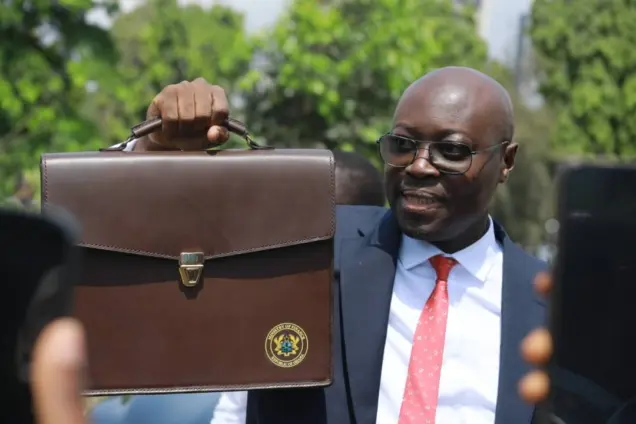
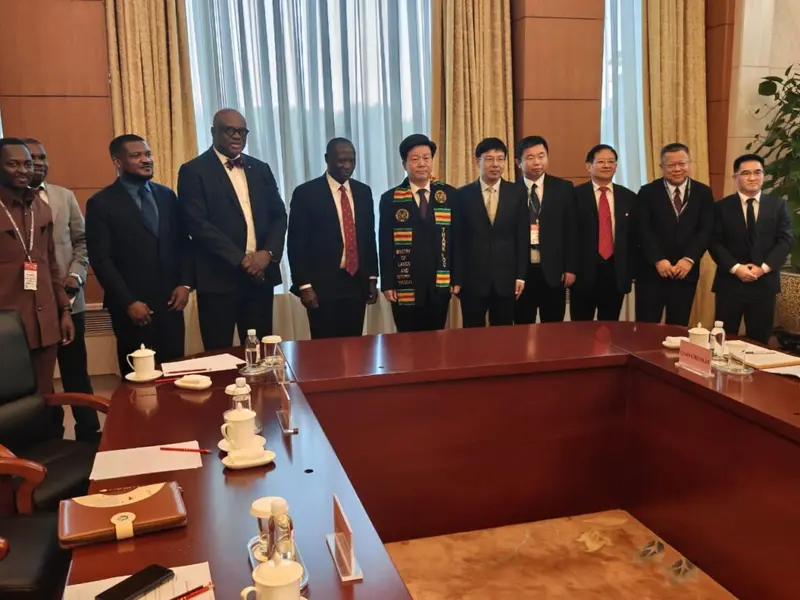
Finance Minister Ato Forson met with the World Bank to discuss Ghana's economic recovery. They addressed unemployment, especially among the youth - and the need for sustainable job creation.
Summary - read the full story for complete context.
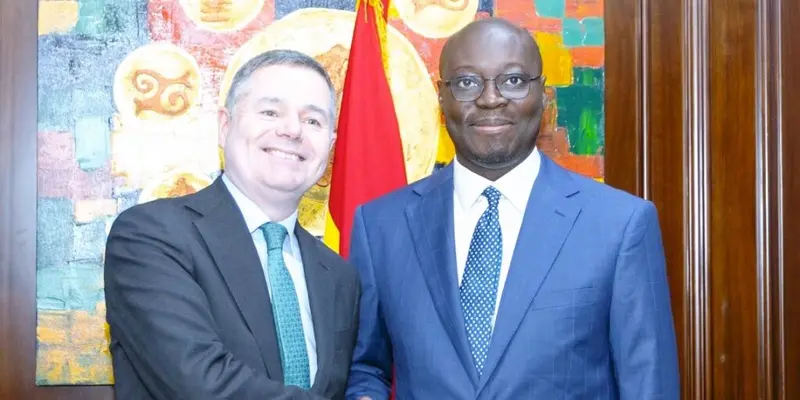
Image: Adom Online
GhanaFront aggregates news from trusted sources. Click to read the original article.
Keywords
Explore related tagsMore from Adom Online
Related Stories
More from Business & Economy
NPA raises petrol price floor to GH¢16, diesel to GH¢16.77 from September 16
New fuel price floors announced - what will this mean for your next fill-up?
22h ago•