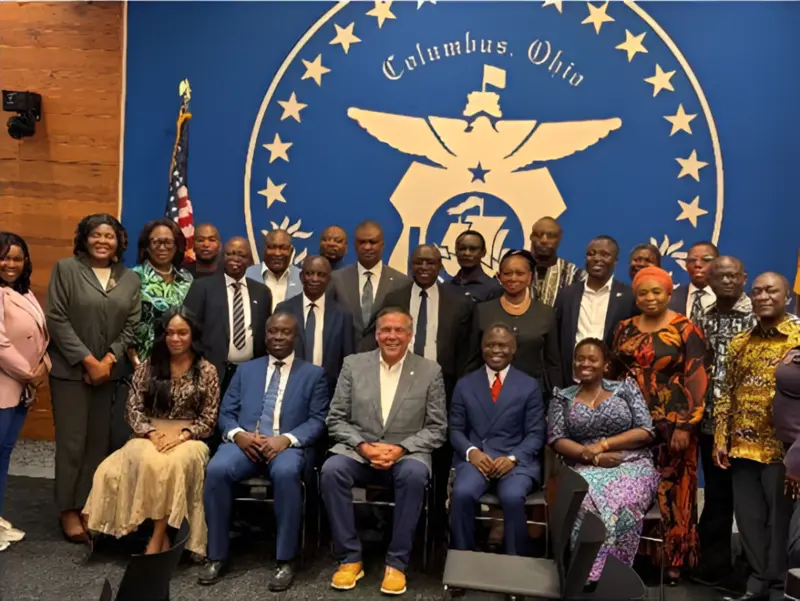
EXPLAINER: What the historic EU-Ghana defence deals means for West Africa
The relationship between Ghana and the European Union has historically been rooted in trade and development aid, with the EU being a significant partner in Ghana's economic growth. Over the years, this partnership has evolved to encompass broader areas of cooperation, reflecting the changing global landscape and the increasing complexities of international relations. Ghana, often lauded for its democratic stability and strategic location in West Africa, has become an increasingly important player in regional security and development. This has naturally drawn the attention of major global powers seeking to strengthen their ties with the continent.
Ghana's security environment is shaped by a number of factors, including its proximity to countries facing political instability and the growing threat of terrorism in the Sahel region. The country has actively participated in regional peacekeeping efforts and has sought to enhance its own security capabilities to address these challenges. The need for international collaboration in addressing these threats has become increasingly apparent, leading to discussions about potential partnerships with countries and organizations that can provide support in areas such as counter-terrorism, intelligence sharing, and defence innovation. For Ghana, balancing its sovereignty and national interests with the benefits of international security cooperation is a delicate act.
The key players in this evolving relationship include government officials from both Ghana and the EU, as well as representatives from various security and defence agencies. There are different perspectives on the optimal approach to security cooperation, with some emphasizing the need for greater self-reliance and others advocating for closer collaboration with international partners. The stakes are high, as the decisions made will have a significant impact on Ghana's security, its relationship with the EU, and its role in regional stability. Any agreements reached must navigate the complexities of national sovereignty, economic interests, and the broader geopolitical landscape.
The announcement of a potential agreement raises several important questions. What specific areas of cooperation will be prioritized? How will the agreement be structured to ensure mutual benefit and respect for national sovereignty? What impact will this partnership have on Ghana's existing relationships with other international partners? And how will the agreement be perceived by other countries in the region? These are just some of the issues that are likely to be at the forefront of discussions as the details of the agreement are finalized and its implementation begins.
Quick Summary
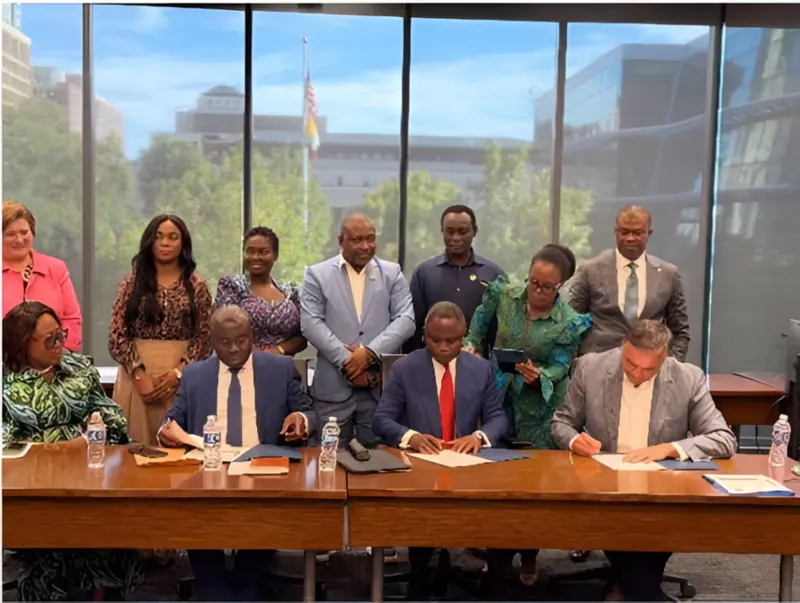
The EU is set to formalise a defence cooperation agreement with Ghana - the first of its kind with an African nation. The agreement is expected to strengthen counter-terrorism efforts and enhance regional stability - but what does it mean for West Africa?
Summary - read the full story for complete context.

Image: GhanaWeb
GhanaFront aggregates news from trusted sources. Click to read the original article.
Keywords
Explore related tagsMore from GhanaWeb
Related Stories
More from Politics
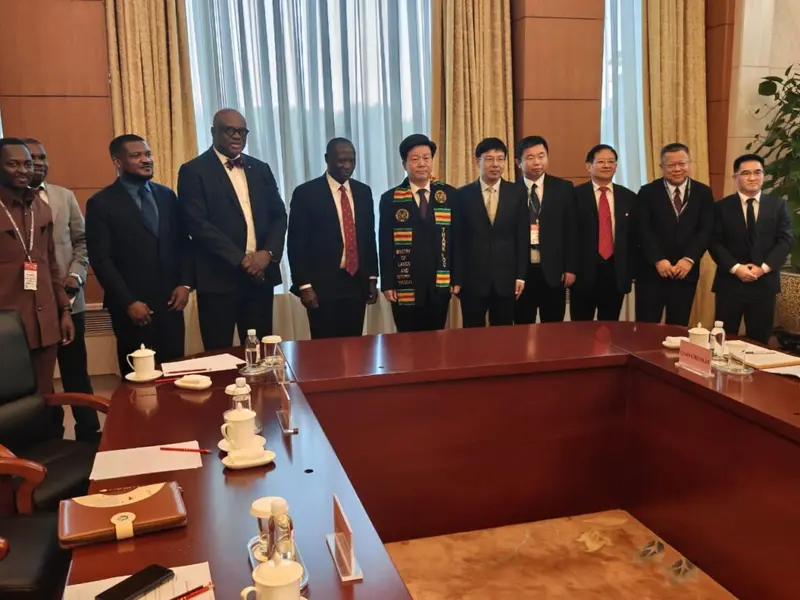
Ghana, China deepen cooperation to tackle illegal mining
A high-level meeting in Tianjin may change how Chinese mining firms operate in Ghana - but what was agreed?
1d ago•4 min read