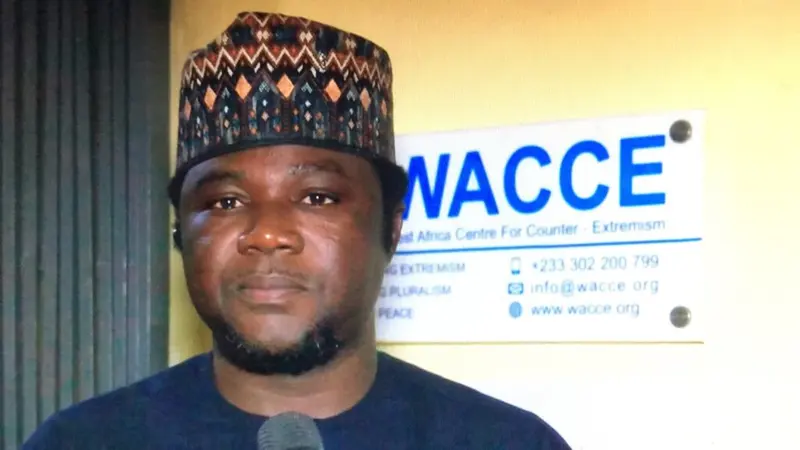
Amanda Clinton writes: Ghana's OSP case and the global pattern of prosecutorial control
Amanda Clinton writes that Ghana's Supreme Court case, No. J1/3/2026, challenges the constitutional validity of an independent prosecutorial body alongside the Attorney-General under Article 88 of the 1992 Constitution. The case questions whether the Office of the Special Prosecutor (OSP) can exist with meaningful prosecutorial independence, or must operate strictly under the authority of the Attorney-General. The OSP has indicated it will challenge interpretations that subordinate it entirely to the Attorney-General, pointing to earlier judicial reasoning that allowed some operational autonomy.
The OSP can apply to be joined as an interested party, or file its own statement of case if already joined. If the OSP proceeds, its legal arguments are predictable but significant, including parliamentary authority to create specialized prosecutorial institutions, a delegation framework, the anti-corruption rationale, and a practical continuity argument. The article mentions that the OSP has already prosecuted cases-removing that power now risks legal uncertainty.
The Supreme Court's decision will determine whether Ghana opts for a model that prioritizes centralized prosecutorial control.
Quick Summary
Amanda Clinton examines Ghana's Supreme Court case concerning the Office of the Special Prosecutor (OSP) and its prosecutorial independence. This raises questions about governance and the balance between the OSP and the Attorney-General - a familiar tension seen globally.
Summary - read the full story for complete context.

Image: MyJoyOnline
GhanaFront aggregates news from trusted sources. Click to read the original article.
Keywords
Explore related tagsMore from MyJoyOnline
Related Stories
More from Politics

Ghana's narcotics crisis deepens as drug seizures linked to country top US$1bn - Minority
What do recent massive drug busts and unresolved incidents reveal about Ghana's narcotics crisis?
1d ago•