Carbon Credits: A New Dawn or Another 'Akon City' for Ghanaian SMEs?
Ghana's commitment to environmental sustainability is laudable, and the recent ShEquity initiative to train 15 Ghanaian SMEs in carbon market access presents a seemingly golden opportunity. However, before we uncork the champagne, a dose of Ghanaian pragmatism is required. We must ask: will this truly empower local businesses, or will it become another instance of well-intentioned initiatives that ultimately benefit foreign entities while leaving Ghanaian entrepreneurs in the dust? The history of development initiatives in Ghana is littered with examples where the promised land turned out to be a mirage. Remember Akon City? The grand vision of a futuristic, pan-African city powered by the Senegalese-American singer, built in Ghana, that never materialized. The hype was deafening, the promises extravagant, but the reality? A field. While the ShEquity program is far more grounded, the underlying principle of accessing global markets requires careful scrutiny to ensure Ghanaian SMEs are not merely exploited for their carbon offset potential. This is especially critical given the complexities of carbon trading, a market rife with opaque regulations and potential for greenwashing.
The training provided by ShEquity, funded by GIZ, is undoubtedly a positive step. Equipping SMEs with the knowledge to navigate carbon markets and collaborate with certifiers like Verra and Gold Standard is essential. However, knowledge alone is not enough. Access to capital, technology, and ongoing mentorship are crucial for these businesses to compete effectively on the global stage. The promise of US$25,000 for the top two businesses to support certification efforts is a start, but it is a drop in the ocean compared to the resources required to develop and implement credible carbon offset projects. Furthermore, the focus on certification by international bodies raises concerns about potential barriers to entry for smaller Ghanaian businesses. The costs associated with these certifications can be prohibitive, effectively excluding many deserving SMEs from participating. It is imperative that the government, through agencies like the Environmental Protection Agency (EPA) and the Ministry of Environment, Science, Technology and Innovation (MESTI), actively supports the development of a domestic carbon certification framework that is accessible and affordable for Ghanaian businesses. This framework should align with international standards but also take into account the unique context and challenges faced by Ghanaian SMEs.
Moreover, the initiative must address the historical injustices inherent in the global carbon market. Developed nations, responsible for the vast majority of historical emissions, often use carbon credits to offset their pollution, effectively transferring the burden of climate action to developing countries like Ghana. While carbon trading can generate revenue for Ghanaian businesses and contribute to the country's green transition, it should not be used as a license for developed nations to continue their unsustainable practices. Ghana must ensure that its participation in the carbon market is guided by principles of equity and fairness, prioritizing projects that genuinely benefit local communities and contribute to sustainable development. This requires careful consideration of the social and environmental impacts of carbon offset projects, ensuring that they do not displace communities, degrade ecosystems, or exacerbate existing inequalities. The involvement of traditional authorities, such as chiefs and queen mothers, is crucial in this process. Their deep understanding of local contexts and their role as custodians of the land can help ensure that carbon offset projects are implemented in a way that respects local rights and traditions. Ignoring this risks alienating communities and undermining the long-term sustainability of these projects.
Looking ahead, the success of the ShEquity initiative, and Ghana's broader participation in the carbon market, hinges on several key factors. First, transparency and accountability are paramount. The government must establish clear and enforceable regulations for carbon trading, ensuring that all transactions are transparent and that the benefits are shared equitably. Second, capacity building must be prioritized. In addition to training SMEs, the government must invest in developing the expertise of its own officials to effectively regulate and monitor the carbon market. This includes training in carbon accounting, project development, and verification. Third, collaboration is essential. The government, private sector, and civil society organizations must work together to create a supportive ecosystem for Ghanaian SMEs to thrive in the carbon market. This includes providing access to finance, technology, and mentorship, as well as advocating for policies that promote sustainable development.
The ShEquity program represents a potentially significant step towards empowering Ghanaian SMEs and advancing the country's green transition. However, it is crucial to approach this opportunity with a healthy dose of skepticism and a commitment to ensuring that it benefits all Ghanaians, not just a select few. Let us learn from the lessons of the past and avoid repeating the mistakes that have plagued previous development initiatives. Let us not allow the allure of the carbon market to blind us to the potential pitfalls and the need for a truly equitable and sustainable approach. Only then can we ensure that carbon credits become a source of genuine prosperity for Ghanaian SMEs and a catalyst for a greener future, and not just another 'Akon City' dream deferred.
Keywords
Explore related tagsMore from GhanaFront Editorial
Related Stories
More from Business & Economy
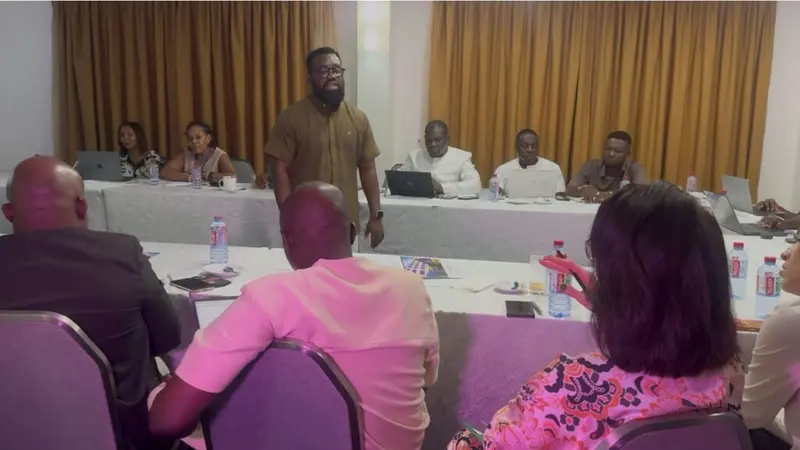
ShEquity trains 15 Ghanaian SMEs to tap into carbon market opportunities
Ghanaian SMEs are getting a boost to tap into carbon markets - but what does this mean for the environment?
5h ago•2 min read
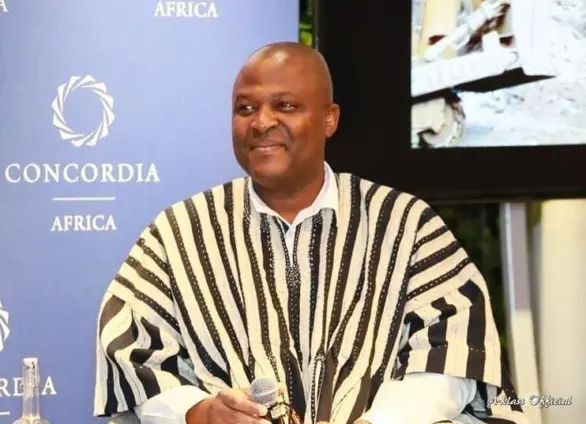
'Being the President's brother shouldn't stop Ghanaian ownership' - Agyeman-Duah on Damang mine
Should being the president's brother disqualify a Ghanaian from owning a mine? One expert weighs in.
5h ago•2 min read
Ghana's Investor Town Hall Is a Good Start -- But Credibility Is Rebuilt Through Deeds, Not Dialogue
Ghana's economic recovery hinges on more than just talk: what crucial factors will determine its success?
7h ago•2 min read
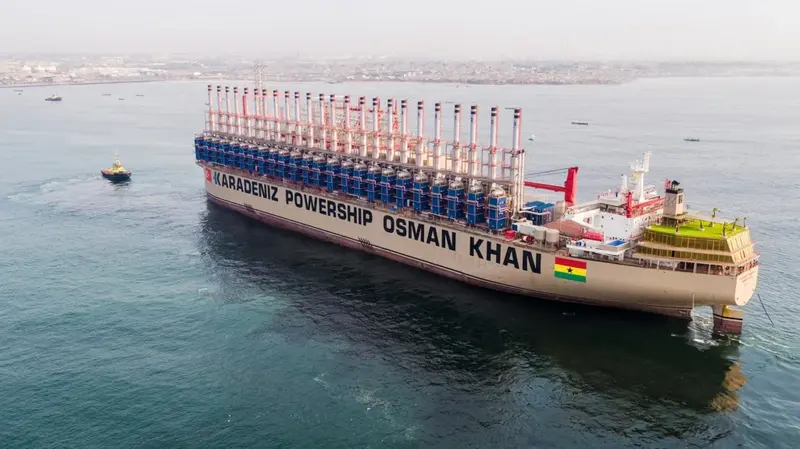
Government averts Karpowership shutdown with $400m debt deal
A major power crisis was narrowly avoided - but what deal was struck behind the scenes?
7h ago•2 min read