Beyond Beds: Reimagining Ghana's Healthcare System for a Growing Population
The Ghana Registered Nurses and Midwives Association (GRNMA) has once again raised a crucial alarm regarding the 'no-bed syndrome' plaguing our healthcare facilities. While their call for urgent action is undoubtedly warranted, addressing this crisis requires a more profound and multifaceted approach than simply adding more beds. We must reimagine our healthcare system, acknowledging the deep-rooted socio-cultural factors that contribute to its current state.
The 'no-bed syndrome' is not merely a logistical problem; it is a symptom of a system struggling to cope with a rapidly growing population, increased urbanization, and evolving healthcare needs. Focusing solely on bed capacity is akin to treating a fever with a cold compress while ignoring the underlying infection. We need to diagnose and treat the systemic ailments that lead to this chronic overcrowding.
One critical, often overlooked, aspect is the role of preventative healthcare and health education. In many Ghanaian communities, seeking medical attention is often delayed until conditions become severe, leading to a surge in emergency cases that overwhelm our hospitals. This delay is often rooted in traditional beliefs, fear of hospitals, or a reliance on traditional medicine as a first resort. While traditional medicine plays a significant role in our cultural heritage, it must be integrated with modern healthcare practices to ensure timely and appropriate interventions. The Ministry of Health, in collaboration with the Ministry of Chieftaincy and Religious Affairs, must launch culturally sensitive health education campaigns that promote early detection, preventative measures, and responsible healthcare seeking behavior. These campaigns should leverage the influence of traditional leaders, religious figures, and community health workers to disseminate accurate information and dispel harmful myths.
Furthermore, the current referral system is demonstrably broken. Too often, patients bypass primary healthcare facilities and community clinics, heading directly to tertiary hospitals like Korle-Bu for even minor ailments. This influx of patients places immense strain on these facilities, diverting resources from those with genuinely critical conditions. Strengthening the National Health Insurance Scheme (NHIS) is paramount. While the NHIS has significantly improved access to healthcare, it needs further refinement to incentivize the use of primary healthcare facilities. This could involve tiered co-payment systems, where patients who bypass primary care pay a higher fee at tertiary hospitals, or enhanced benefits for utilizing community clinics.
Beyond the NHIS, we must invest in and empower primary healthcare facilities. These clinics should be equipped with essential diagnostic tools, staffed with well-trained medical professionals, and adequately funded to provide quality care at the community level. Telemedicine also holds immense potential in Ghana, especially in rural areas where access to specialist care is limited. By leveraging technology, we can connect patients in remote communities with doctors and specialists in urban centers, reducing the need for unnecessary travel and easing the burden on tertiary hospitals.
Addressing the shortage of skilled personnel is equally crucial. Ghana's medical schools produce talented doctors and nurses, but many are drawn to opportunities abroad due to better pay and working conditions. We must create an environment that attracts and retains healthcare professionals. This includes improving salaries, providing adequate housing, investing in continuous professional development, and fostering a culture of respect and recognition. The 'Bonding' system, where medical graduates are required to serve in rural areas for a certain period, is a good starting point, but it needs to be strengthened and made more attractive. Perhaps offering loan forgiveness programs or additional incentives for those who choose to serve in underserved communities could be explored.
Finally, we must confront the systemic inefficiencies within our hospitals. Bureaucratic bottlenecks, inadequate inventory management, and poor coordination between departments all contribute to delays and overcrowding. Implementing electronic health records (EHRs) can streamline processes, improve communication, and reduce errors. Investing in training for hospital administrators and support staff is also essential to ensure efficient management of resources and patient flow.
The 'no-bed syndrome' is a complex problem with no easy solutions. While increasing bed capacity is undoubtedly necessary, it is merely a stopgap measure. To truly address this crisis, we must adopt a holistic approach that encompasses preventative healthcare, a strengthened referral system, empowered primary healthcare facilities, a motivated workforce, and efficient hospital management. We must move beyond simply treating the symptoms and address the underlying causes of this chronic ailment. It is time for a fundamental reimagining of Ghana's healthcare system, one that prioritizes prevention, accessibility, and quality care for all Ghanaians. Only then can we ensure that every Ghanaian has access to the healthcare they need, when they need it, without being turned away due to a lack of beds.
Keywords
Explore related tagsMore from GhanaFront Editorial
Related Stories
More from Health
The Silent Epidemic: Why Ghana's STI Crisis Is Destroying Women's Reproductive Futures
Ghana's women are at risk - and the reason why might shock you.
7h ago•2 min read
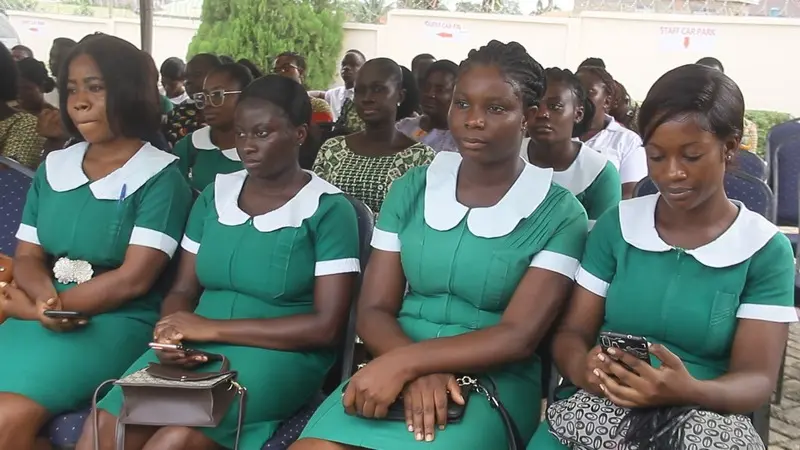
GRNMA calls for urgent action as 'no-bed syndrome' worsens across Ghana
GRNMA is sounding the alarm about 'no-bed syndrome' - what challenges are patients facing in accessing timely emergency care?
4h ago•2 min read
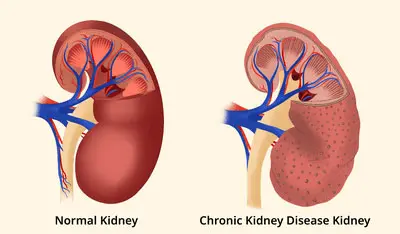
Editorial: Ghana Is Paying Billions To Treat A Disease It Could Have Prevented
Why is Ghana paying so much to treat a disease it could have prevented - and who is accountable for the delay?
15h ago•4 min read
Beyond the Vote: Why Ghana Must Turn the UN Reparations Resolution Into Concrete Action
Ghana now faces pressure to turn a UN resolution into something concrete, but how?
7h ago•2 min read