Africa-Led Climate Health Push Begins As Issifu Warns Of Emergency
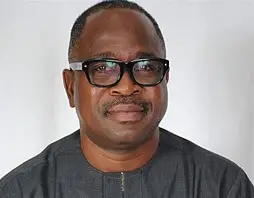
Image: GhanaFront Editorial
Africa's climate crisis has crossed firmly into public health territory, with rising heat, floods, drought and air pollution now worsening disease outbreaks, hunger and pressure on already stretched health systems, Minister of State for Climate Change and Sustainability Seidu Issifu has warned.
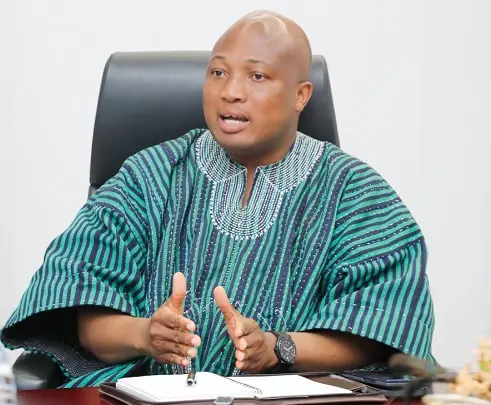
Speaking in Accra at the launch of the Climate and Health Science and Policy Consortiums in Africa, Mr Issifu said the continent must stop treating climate change as a distant environmental concern. He said the effects are already being felt in clinics, schools, homes, water systems and livelihoods, especially among vulnerable communities.
The launch was hosted by the Kwame Nkrumah University of Science and Technology in partnership with Wellcome Trust. It established two African-led consortiums focused on climate and health research, one led by KNUST for West Africa and another for Southern Africa.
"Climate change is no longer a projection. It is a present-day public health emergency," Mr Issifu said.
Climate shocks are already hitting health systems
Mr Issifu said recent flooding in Accra and other parts of Ghana showed how quickly climate events can turn into public health emergencies. Floods can contaminate water sources, displace families, interrupt education, damage livelihoods and disrupt healthcare delivery at the time communities need care most.
He said rising temperatures, poor air quality, floods and droughts are increasing disease risks and adding pressure to health systems that are already fragile in many parts of the continent. The burden is not abstract. It is being seen through outbreaks, malnutrition, unsafe water, displacement and reduced access to essential services.
Quoting World Health Organisation estimates, Mr Issifu said climate change could contribute to an additional 250,000 deaths globally each year between 2030 and 2050. Africa, he warned, is expected to carry the heaviest share of that burden, despite contributing least to the global emissions driving the crisis.
He called for deeper cooperation among governments, scientists and development partners to produce evidence that can guide practical policy. The minister said adaptation efforts will fall short if they are not driven by science and translated into decisions that protect people on the ground.
"We cannot adapt our way out of this without science, and we cannot act on science without policy," he said.
African scientists placed at the centre of the response
Mr Issifu described the new consortiums as a turning point for climate and health work on the continent because they place African researchers in the lead. He said global climate and health conversations have too often discussed Africa without giving African institutions the authority and resources to shape the evidence agenda.
The new initiative is expected to strengthen research and policymaking on the links between climate change and human health, with attention to conditions specific to African communities. For West Africa, KNUST will lead work aimed at building the evidence base needed for better decisions on climate risks, disease patterns, food security and health service planning.
Professor David Asamoah, Pro Vice-Chancellor of KNUST, said Africa remains among the regions most exposed to climate change even though it has contributed the least to global greenhouse gas emissions. He said the health risks are growing and the cost of delay is too high.
Prof Asamoah pointed to malaria as one of the major concerns. The disease claims nearly 600,000 lives each year, mostly among African children under five, and changing climatic conditions are increasingly influencing its spread and intensity.
He also noted that flooding contributes to cholera outbreaks, while drought deepens food insecurity and malnutrition. These pressures place additional strain on health facilities, workers and public health systems that must respond to multiple crises at once.
"The evidence is clear, the risks are growing, and the cost of inaction is far too high. But this moment also presents an opportunity, an opportunity for Africa to lead with knowledge, innovation, and coordinated action," Prof Asamoah said.
Research gaps leave policymakers with few tested solutions
Wellcome Trust's Head of Capacity and Field Development, Climate and Health, Modi Mwatsama, said recent climate-related events have underlined the urgency of strengthening climate and health research in Africa.
She cited communities in the United Kingdom experiencing their third heatwave of the summer, while Accra's recent floods claimed 12 lives and displaced about 55,000 residents. She said these events show that climate change affects lives, livelihoods, infrastructure, economies and public health at the same time.
Ms Mwatsama also warned that a confirmed El Nino weather pattern is expected to bring higher temperatures and reduced rainfall to Southern Africa, increased flooding in East Africa, and delayed rains with drought risks in West Africa.
She said the health sector cannot solve the problem alone. The response must involve public health agencies, water and sanitation authorities, urban planners, education leaders, finance officials, researchers and local communities.
- Flooding can increase cholera risks by contaminating water sources.
- Drought can worsen food insecurity, malnutrition and pressure on households.
- Heat and air pollution can intensify health risks for vulnerable groups.
- Weak climate and health research leaves policymakers without enough tested interventions.
Ms Mwatsama said climate and health research in sub-Saharan Africa remains limited, even as the risks facing communities continue to rise. That gap leaves governments with fewer tested solutions for designing interventions, targeting resources and protecting those most likely to be harmed by climate shocks.
The launch of the consortiums signals a push to close that gap by building African-led evidence for African conditions. For Ghana and the wider continent, the message from the Accra launch was direct: climate policy is now health policy, and delayed action will be measured in lives, livelihoods and overwhelmed systems.
More from GhanaFront Editorial
Related Stories
More from Health
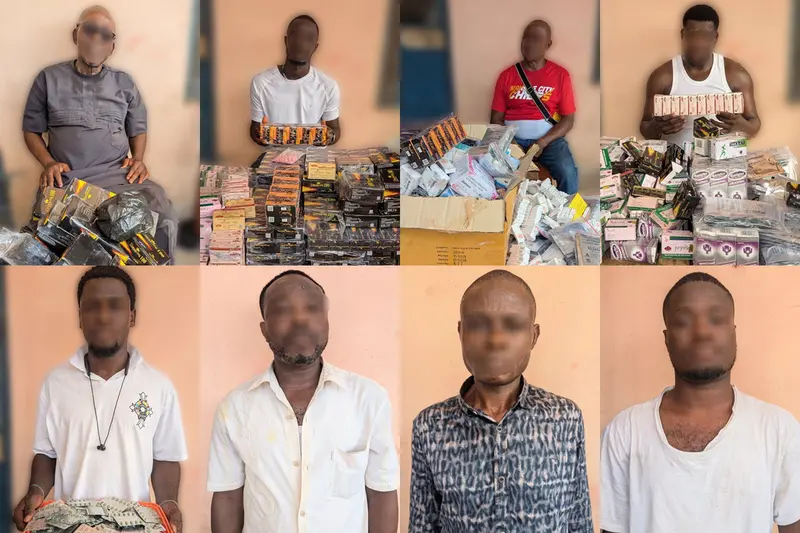
Police arrest eight in Okaishie operation targeting illicit drugs and medicines
What did officers seize in the Accra drug lane raid that has eight people in custody?
1d ago•2 min read