Ghana Risks Losing 20 Years of Sanitation Progress Without Dedicated Funding, Experts Warn
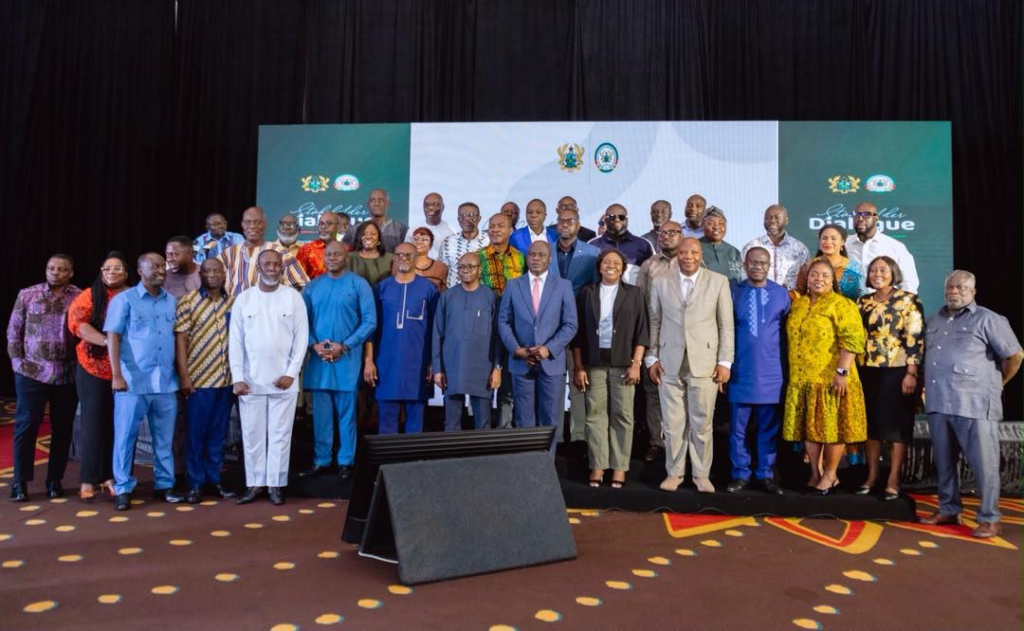
Image: GhanaFront Editorial
The Looming Threat to Environmental Progress
For the past twenty years, Ghana has positioned itself as a beacon of environmental progress within the West African sub-region. The construction of over fifty modern waste treatment and composting facilities has drastically altered the urban landscape, turning a once-daunting sanitation challenge into a showcase of technological capability and industrial ambition. However, the foundation of this progress is showing severe signs of financial strain. Without an immediate and reliable funding mechanism, the nation faces the terrifying prospect of reversing two decades of hard-won environmental gains.
This urgent warning was the focal point of a critical stakeholder dialogue convened on June 8, 2026, at the Kempinski Hotel Gold Coast City in Accra. Under the theme "Alleviating Waste Disposal Crisis in Greater Accra," the event brought together high-ranking government officials, sanitation experts, and private sector leaders. The collective mood was one of deep concern, unified by a single realization: the current financial model sustaining Ghana's sanitation infrastructure is fundamentally broken.
The Staggering Cost of Inadequate Financing
The economic and social toll of waste mismanagement is not merely a theoretical discussion for policymakers; it is a harsh reality that affects millions of citizens daily. Studies presented during the Accra dialogue revealed a startling figure: poor waste management drains over GH¢6.2 billion from the Ghanaian economy every single year. This astronomical cost manifests in devastating annual floods caused by choked drainage systems, surging healthcare expenditures due to sanitation-related diseases, and widespread environmental degradation that stifles local economies.
"We cannot treat sanitation as an optional expense. The GH¢6.2 billion lost annually is a direct tax on our development, paid through the destruction of property during floods and the loss of life to preventable diseases."
Currently, Ghana generates an estimated 4,400 tonnes of solid waste every day, culminating in nearly 1.6 million tonnes annually. While the national collection rate hovers around an impressive 80 percent, the uncollected 20 percent remains a potent threat to public health. With rapid urbanization sweeping across the Greater Accra Metropolitan Area (GAMA) and other major cities, waste generation is projected to skyrocket over the next decade, exponentially increasing the burden on already strained municipal systems.
The Failure of the Sanitation and Pollution Levy
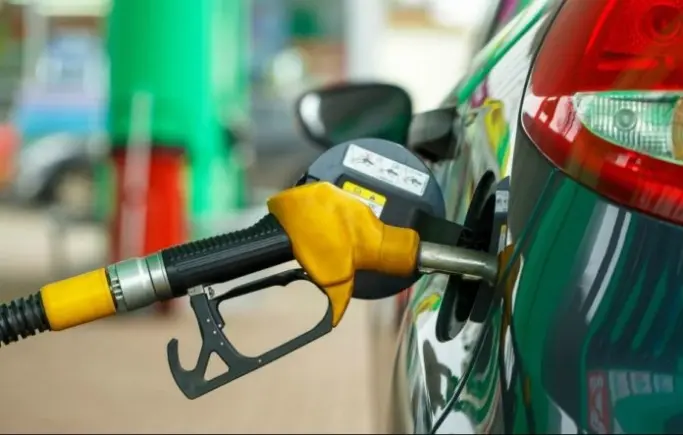
A central point of frustration among industry players is the apparent failure of the Sanitation and Pollution Levy. Originally introduced as a dedicated financial buffer integrated into fuel purchases, stakeholders noted that the levy has not functioned as intended to support vital waste management activities. This financial bottleneck has left private operators in a precarious position, severely hindering their operational capacities.
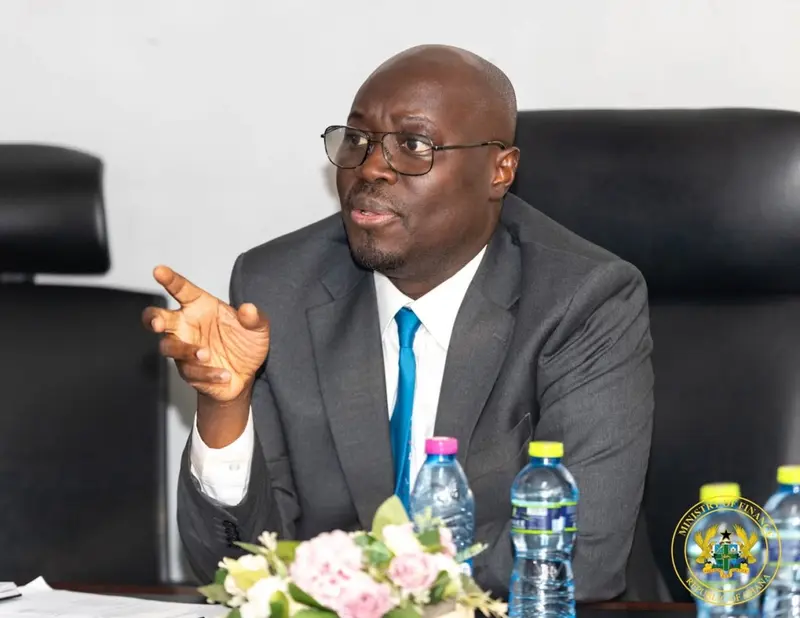
Addressing the gathering, the Minister for Local Government, Chieftaincy and Religious Affairs, Hon. Ahmed Ibrahim, delivered a sobering assessment of the situation. He emphasized that waste management is a fundamental public good that cannot be abandoned to the unpredictable whims of market forces.
The Minister outlined several critical points regarding the government's stance on sanitation financing:
- Sanitation services require robust state support, similar to healthcare and education, due to their direct impact on public well-being.
- Advanced waste infrastructure is useless without consistent operational funding.
- Delayed payments to service providers pose a severe risk to environmental stability.
- Discussions are currently active with the Ministry of Finance to secure dedicated funds to clear outstanding debts owed to private contractors.
Hon. Ibrahim drew parallels with nations like South Korea, illustrating that successful environmental management on a national scale always involves significant government subsidization. He warned that relying solely on citizens and private businesses to foot the bill is an unsustainable strategy.
Moving Beyond the Landfill Era
Another major shift discussed at the dialogue was the necessary departure from traditional landfill dependence. Dr. Joseph Siaw Agyepong, President of the Environmental Service Providers Association (ESPA) and Executive Chairman of the Jospong Group of Companies, challenged the status quo regarding waste disposal methods.
According to Dr. Agyepong, the landfill model is obsolete and fundamentally incapable of addressing modern urban waste volumes. He provided a stark example: all 17 engineered landfills built across the country with the assistance of international development partners reached their maximum capacity within a mere ten years of operation. This rapid exhaustion of space highlights the futility of simply burying the problem.
To combat this, sanitation leaders are advocating for a comprehensive transition to a circular economy. This approach prioritizes:
- Enhanced primary waste collection at the household level.
- The development of strategic transfer stations to streamline logistics.
- Aggressive recycling and resource recovery initiatives.
- Large-scale composting of organic waste for agricultural use.
- Utilizing landfills strictly as an absolute last resort for non-recoverable materials.
By viewing waste as a valuable resource rather than a nuisance to be hidden underground, Ghana can create secondary industries, generate employment, and drastically reduce the environmental footprint of its growing cities.
The Global Benchmark vs. Local Reality
The financial disparity in waste management becomes starkly apparent when comparing local realities to international standards. Data shared by Dr. Agyepong indicated that in comparable lower-middle-income countries, households typically pay between US$15 and US$20 per month for reliable waste collection services. In contrast, service providers in Ghana face significant challenges with low collection rates and insufficient tariff structures that barely cover operational costs, let alone allow for crucial infrastructure upgrades.
This dynamic forces a difficult conversation about cost recovery and citizen responsibility. While acknowledging the economic constraints faced by many Ghanaian households, industry experts argue that a paradigm shift is necessary. Citizens must recognize the intrinsic value of sanitation services, while the government must implement equitable and sustainable funding mechanisms to bridge the financial gap.
Protecting a Continental Success Story
Despite the looming financial crisis, the mood at the Kempinski Hotel was not entirely pessimistic. The dialogue also served as a celebration of Ghana's remarkable achievements in the sector. The nation has successfully transitioned from struggling with basic waste collection to becoming an exporter of sanitation expertise.
Today, Ghanaian waste management professionals and firms are actively supporting environmental initiatives in countries like Kenya and Ethiopia. This continental influence is the direct result of sustained investments in local capacity building and human resource development over the past twenty years. The sector has evolved into a major employer, providing thousands of jobs and fostering a new generation of highly skilled environmental engineers and technicians.
The Path Forward: A Collaborative Imperative
As the high-level dialogue concluded, the consensus was clear: the era of fragmented approaches to waste management is over. Alleviating the waste disposal crisis in Greater Accra and beyond demands an unprecedented level of collaboration. Government institutions, local municipal assemblies, private service providers, and the general public must unite under a shared vision of environmental stewardship.
The technological framework for a clean, sustainable Ghana already exists. The state-of-the-art facilities have been built, the local expertise has been cultivated, and the environmental benefits have been proven. However, technology and expertise are ultimately powerless without the financial fuel required to sustain them.
The challenge facing the nation is no longer about finding out how to manage waste; it is about finding the political will and innovative economic strategies to pay for it. Establishing a dedicated, reliable funding model is not just an administrative necessity; it is a critical investment in public health, economic resilience, and the future prosperity of the nation. If Ghana fails to secure this financing, the consequences will be measured not just in cedis lost, but in the tragic erosion of two decades of environmental triumph.
More from GhanaFront Editorial
Related Stories
More from Business & Economy

Amin Adam urges monthly disclosure of Sinking Fund as Ghana prepares for DDEP repayments
Why is the former finance minister demanding transparency on a fund that could shape Ghana's debt repayment strategy?
16h ago•