Accra Flood Claims Near GH¢500m Spark Calls For Insurance Tax Relief

Image: GhanaFront Editorial
The June 29 floods have pushed Ghana's insurance industry into a difficult test, with claims now estimated at nearly GH¢500 million and fresh calls emerging for government relief to keep insurers stable.
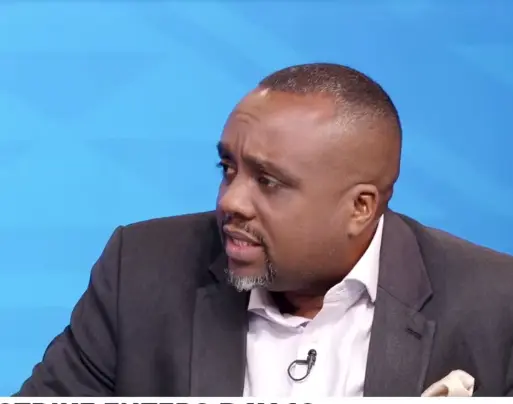
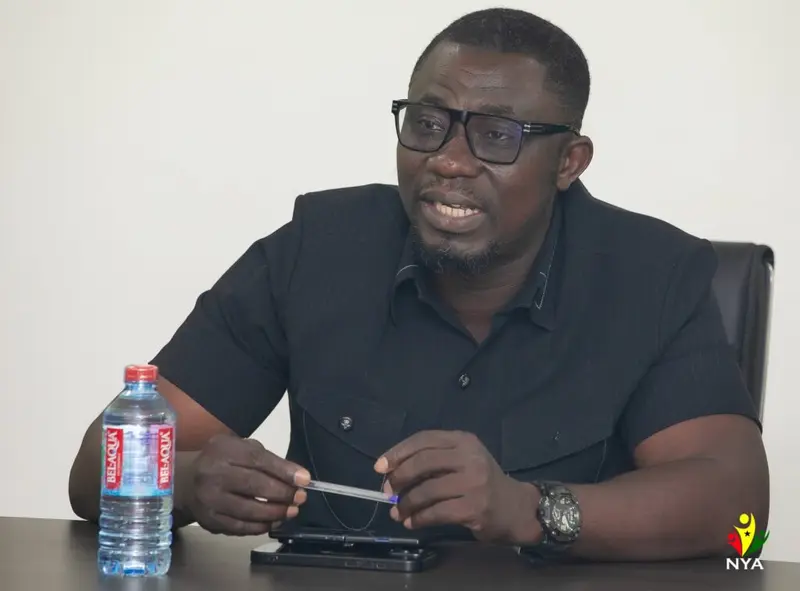
Dr Kingsley Agyemang, Member of Parliament for Abuakwa South and an insurance expert, says the pressure from the disaster should trigger immediate policy action, including a suspension of VAT on non-motor insurance products and targeted tax relief for insurance companies.
Speaking on JoyNews' The Pulse, Dr Agyemang said the scale of the claims could weaken the balance sheets of insurers at a time when households and businesses need the industry most. The floods killed several people and damaged property in parts of Accra and other communities, adding another layer of financial strain to victims already facing losses.
"There must be a waiver or suspension of the VAT on insurance products. That will definitely increase the uptake of insurance services," Dr Agyemang said.
Insurers Face Heavy Claims After June 29 Floods
Dr Agyemang said claims arising from the floods are approaching GH¢500 million, a figure he described as a major shock to the insurance sector. He warned that without support, the surge in payouts could affect profitability, weaken confidence and reduce the ability of insurers to respond to future disasters.
The Abuakwa South MP argued that insurance companies should not be left to absorb the burden alone, especially when disasters of this scale affect the wider economy. He said the consequences of industry weakness would not end with company balance sheets. Jobs, future disaster response, and public confidence in insurance could all suffer.
"We are estimating claims at almost GH¢500 million. That is going to balloon every insurance company's claims record. It is a very turbulent time in the insurance sector," he said.
He also called for some form of corporate tax waiver for insurance firms, saying a collapse or serious weakening of the sector would carry broad economic costs. According to him, if firms are pushed out of business, employment will be affected and Ghana's already low insurance penetration could decline further.
His proposal comes at a sensitive time for the industry. The government recently introduced VAT on non-motor insurance products, a policy that has raised concerns among insurers and clients. Dr Agyemang believes suspending the tax would reduce the cost of insurance, encourage more people to buy cover, and help expand the pool of policyholders.
Low Insurance Uptake Leaves Families Exposed
Beyond the immediate flood claims, Dr Agyemang said the disaster has exposed a deeper national problem: Ghana's low insurance uptake. He noted that insurance penetration in Ghana is around one per cent of GDP, far below the African average of three per cent and the global average of about six per cent.
That gap matters in moments of crisis. When homes, vehicles, businesses and personal property are destroyed, many victims are left to depend on family support, government relief or charity. Insurance, if widely used, can help transfer part of that financial shock away from individuals and businesses.
Dr Agyemang said Ghana cannot continue to treat insurance as optional or secondary. In his view, disasters are not rare events that can be managed only after they occur. They are recurring national risks that require financial planning, stronger institutions and wider public education.
"Insurance is one of the key mitigating tools in times of crisis. No one is immune to disasters. You could lose your home, your vehicle or even your life. That is why we must take insurance seriously as a country," he said.
He added that the current moment should force a broader conversation about how Ghana prepares for floods, fires and other emergencies. The MP said the country should not wait for a major disaster before debating the role of insurers, regulators and government in protecting citizens.
Key issues raised by Dr Agyemang include:
- The estimated GH¢500 million in insurance claims linked to the June 29 floods
- The proposed suspension of VAT on non-motor insurance products
- Possible corporate tax relief for insurance companies under pressure
- Ghana's insurance penetration rate of about one per cent of GDP
- The need for a statutory disaster risk management fund
Renewed Push For Disaster Risk Fund
Dr Agyemang also renewed his call for Ghana to establish a statutory National Disaster Risk Management Fund. He said such a fund would help support victims, finance prevention work and strengthen national response systems before disasters become overwhelming.
According to him, Ghana's current approach often leaves the state appearing helpless after major disasters. He argued that a structured fund could provide predictable financing for relief and mitigation rather than relying on ad hoc responses after lives and property have already been lost.
"I have persistently called for a disaster risk management regime for this country. We don't have one. That is why we often look helpless in times of disaster. If we leave insurance firms alone to deal with these events, they could become overwhelmed," he stated.
The call comes as the government intensifies its response to the aftermath of the June 29 floods. President John Mahama, speaking at a meeting of the National Security Council, said the government was working to reduce the impact of flooding. He also noted that floods can be managed but cannot be completely eliminated because they are natural disasters.
Government has since established a Post-Flood Mitigation Task Force to coordinate relief work and has announced a two-day nationwide clean-up exercise. The exercise is expected to focus on desilting drains and reducing flood risks as the rainy season continues.
For Dr Agyemang, the floods should be treated as a warning. Relief after disaster is necessary, but Ghana's bigger challenge is building systems that reduce vulnerability before the next flood hits. That means better drainage, stronger disaster financing, wider insurance coverage and public policies that make protection affordable.
The pressure on insurers may be immediate, but the wider lesson is national. Ghana's disaster response cannot depend only on emergency meetings and post-flood clean-ups. It needs a financial safety net strong enough to protect households, businesses and the insurance sector when the next crisis arrives.
More from GhanaFront Editorial
Related Stories
More from Politics
Akufo-Addo congratulates newly elected NPP executives, calls for unity ahead of 2028
What did Akufo-Addo tell the NPP after its Kumasi conference, and why does it matter for 2028?
2d ago•