Ablakwa Presses South Africa Over Viral Attacks on Ghanaians
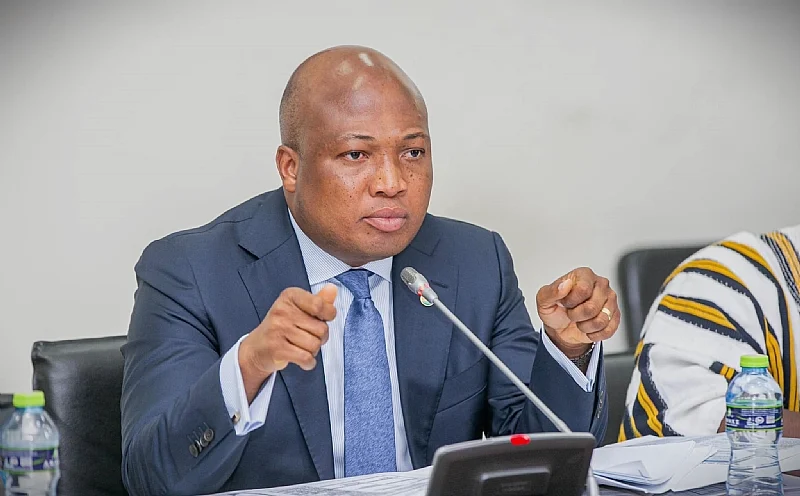
Image: GhanaFront Editorial
Ghana has moved swiftly to engage South African authorities after disturbing videos circulating online appeared to show Ghanaian nationals being attacked in xenophobic incidents.
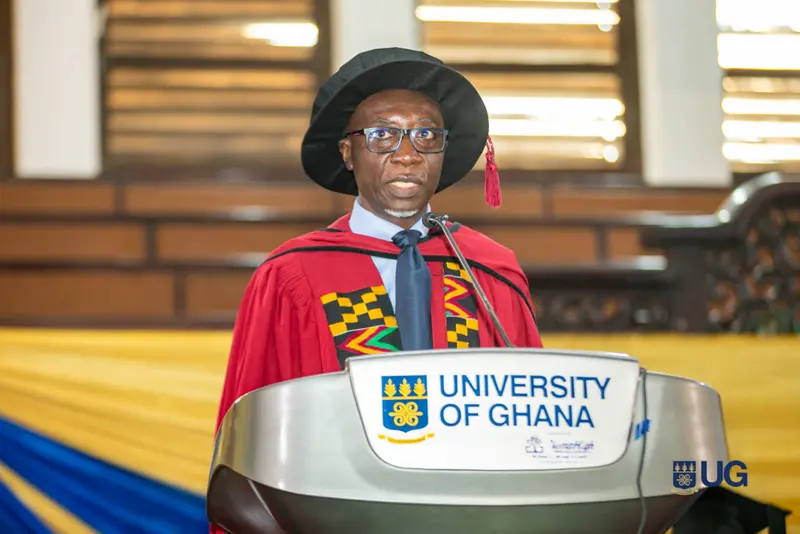
Foreign Affairs Minister Samuel Okudzeto Ablakwa said he held urgent diplomatic discussions with South Africa’s Minister for International Relations and Cooperation, Ronald Lamola, as Accra sought clarity, accountability and immediate protection for affected citizens.
"No Ghanaian life has been lost. We urge calm and confidence in our collective capacity to protect Ghanaians," Mr Ablakwa said.
The intervention places the issue at the centre of official engagement between Accra and Pretoria at a sensitive time, with anxiety rising among Ghanaians at home and abroad over the safety of fellow nationals in South Africa.
Accra pushes for urgent action
According to Mr Ablakwa, he personally initiated a telephone call with Mr Lamola on Wednesday, April 22, 2026, after the videos gained widespread attention. The Ghanaian minister described the footage as deeply troubling and said the government was treating the matter with urgency.
His account of the conversation suggested that South African authorities are taking the incident seriously. He said his counterpart expressed empathy for the victims and gave assurances that full-scale investigations would be launched into the attacks captured in the viral clips.
That commitment matters. Xenophobic violence in South Africa has repeatedly triggered fear across the continent, particularly among migrants and traders from other African countries. Each new allegation quickly becomes more than a local law-and-order issue. It becomes a test of state protection, diplomacy and the credibility of Pan-African solidarity.
Mr Ablakwa said South Africa was also expected to brief African ambassadors later in the day, signalling that Pretoria intends to engage the matter at a broader diplomatic level rather than treat it as an isolated social media episode.
For Ghana, that briefing is likely to be an important next step. It creates a formal avenue for updates, fact-checking and collective pressure from African missions seeking guarantees for their citizens.
- Ghana initiated direct ministerial contact with South Africa
- South Africa reportedly promised full-scale investigations
- African ambassadors were expected to receive a briefing later in the day
- Ghana’s mission in Pretoria is actively involved in the response
Diplomatic mission locates main victim
One of the most significant updates from the Foreign Affairs Ministry is that Ghanaian officials in South Africa have already located the main victim seen in the viral footage. Mr Ablakwa said the individual has been reached by staff from Ghana’s diplomatic mission and is receiving consular support.
That detail shifts the story from speculation to verifiable state action. In fast-moving incidents driven by online footage, governments often struggle to separate rumour from fact. By confirming that the main victim has been found and is doing well, the ministry has provided the first concrete reassurance in a situation that could easily have spiralled into panic.
"I am gladdened that so far, colleagues in our diplomatic mission have located the main victim in the viral video and are offering consular assistance. He is doing very well," Mr Ablakwa said.
The minister also disclosed that he has been in constant contact since the previous day with Ghana’s High Commissioner to South Africa, Benjamin Quarshie, to coordinate the country’s response. That ongoing contact suggests the issue is being handled through both political and diplomatic channels, with officials monitoring developments on the ground while ministers manage the interstate dimension.
Consular assistance is often the first meaningful line of protection for citizens caught in crises abroad. It can involve welfare checks, liaison with local authorities, medical support, documentation help, temporary shelter coordination and direct intervention where nationals face intimidation or legal vulnerability.
In moments like this, citizens do not judge diplomacy by speeches alone. They judge it by whether someone picks up the phone, shows up, and makes sure the vulnerable are not abandoned. Ghana’s early response appears to recognise exactly that.
Xenophobic tensions remain a continental concern
The latest alarm comes against a difficult backdrop. South Africa has, over the years, experienced periodic outbreaks of xenophobic violence directed at foreign nationals, especially migrants from other African countries. Analysts and observers have frequently linked such attacks to economic frustration, unemployment and competition within the informal economy.
Those explanations do not excuse the violence. They simply help explain why the problem has proved stubborn. When livelihoods tighten and politics fail to absorb public frustration responsibly, migrants are too often turned into convenient targets.
Previous incidents have provoked outrage well beyond South Africa’s borders, drawing diplomatic protests from countries including Ghana and Nigeria and criticism from regional institutions such as the African Union. The pattern is painfully familiar: shocking footage emerges, public anger rises, governments condemn the violence, investigations are promised, and yet concerns about recurrence remain.
The current case has revived that uneasy history. Even as authorities work to verify details from the latest videos, the emotional weight of past episodes means public concern is already intense. For many Ghanaians, this is not just about one viral clip. It is about whether African governments are learning enough from repeated warnings.
- Viral footage raised fresh fears of xenophobic targeting
- Ghana responded through direct diplomatic engagement
- South Africa signalled investigations and regional briefing
- The incident reopened wider concerns about recurring attacks on African migrants
Mr Ablakwa’s closing message reflected that broader tension. He reaffirmed that the Mahama administration remains committed to the welfare and safety of Ghanaians everywhere, not only within the country’s borders. He also urged the public not to allow the actions of violent elements to destroy the larger ideal of African unity.
"May these regrettable incidents never quench our Pan-African love and solidarity for each other. The overwhelming majority of Africans are united and share an unbreakable bond -- we shall not be divided by the hatred of a few fringe elements," he said.
That is the right sentiment, but it must be matched by durable action. Pan-Africanism cannot survive as a slogan repeated after every attack. It has to be defended through institutions, policing, diplomacy and political honesty. If African citizens cannot move, trade and live across the continent without fear of mob violence, then the promise of continental brotherhood remains badly compromised.
For now, Ghana’s position is clear: protect the victims, establish the facts, press for accountability and keep citizens informed. The reassurance that no Ghanaian life has been lost will calm some of the immediate fear. But the deeper issue is not resolved. Until xenophobic violence stops recurring, every new video will reopen the same wound.
What happens next in South Africa’s investigation will therefore matter beyond this single case. It will signal whether official concern leads to real consequences, and whether African states are prepared to confront a dangerous cycle that has lingered for far too long.
More from GhanaFront Editorial
Related Stories
More from Technology

NCA awards 700MHz spectrum to MTN Ghana for US$109.9m
MTN outbids rivals for key spectrum, but what happens next in the 5G race?
1d ago•2 min read