Taiwan Trip Cancellation Shows China’s Grip on African Airspace
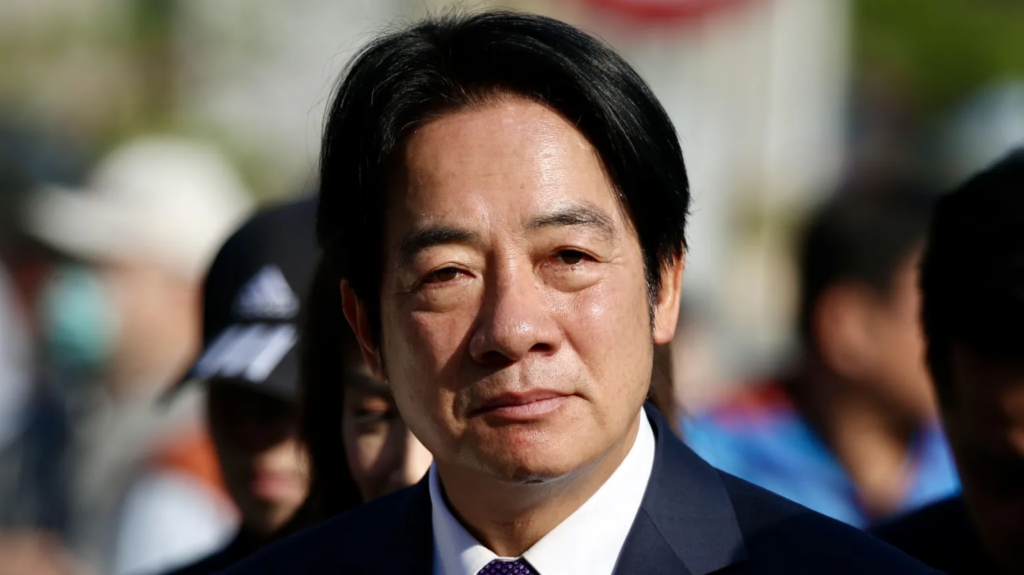
Image: GhanaFront Editorial
Taiwan President Lai Ching-te has called off his planned trip to Eswatini after three African island states withdrew flight clearance for his aircraft, a move Taipei says followed pressure from Beijing. The cancelled trip marks a striking escalation in the diplomatic squeeze surrounding Taiwan and underlines how China’s foreign policy muscle now reaches deep into aviation routes, state protocol and symbolic state visits.
Lai had been scheduled to visit Eswatini from April 22 to April 26 to join events marking the 40th anniversary of King Mswati III’s accession to the throne and the king’s birthday. Eswatini remains Taiwan’s only diplomatic ally on the African continent and one of just 12 countries globally that still maintain official ties with Taipei.
According to Taiwanese officials, Seychelles, Mauritius and Madagascar revoked overflight permits unexpectedly and without prior notice. Taipei says the reversals came after intense pressure and economic coercion from China. Beijing has rejected that accusation, but publicly praised the decisions taken by the three countries.
Trip cancellation exposes the reach of one-China diplomacy
The cancellation is notable because it is the first publicly known case of a Taiwanese president being forced to abandon an overseas trip after flight permissions were withdrawn. That detail matters. Taiwan’s international space is already narrow, but this episode shows that even transit access through third countries can become a contested battleground.
China’s position is rooted in the one-China principle, under which Beijing claims sovereignty over Taiwan and rejects any treatment of the island as a separate state. Taiwan, however, operates with its own government and democratic institutions, and many of its people regard it as sovereign in practice and identity.
"No amount of threats or coercion will shake Taiwan’s resolve to engage with the world," Lai said in a statement posted on X.
Lai also said China’s actions exposed the danger authoritarian regimes pose to the international order. The language was direct and deliberate. It framed the row not simply as a Taiwan-China dispute, but as a wider test of whether powerful states can use intimidation to shut others out of global engagement.
For Beijing, the response was equally clear. At a press briefing on Wednesday, a spokesperson for the Taiwan Affairs Office of the State Council said China appreciated the position and actions of the relevant countries in upholding the one-China principle. China’s foreign ministry went further, saying the so-called President of the Republic of China no longer exists in the world -- a dismissal of Lai’s official title and a restatement of Beijing’s refusal to recognise Taiwan’s presidency as legitimate on the world stage.
African states caught in a high-stakes diplomatic contest
Seychelles and Madagascar indicated that their decisions were based on non-recognition of Taiwan, according to Reuters. That explanation fits established diplomatic practice, but it does not erase the political weight of the timing. Taiwan says the approvals were withdrawn suddenly, which raises fresh questions about how smaller states navigate pressure when major powers clash over recognition and influence.
The three states named in the dispute -- Seychelles, Mauritius and Madagascar -- sit along strategic Indian Ocean routes. Their airspace and airports are not just technical considerations. They are gateways that can enable or obstruct high-level travel. In this case, that leverage appears to have been enough to stop a presidential visit altogether.
This is where the significance broadens beyond protocol. The dispute reveals several hard truths about today’s diplomacy:
- Recognition politics can shape even the logistics of air travel.
- Smaller states often make foreign policy decisions under competing external pressures.
- Taiwan’s diplomatic partnerships remain vulnerable not only at destination points, but also along transit corridors.
- China is prepared to defend its position aggressively, including through indirect restrictions.
For Eswatini, the episode is awkward but revealing. The southern African kingdom said it regretted Lai’s inability to attend, while insisting that the disruption would not alter the longstanding bilateral relationship between the two governments. That statement was an attempt to preserve the symbolism of the partnership even as the visit itself collapsed.
Taiwan has since said a special envoy will attend the anniversary celebrations on Lai’s behalf. That preserves official representation, but it is not the same as a presidential presence. In diplomacy, absence speaks loudly.
Why the cancelled visit matters far beyond Eswatini
The real significance of this story lies in what it says about Taiwan’s shrinking room to manoeuvre. Official allies are few. International recognition is limited. China’s economic weight gives it a strong hand in persuading or pressuring countries to avoid any move that might imply support for Taiwan’s statehood. This latest episode shows that Beijing does not need to change a country’s formal diplomatic position to score a win. It only needs to make normal engagement harder, costlier or more politically uncomfortable.
That is why the overflight issue matters so much. It transforms geography into leverage. A trip that should have been a routine exercise in allied diplomacy instead became a reminder that Taiwan’s access to the world can be interrupted at multiple points by governments unwilling to cross Beijing.
The reaction from some American figures shows the dispute is already feeding into a wider strategic narrative. The US House Foreign Affairs Committee Majority account said the three countries had stood with Taiwan against blatant coercion. Senator Ted Cruz also criticised Mauritius, accusing it of aligning with the Chinese Communist Party. Those comments reflect Washington’s broader concern about China’s expanding diplomatic influence, though they are unlikely to change the underlying calculations of the states involved.
For African countries, the incident lands in sensitive territory. Many states on the continent maintain deepening economic ties with China, which remains a major investor, lender and trading partner across infrastructure, energy and commerce. In that context, decisions involving Taiwan are rarely isolated acts of principle alone. They are tied to broader calculations about risk, reward and political consequence.
- Taiwan wanted to reinforce ties with its sole African ally.
- Three African states withdrew flight clearance.
- Taipei blamed Chinese pressure and economic coercion.
- Beijing denied coercion but welcomed the outcome.
- The result was a cancelled presidential trip and a fresh reminder of Taiwan’s diplomatic vulnerability.
The episode may not alter the formal status of Taiwan or Eswatini overnight, but it adds another layer to a pattern the world can no longer ignore. China is not merely contesting Taiwan’s flags, embassies and formal recognition. It is contesting movement, visibility and access. That strategy is proving effective.
For Taiwan, the message is blunt: even when an ally is ready to receive its president, the journey itself can now be blocked. For the rest of the world, the lesson is just as sharp. In the contest over Taiwan’s place in international affairs, the battlefield is no longer limited to summits and statements. It now extends into the skies above the Indian Ocean.
More from GhanaFront Editorial
Related Stories
More from Technology

NCA awards 700MHz spectrum to MTN Ghana for US$109.9m
MTN outbids rivals for key spectrum, but what happens next in the 5G race?
1d ago•2 min read