Yazz is expanding its outreach through a high school engagement campaign - but what issues will it address?
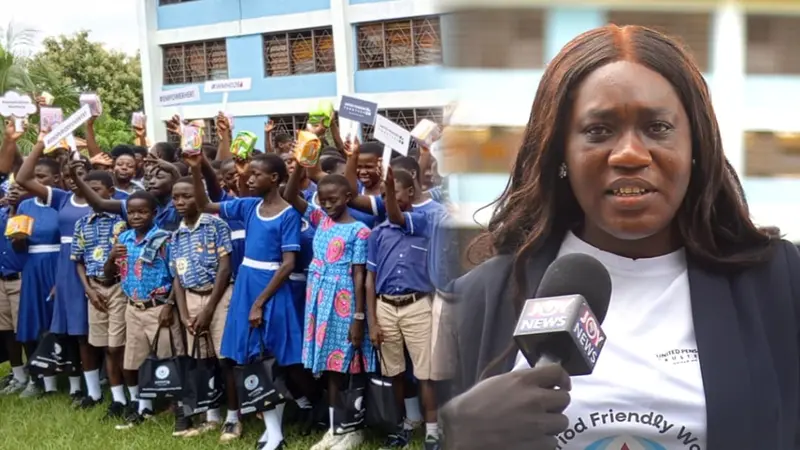
Yazz Personal Care Products is intensifying its fight against period poverty with a nationwide school outreach campaign. This initiative aims to promote menstrual hygiene among young girls- but what impact will it have?
Ghana's health and economic future could hinge on a critical tax overhaul-discover why experts are pushing for change.
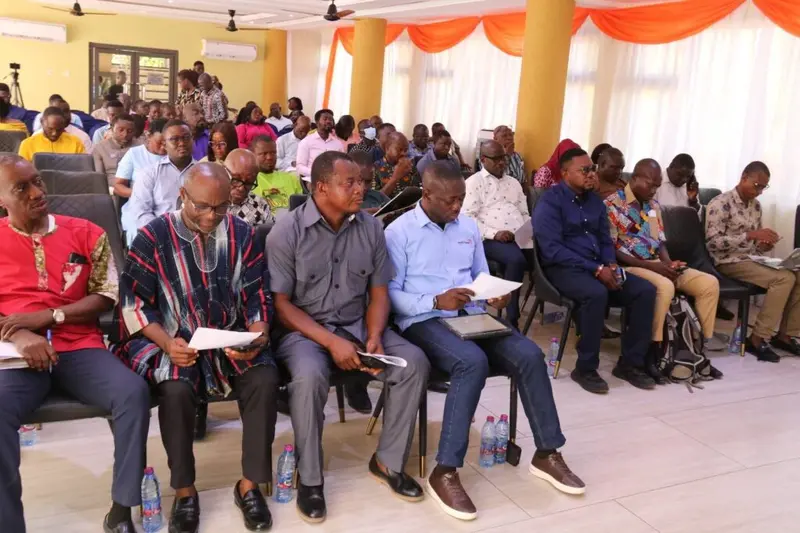
VAST Ghana has advocated for a comprehensive review of Ghana's excise tax framework, specifically targeting tobacco, alcohol, and sugar-sweetened beverages. This initiative aims to address the increasing burden of non-communicable diseases and enhance domestic revenue mobilization.
A system failure, or just a few bad staff? One doctor says Ghana's healthcare crisis goes much deeper - here's why.
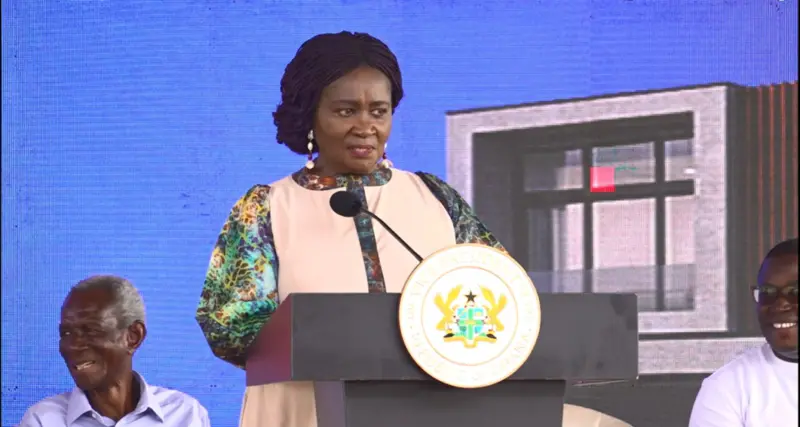
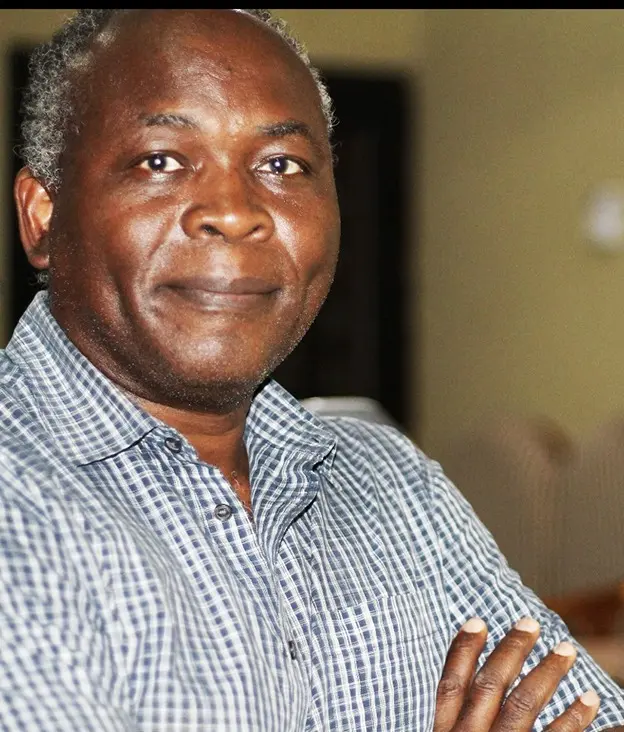
Dr. Arthur Kennedy has strongly criticised the report on Charles Amissah's death, arguing that it misses the larger picture. He suggests Ghana's healthcare issues stem from systemic failures - but what exactly needs fixing?
United Pension Trustees is advocating for an end to menstruation stigma- but what impact will it have?
United Pension Trustees is working to eliminate the stigma around menstruation- collaborating with Nana Awuah-Darko Ampem II to donate sanitary products and hold seminars. The initiative hopes to address menstrual poverty and equity in underserved communities- but what challenges remain?
Despite progress, TB continues to pose a serious public health challenge in Europe - but what are the key concerns?
A new WHO report indicates that tuberculosis remains a major health threat in Europe. The report highlights a worrying rise in drug-resistant TB - and experts warn that the region is not on track to meet global targets.
The Ministry of Health claims to have a plan to solve the 'no-bed syndrome' - but will it work?
The Ministry of Health is responding to the hospital bed shortage crisis in Ghana - promising a new system to monitor bed availability. The ministry claims that improvements are on the way, but can they deliver?
The WHO warns a vaccine could take nine months - what challenges are health workers facing right now?
The WHO is warning that a vaccine against the Bundibugyo species of Ebola could take nine months to develop- as the death toll rises. The organization says that the rarity of this species means there are fewer tools to stop it.