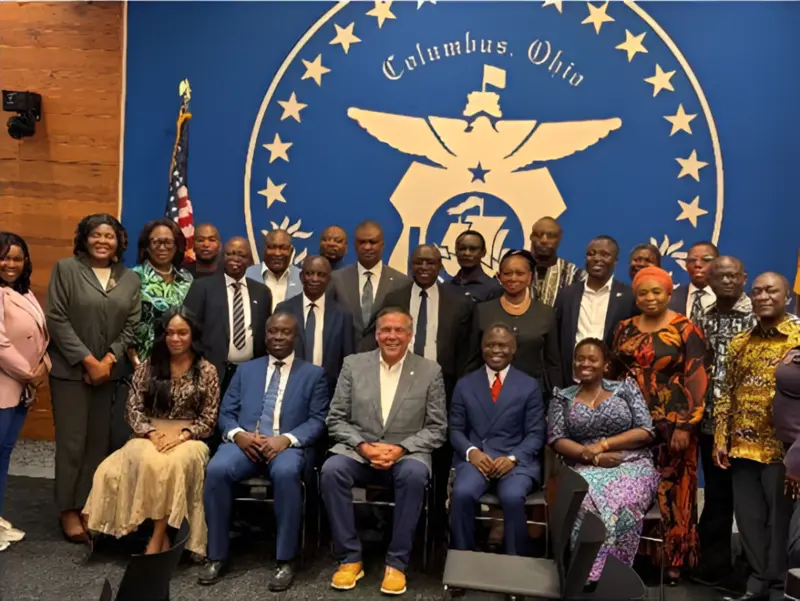
World Bank warns skills shortage could jeopardise employment for 1.2 billion young people
The global landscape of work is in constant flux, a reality felt acutely in developing nations like Ghana. International organizations and development finance institutions are increasingly focused on the future of work, particularly as it relates to the next generation entering the labor force. This concern is amplified by the rapid pace of technological advancement, globalization, and evolving economic structures, all of which demand a workforce equipped with adaptable and relevant skills. The conversation often involves high-level officials traveling to various countries to engage with local stakeholders and offer insights on navigating these complex challenges.
Ghana's economic trajectory is heavily reliant on its ability to harness the potential of its youthful population. For decades, the nation has strived to improve its educational system, from basic schooling to tertiary institutions, with the goal of producing graduates ready to contribute to national development. However, a persistent challenge remains: the alignment of educational curricula with the actual needs of the job market. There's a growing recognition that traditional academic qualifications alone may not be sufficient to secure meaningful employment in a rapidly changing world. The emphasis is shifting towards acquiring practical skills, digital literacy, and entrepreneurial capabilities. This is particularly crucial as Ghana seeks to diversify its economy beyond traditional sectors like agriculture and resource extraction, and embrace opportunities in technology, manufacturing, and services. The government, private sector, and educational institutions are all grappling with how to best address this skills gap and ensure that young Ghanaians are prepared for the jobs of tomorrow.
Several key players are deeply invested in shaping the future of Ghana's workforce. The Ministry of Education plays a crucial role in reforming curricula and promoting vocational training. The Ministry of Employment and Labour Relations is tasked with creating an enabling environment for job creation and skills development. Private sector businesses, both local and international, are increasingly vocal about the need for a skilled workforce to drive productivity and innovation. International organizations, like the World Bank, offer financial and technical assistance to support Ghana's efforts in education and skills development. Tensions can arise from differing perspectives on the most effective strategies to address the skills gap, with debates often centering on the balance between academic rigor and practical training, the role of technology in education, and the need for greater collaboration between educational institutions and industry. What's at stake is nothing less than Ghana's ability to achieve sustainable economic growth, reduce unemployment, and ensure a prosperous future for its citizens.
The central question revolves around how Ghana can effectively bridge the gap between its education system and the demands of the modern labor market. What specific strategies will prove most successful in equipping young people with the skills they need to thrive in a rapidly evolving economy? How can the government, private sector, and educational institutions work together to create a more responsive and relevant education system? And ultimately, how can Ghana ensure that its youthful population can access meaningful employment opportunities and contribute to the nation's economic development? These are the critical questions that will shape the future of Ghana's workforce and its overall prosperity.
Quick Summary
The World Bank Group has issued a warning regarding the future of employment for young people in developing nations. They suggest a potential crisis is brewing as education may not be keeping pace - leaving many unprepared.
Summary - read the full story for complete context.

Image: MyJoyOnline
GhanaFront aggregates news from trusted sources. Click to read the original article.
Keywords
Explore related tagsMore from MyJoyOnline
Related Stories
More from Business & Economy

IEAG calls for urgent intervention to decongest ports
Port congestion is worsening - will a high-level government intervention prevent a full-blown economic crisis?
17h ago•2 min read