World Bank urges skills revolution to unlock jobs for Africa's youth
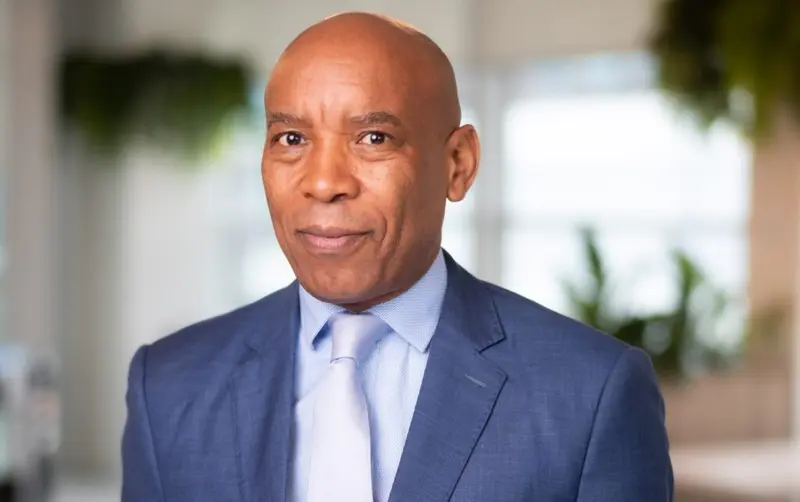
The University of Ghana recently hosted a high-profile lecture, drawing attendees from academia, government, and the private sector. The speaker, a prominent figure in global finance and development, brought with them years of experience navigating complex economic landscapes. This individual’s presence underscores the growing concern surrounding the preparedness of Ghana's youth for the evolving demands of the job market. The discussion centered on the critical intersection of education, skills development, and employment opportunities, particularly within the context of a rapidly changing global economy.
Ghana, like many African nations, is grappling with the challenge of translating its demographic dividend - a young and growing population - into tangible economic prosperity. Historically, the Ghanaian education system has faced criticisms regarding its ability to equip graduates with the practical skills and knowledge needed to thrive in the modern workforce. There's a persistent debate about the relevance of university curricula and the need for greater alignment with industry demands. This is further complicated by global trends such as technological advancements, automation, and the push for a green economy, all of which are reshaping the nature of work and requiring new skill sets. The situation is particularly acute given the limited number of formal sector jobs available compared to the number of young people entering the labor market each year. This creates a scenario where many graduates are either unemployed or underemployed, hindering their potential to contribute to the nation's economic growth.
The key players in this narrative include the Ghanaian government, tasked with formulating and implementing effective education and employment policies; universities and other tertiary institutions, responsible for designing and delivering relevant curricula; and the private sector, which ultimately provides the jobs and dictates the skills required. Tensions arise from differing perspectives on the root causes of the skills gap and the most effective strategies for addressing it. Some argue for a greater emphasis on vocational training and technical skills, while others advocate for a more holistic approach that combines academic knowledge with practical experience and entrepreneurial skills. The stakes are high, as the future economic prosperity of Ghana hinges on its ability to harness the potential of its youth. Failure to adequately prepare young people for the job market could lead to increased unemployment, social unrest, and a missed opportunity for sustainable development.
Several open questions remain that will likely drive continued discussion and debate. How can universities effectively collaborate with industry to ensure that curricula are aligned with the needs of employers? What are the most effective strategies for promoting entrepreneurship and self-employment among young people? How can the government create an enabling environment for job creation, particularly in emerging sectors such as agribusiness, digital services, and green energy? And, perhaps most importantly, how can Ghana ensure that its education system equips all young people, regardless of their socioeconomic background, with the skills and knowledge they need to succeed in a rapidly changing world? The answers to these questions will determine whether Ghana can unlock the full potential of its youth and secure a prosperous future for generations to come.
Quick Summary
The World Bank is concerned about the readiness of African youth for the job market. They are pushing for a skills revolution, but a growing mismatch looms - what does this mean for the continent's future?
Summary - read the full story for complete context.

Image: Joy Business
GhanaFront aggregates news from trusted sources. Click to read the original article.
Keywords
Explore related tagsMore from Joy Business
Related Stories
More from Business & Economy

No two-phone law - GRA clarifies Customs rules for travellers
What really determines whether your phones attract Customs duty at Ghana's borders?
1d ago•3 min read