World Bank says Nigerian economy to grow in 2026 but Iran war lifts inflation
The World Bank said on Tuesday that Nigeria's economy is "resilient and set to grow in the first half of 2026" despite the Iran war. The World Bank added that rising fuel costs and persistently high inflation risk squeezing incomes and slowing poverty reduction. World Bank Nigeria lead economist Fiseha Haile said that overall business activity has been expanding over the past few months, suggesting the impact on growth has been relatively contained, but the shock is still being felt through higher inflation.
Business activity remains in expansion territory, with the U.S./Israel-Iran conflict so far lifting prices but leaving output largely intact. Inflation eased sharply to 15.06% in February from around 33% in December 2024, but remains high compared with regional peers and has come under renewed pressure since the Middle East conflict began. Fuel prices have risen by more than 50% during the Iran war, feeding into transport, food, and production costs. Nigeria's fiscal deficit widened slightly to 3.1% of GDP in 2025, but remains lower than in pre-reform years. The debt-to-GDP ratio fell for the first time in a decade.
The World Bank forecasts economic growth of about 4.2% for 2026 and urged authorities to save windfalls from higher oil prices, keep monetary policy tight, and avoid blanket subsidies to rein in inflation. Nigeria's outcomes are among the world's worst, with 110 deaths per 1,000 children before age five, roughly 40% stunted, and more than half failing to meet developmental milestones before school.
Quick Summary
The World Bank has released a report on Nigeria's economic outlook amid global uncertainty. Rising fuel costs and inflation are threatening to impact incomes - but what does this mean for the average Nigerian?
Summary - read the full story for complete context.
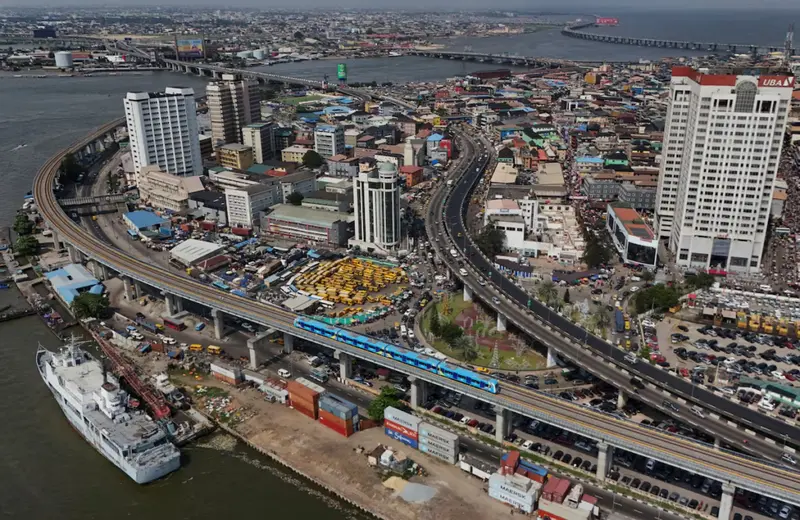
Image: MyJoyOnline
GhanaFront aggregates news from trusted sources. Click to read the original article.
Keywords
Explore related tagsMore from MyJoyOnline
Related Stories
More from Business & Economy

Multimedia Group congratulates Fidelity Bank on 20 years of excellence and impact
What did Multimedia Group say about Fidelity Bank's two decades of impact and what lies ahead?
22h ago•