World Bank pledges $300m to support Ghana's secondary education reform programme
The Ghanaian education sector has long been a focal point for both government and international development partners. Discussions surrounding curriculum reform, teacher training, and access to quality education are perennial topics in national discourse. The ambition to equip Ghana's youth with the skills necessary to thrive in a rapidly changing global landscape is a shared goal, but the path to achieving it is often debated and requires significant investment. At the heart of these discussions are the needs of students transitioning from basic education to secondary and, ultimately, to the workforce.
Ghana's education system has undergone numerous transformations over the years, each aimed at addressing specific challenges and improving outcomes. From structural adjustments to curriculum overhauls, the goal has consistently been to create a system that is both relevant and effective. However, persistent issues such as unequal access to resources, disparities in teacher quality, and a disconnect between academic training and job market demands continue to pose significant hurdles. The emphasis on Science, Technology, Engineering, and Mathematics (STEM) education has grown, reflecting a broader recognition of the importance of these fields for national development. Furthermore, the push for vocational and technical training is gaining momentum, seeking to provide alternative pathways for students who may not pursue traditional academic routes. The need for innovative approaches and sustainable funding models remains critical to ensure long-term success.
Several key players are deeply invested in the future of Ghana's education system. The Ministry of Education, responsible for policy formulation and implementation, works closely with various stakeholders, including teacher unions, educational institutions, and international organizations. The World Bank, a long-standing partner in Ghana's development efforts, plays a crucial role in providing financial and technical assistance. Tensions often arise around issues of resource allocation, curriculum design, and the pace of reform. The stakes are high, as the success of the education system directly impacts the country's economic competitiveness, social mobility, and overall development trajectory. A well-educated and skilled workforce is essential for attracting investment, driving innovation, and addressing the challenges of the 21st century.
The future of Ghana's secondary education system hinges on several open questions. How will the government effectively address the persistent challenges of inequality and access? What innovative strategies will be employed to improve teacher quality and motivation? How will the curriculum be adapted to better align with the evolving demands of the job market? And, perhaps most importantly, how will the various stakeholders collaborate to ensure the successful implementation of reforms and the sustainable financing of the education sector? These are the questions that will shape the future of Ghana's youth and the nation as a whole.
Quick Summary
The World Bank and the Ghanaian government are collaborating on a new initiative to transform secondary education. This partnership aims to modernise the education system - but what specific changes are on the horizon?
Summary - read the full story for complete context.
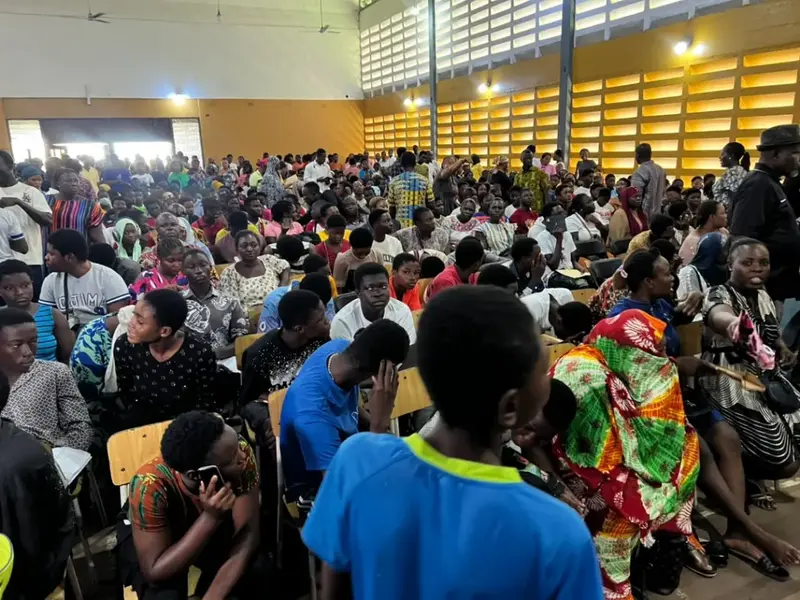
Image: MyJoyOnline
GhanaFront aggregates news from trusted sources. Click to read the original article.
Keywords
Explore related tagsMore from MyJoyOnline
Related Stories
More from Education
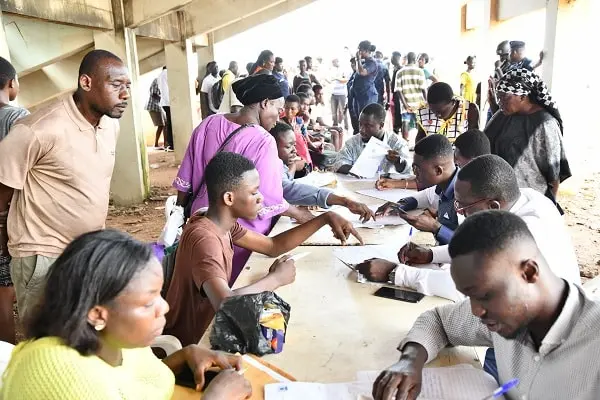
Education Ministry extends deadline for 2026 SHS placement exercise
Why the extension matters for thousands of students still waiting on school placements.
23h ago•2 min read