Women-led SMEs in Volta Region lament marginalisation in accessing government policies and programmes
Ghana's entrepreneurial landscape is a vibrant mix of ambition and resilience, particularly amongst women who navigate a complex web of challenges to establish and grow their businesses. Across the country, from bustling urban centers to more rural regions, women-led small and medium-scale enterprises (SMEs) are crucial drivers of economic growth, innovation, and job creation. These businesses often operate in sectors ranging from agriculture and agro-processing to fashion, textiles, and services, contributing significantly to local economies and livelihoods. However, the playing field isn't always level, and disparities in access to resources and opportunities can create significant hurdles for women entrepreneurs, especially those located outside the major metropolitan areas.
Ghana has made considerable strides in developing policies and programs aimed at supporting SMEs, recognizing their vital role in the national economy. These initiatives often include access to finance, skills training, market linkages, and technological assistance. The government, in collaboration with various agencies and development partners, has launched several schemes designed to empower SMEs and enhance their competitiveness. However, the effectiveness and reach of these policies can vary significantly across different regions and demographic groups. Historical patterns of development and resource allocation have often favored businesses in the capital city and other major urban centers, leading to a concentration of opportunities and support in these areas. This geographical bias can leave SMEs in more remote regions, like the Volta Region, feeling marginalized and underserved.
The Association of Ghana Industries (AGI) plays a pivotal role in advocating for the interests of businesses across the country. As a leading voice for the private sector, AGI works to create a conducive environment for industrial growth and competitiveness. Its membership includes businesses of all sizes, from large-scale manufacturers to small-scale enterprises. The AGI serves as a bridge between businesses and the government, facilitating dialogue and collaboration on policy issues. However, perceptions exist regarding the association's focus and representation, with some SMEs feeling that their concerns are not adequately addressed compared to those of larger corporations. This can lead to questions about the inclusivity and effectiveness of AGI's advocacy efforts, particularly for businesses in regions outside the major economic hubs. The introduction of new economic policies, such as the 24-hour Economy Policy, has generated both excitement and apprehension among SMEs. While the policy aims to boost economic activity and create employment opportunities, its potential impact on different sectors and regions remains a subject of debate.
Several key questions remain unanswered. How can government policies and programs be more effectively targeted to reach SMEs in underserved regions? What steps can be taken to ensure that women-led businesses have equal access to resources and opportunities? How can organizations like the AGI better represent the interests of all their members, regardless of size or location? And what will be the real-world impact of new economic policies on SMEs operating in different parts of the country? The answers to these questions will be crucial in shaping the future of Ghana's entrepreneurial landscape and ensuring that all businesses have the opportunity to thrive and contribute to the nation's economic development.
Quick Summary
Women-led SMEs in the Volta Region are concerned about access to government policies- they feel marginalised. These SMEs are calling on the Association of Ghana Industries (AGI) to intervene on their behalf.
Summary - read the full story for complete context.
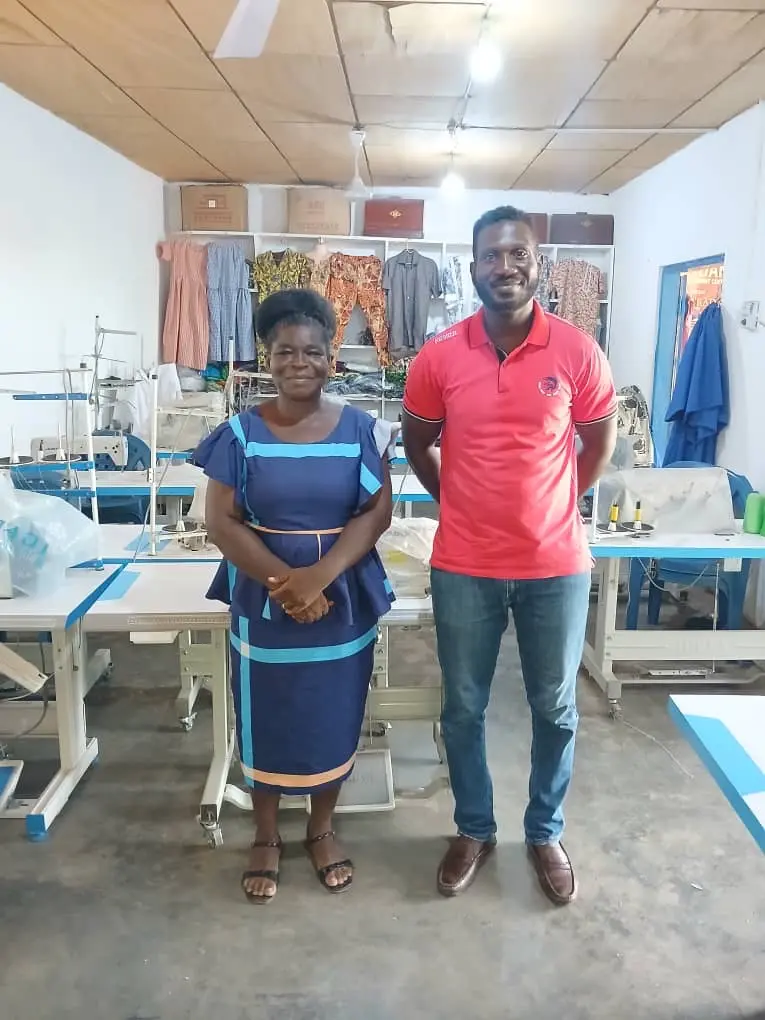
Image: MyJoyOnline
GhanaFront aggregates news from trusted sources. Click to read the original article.
Keywords
Explore related tagsMore from MyJoyOnline
Related Stories
More from Business & Economy

Oil prices jump more than 2% after new strikes on Saudi, Strait of Hormuz
New strikes on Saudi targets and a vessel attack near a key oil chokepoint raise fresh supply fears - what comes next?
1d ago•