What is wrong with us? When public urination and defecation become normal, and dignity becomes optional
Ghana, a nation known for its vibrant culture and burgeoning economy, faces a persistent challenge that undercuts its progress and stains its international image. This challenge, often whispered about but rarely confronted head-on, involves behaviors that many consider basic indicators of societal well-being and respect for public health. While Ghana strives to achieve its potential on the global stage, the prevalence of certain unsanitary practices raises questions about the nation's commitment to hygiene and the well-being of its citizens. The situation demands a critical examination of societal norms and the effectiveness of existing infrastructure.
Ghana's struggle with sanitation is deeply rooted in a complex interplay of factors. Rapid urbanization, coupled with inadequate infrastructure development, has strained the capacity of existing sanitation systems. The historical lack of investment in public toilet facilities, particularly in densely populated urban areas, has contributed to the problem. Furthermore, cultural norms and attitudes towards public hygiene play a significant role. While Ghana has made strides in other areas of development, addressing sanitation requires a fundamental shift in mindset and a concerted effort to promote responsible behavior. The issue is not just about building more toilets; it's about fostering a culture of cleanliness and civic responsibility. This challenge is particularly acute given Ghana's aspirations to be a leading nation in Africa, where sanitation is often a key indicator of development and progress.
The key players in this ongoing drama are diverse, ranging from government agencies responsible for sanitation and public health to local communities grappling with the daily realities of inadequate facilities. Civil society organizations and NGOs are also actively involved, working to raise awareness and implement solutions. Tensions arise from the competing demands of economic development and the need to prioritize public health. The stakes are high, as poor sanitation not only undermines the quality of life for ordinary Ghanaians but also poses a significant threat to public health and economic productivity. The potential for disease outbreaks and the long-term consequences of environmental pollution loom large. Furthermore, Ghana's international reputation is at stake, as the prevalence of unsanitary practices can deter tourism and investment.
Several open questions remain at the heart of this issue. Can Ghana effectively address the infrastructure deficit and provide adequate sanitation facilities for its growing population? Will public awareness campaigns be successful in changing ingrained behaviors and promoting a culture of cleanliness? How can the government and civil society organizations work together to implement sustainable solutions that address both the practical and cultural dimensions of the problem? The answers to these questions will determine whether Ghana can overcome this persistent challenge and achieve its full potential as a healthy and prosperous nation. The conversation continues as Ghana grapples with these critical issues.
Quick Summary
Many African cities are facing a sanitation crisis as public urination and defecation become normalized- raising questions about hygiene and public health. This widespread practice poses significant risks, but the reasons behind it are more complex than they appear.
Summary - read the full story for complete context.
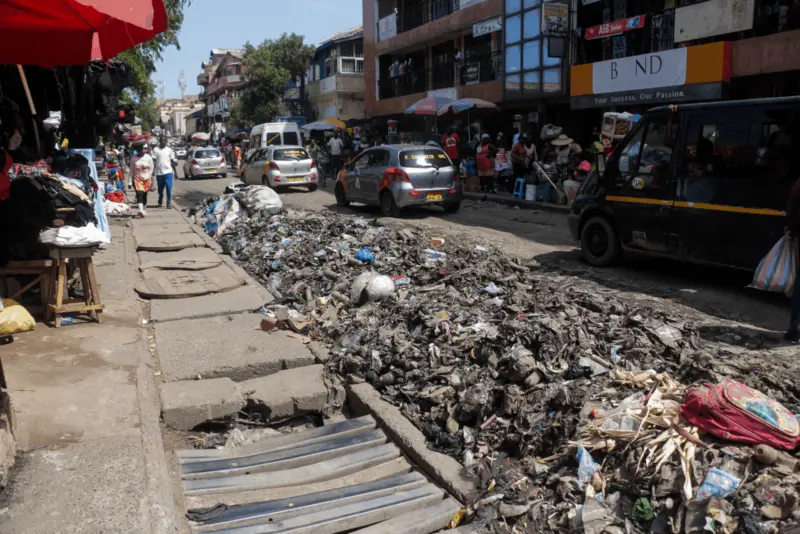
Image: MyJoyOnline
GhanaFront aggregates news from trusted sources. Click to read the original article.
Keywords
Explore related tagsMore from MyJoyOnline
Related Stories
More from Health

Urologist debunks claim that regular ejaculation prevents prostate cancer
What if a popular prostate cancer prevention tip is not backed by science?
1d ago•2 min read