The world in crisis, the world in transition: The UN and the weight of the next secretary-general
In January 2027, the United Nations will welcome its tenth Secretary-General. The individual will step into an office that is simultaneously more consequential and more contested than at any other moment in recent memory. The candidate will be charged with advocating for the most vulnerable and marginalised peoples on earth at a moment when the very institutions designed to protect them are under siege.
From April 21st to 22nd, 2026, candidates Michelle Bachelet Jeria (Former President of Chile); Rafael Mariano Grossi (Former Argentine Ambassador to Austria); Rebeca Grynspan Mayufis (Former Second Lady of Costa Rica and current Secretary-General of the United Nations Conference on Trade and Development - UNCTAD); and Macky Sall (Former President of Senegal) will participate in interactive dialogues. These dialogues are live, webcast hearings before UN member states and civil society. The selection process is a testament to how far, and how unevenly, the world has moved toward transparency and accountability in multilateral governance.
The 2024 Summit of the Future adopted a Pact that committed nations to dramatic emissions reductions, a $500 billion annual stimulus for sustainable development, and reforms to the international financial architecture to support climate-vulnerable developing nations.
Quick Summary
In 2027, the UN will welcome its tenth Secretary-General amidst a world fractured by climate change and conflict- a planet uncertain about the international rules-based order. The next leader will advocate for the vulnerable as institutions meant to protect them are under siege.
Summary - read the full story for complete context.

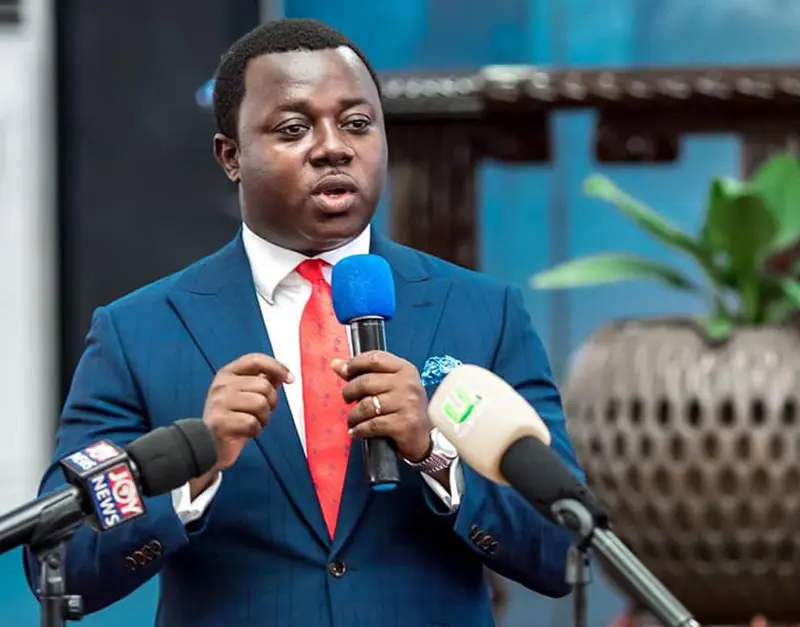
Image: MyJoyOnline
GhanaFront aggregates news from trusted sources. Click to read the original article.
Keywords
Explore related tagsMore from MyJoyOnline
Related Stories
More from Politics

NPP National Chairman Race: John Boadu in narrow lead, but race is open and competitive - APL report
Which region will decide the NPP chairmanship? A new poll reveals surprising regional splits.
2d ago•