The Pragya Economy: Is Cape Coast Losing urban soul?
Cape Coast, a city steeped in history and academic prestige, finds itself at a crossroads. A debate is brewing, fueled by the increasing presence of a particular mode of transportation. Local residents are voicing concerns, prompting reflection on the city's identity and future trajectory. The discussion involves city planners, transport operators, and everyday citizens, each with their own perspectives on the evolving urban landscape.
Ghana's transport sector is a complex tapestry woven with threads of tradition, innovation, and economic necessity. In recent years, the introduction and proliferation of motorized tricycles, often called "Pragya," have reshaped urban mobility, particularly in smaller cities and towns. These vehicles, initially intended for rural areas with limited infrastructure, have filled a crucial gap in the transport system, providing affordable and accessible transportation options for many Ghanaians. However, their widespread adoption has also raised concerns about road safety, traffic congestion, and the overall aesthetic appeal of urban centers. The situation in Cape Coast mirrors a broader national trend, where the need for affordable transport solutions clashes with the desire for orderly and well-planned urban environments. This tension is amplified by Ghana's ongoing urbanization, which places increasing pressure on city infrastructure and resources. The government, local authorities, and private sector actors are constantly grappling with the challenge of balancing economic development with sustainable urban planning.
The stakes are high for Cape Coast, a city aspiring to become a modern tourism hub while preserving its unique historical character. Key players include the local government, responsible for urban planning and transport regulation; Pragya operators, who rely on this trade for their livelihoods; and residents, who are directly affected by the changing transport landscape. Tensions arise from competing priorities: the need to address unemployment, the desire for efficient and affordable transport, and the imperative to maintain urban order and safety. The city's development plan hangs in the balance, as the debate over Pragya reflects a deeper struggle to define Cape Coast's future identity. Will the city embrace informal solutions to transport challenges, or will it prioritize structured planning and regulation? The answer to this question will have significant implications for the city's economic prospects, its social fabric, and its overall appeal as a destination for tourists and investors.
Several open questions are driving the conversation. How can Cape Coast effectively manage the growth of informal transport systems while addressing the underlying issue of unemployment? What regulatory frameworks can be implemented to ensure road safety and minimize traffic congestion caused by Pragya operations? What alternative transport solutions can be explored to provide affordable and efficient mobility options for residents? How can the city balance the economic benefits of Pragya with the need to preserve its historical character and urban appeal? The answers to these questions will determine whether Cape Coast can successfully navigate this challenge and achieve its ambitious development goals. The city's approach to this issue will likely serve as a model for other Ghanaian cities facing similar dilemmas, making the outcome all the more significant.
Quick Summary
Cape Coast, a city known for its elite learning, is seeing a rise in "Pragya" tricycles, altering its urban landscape- raising questions about its development plan. The prevalence of these tricycles sparks debate about balancing modernization with the city's historical identity- but can it be done?
Summary - read the full story for complete context.
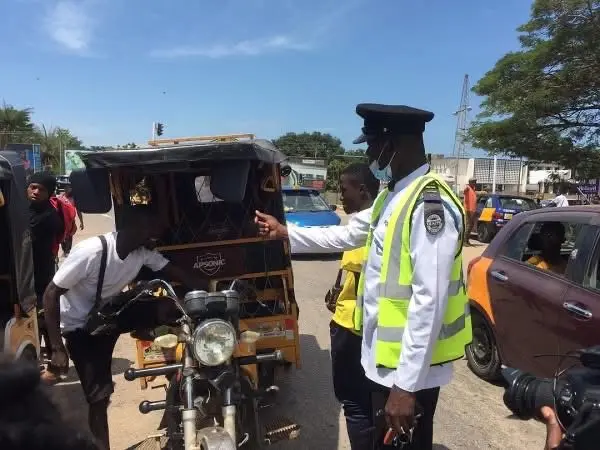
Image: MyJoyOnline
GhanaFront aggregates news from trusted sources. Click to read the original article.
Keywords
Explore related tagsMore from MyJoyOnline
Related Stories
More from Regional

Unemployed man gets 18 months imprisonment term for causing harm
A routine morning turned violent when a DJ discovered an unexpected visitor in his home.
1d ago•2 min read