'The gravest crime against humanity': What does the UN vote on slavery mean?
The United Nations General Assembly overwhelmingly backed a resolution this week declaring the transatlantic slave trade "the gravest crime against humanity". UN Secretary-General Antonio Guterres said that the wealth of many Western nations was "built on stolen lives and stolen labour". The resolution was adopted by 123 votes to three, while 52 countries abstained.
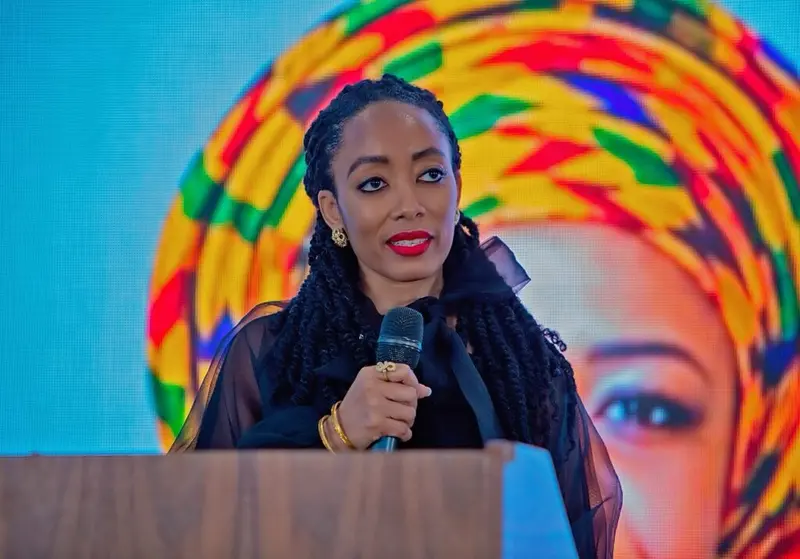
The United States, Argentina and Israel voted against the resolution. Dr Erieka Bennett said the vote "means that I'm acknowledged, it means that my ancestor finally rests". From the 15th to 19th Centuries, around 12-15 million African men, women and children were captured and trafficked to the Americas to work as slaves. Two million people are believed to have died aboard the infamous slave ships.
The motion, proposed by Ghana, urges UN member states to consider apologising for the slave trade and contributing to a reparations fund. Dr Esther Xosei welcomed the vote but doubts it will make much difference on its own.
Quick Summary
The UN General Assembly debated the transatlantic slave trade, involving nations worldwide. The discussion raises questions about historical accountability - but what could that mean for the future?
Summary - read the full story for complete context.
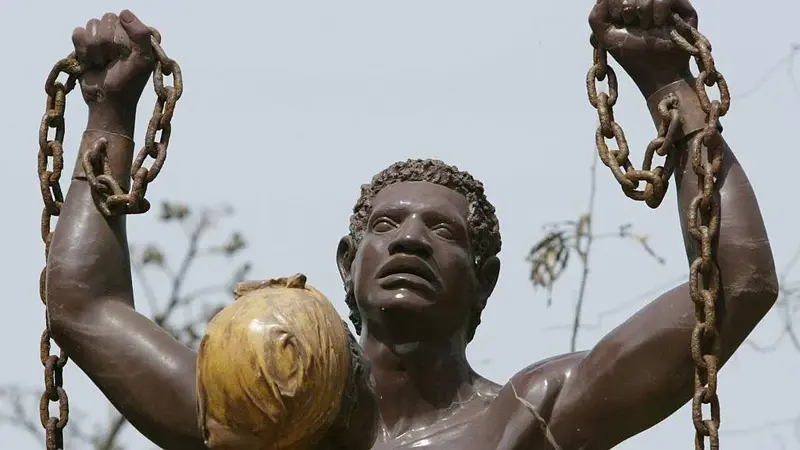
Image: MyJoyOnline
GhanaFront aggregates news from trusted sources. Click to read the original article.
Keywords
Explore related tagsMore from MyJoyOnline
Related Stories
More from Politics
Ghana Catholic Bishops demand urgent action against drug trafficking
What did the Bishops say about the recent cocaine seizure and who might be involved?
3d ago•2 min read