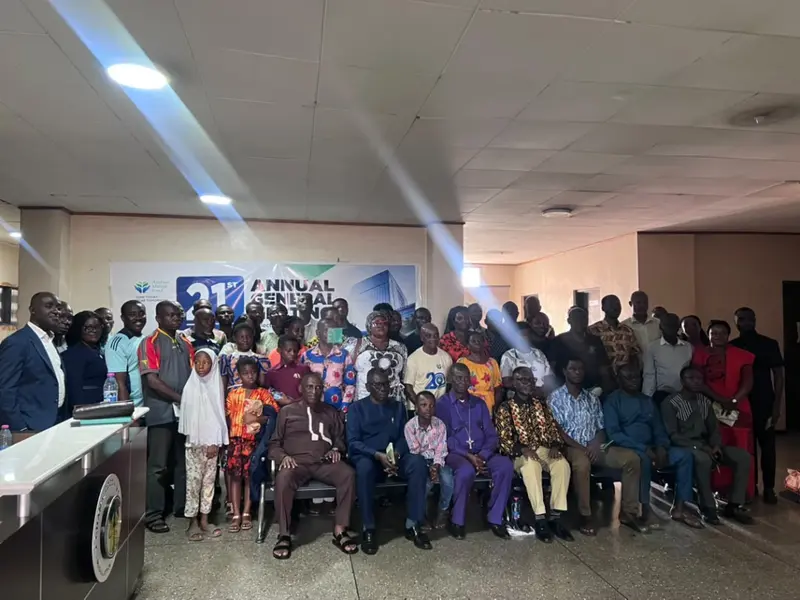
Stakeholders urged to strengthen cashew industry in Savannah Region
The Savannah Region, a vast and relatively young administrative area in Ghana, is increasingly becoming synonymous with a particular agricultural commodity. Across the country, discussions are ongoing about how best to harness the potential of this crop, not just for the region itself, but for the broader national economy. Various individuals, representing different facets of the agricultural landscape, are actively engaged in these conversations, each bringing unique perspectives and priorities to the table. The focus is on ensuring that the industry operates efficiently, sustainably, and in a way that benefits all stakeholders, from the smallest farmer to the largest exporter.
Cashew cultivation in Ghana, particularly in the Savannah ecological zone, has experienced significant growth over the past two decades. This growth is driven by several factors, including the crop's relative resilience to climate change compared to other staples, the increasing global demand for cashew nuts, and government initiatives aimed at promoting agricultural diversification. Cashew provides a crucial source of income for many rural communities in the northern part of Ghana, where poverty rates are generally higher than the national average. The industry also contributes to foreign exchange earnings through exports. However, the Ghanaian cashew sector faces challenges, including low yields, inadequate processing capacity, and vulnerability to price fluctuations in the international market. The government has implemented policies to address these challenges, such as providing subsidized seedlings, promoting farmer training, and encouraging investment in processing facilities. The long-term success of the cashew industry is vital for achieving sustainable economic development and improving the livelihoods of rural populations in the Savannah Region and beyond.
The key players in the Ghanaian cashew sector are diverse, ranging from smallholder farmers who cultivate the crop on small plots of land, to large-scale commercial farms, traders who buy and sell raw cashew nuts, processors who convert the nuts into edible products, and exporters who ship the products to international markets. Government institutions, such as the Ministry of Food and Agriculture and the Tree Crops Development Authority, play a crucial role in regulating the sector, providing support to farmers, and promoting investment. Development partners, including international organizations and NGOs, also contribute to the industry through funding, technical assistance, and capacity building programs. Tensions can arise between different stakeholders due to conflicting interests, such as pricing disputes between farmers and traders, or competition between local processors and foreign buyers. What's at stake is the long-term sustainability and competitiveness of the Ghanaian cashew industry, as well as the livelihoods of thousands of people who depend on it. Ensuring fair prices for farmers, promoting value addition through local processing, and improving the quality of Ghanaian cashew nuts are key priorities.
Several open questions remain regarding the future of the cashew industry in the Savannah Region. How can the voices of grassroots farmers be effectively incorporated into national policy dialogues? What measures can be taken to strengthen the implementation of existing policies and regulations governing the sector? How can investment in processing facilities be encouraged to increase value addition and create jobs in the region? What role can technology play in improving cashew yields and reducing post-harvest losses? How can the industry adapt to the challenges posed by climate change? The answers to these questions will determine the extent to which the cashew industry can contribute to sustainable economic development and improve the lives of people in the Savannah Region and across Ghana.
Quick Summary
Stakeholders are being asked to bolster the cashew industry in the Savannah Region. The industry is critical to livelihoods and the economy - but what steps will stakeholders take?
Summary - read the full story for complete context.
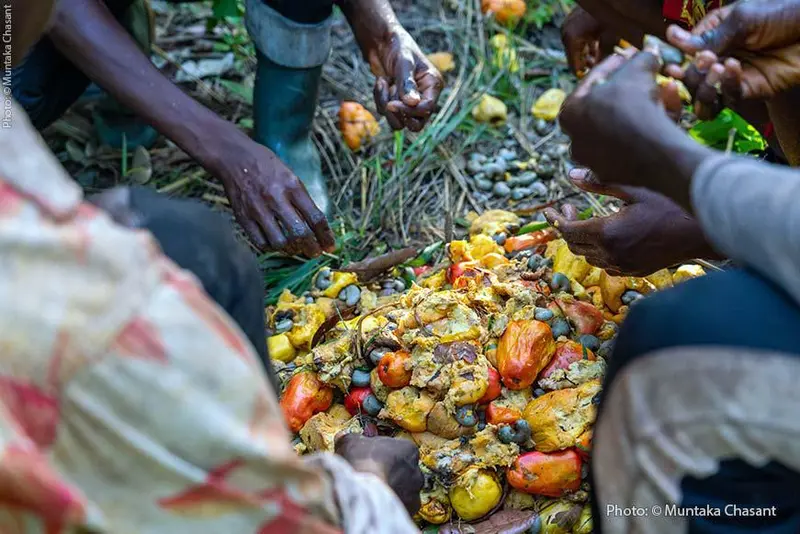
Image: MyJoyOnline
GhanaFront aggregates news from trusted sources. Click to read the original article.
Keywords
Explore related tagsMore from MyJoyOnline
Related Stories
More from Business & Economy

Ghana struggles to raise local funds for delayed cocoa season as investors demand higher returns
Why is Ghana's cocoa season stalled, and what could it mean for farmers and global supply?
15h ago•