Sri Lanka declares Wednesdays off as Asian countries try to conserve fuel
Sri Lanka, a nation known for its vibrant culture and stunning landscapes, finds itself navigating a complex economic landscape. The island nation, like many others in Asia, is grappling with the ripple effects of global events that are impacting energy supplies and costs. The situation has prompted officials to consider various strategies aimed at conserving resources and mitigating potential disruptions. Across the continent, governments are exploring innovative approaches to manage energy consumption and ensure stability for their citizens.
Ghana, as a developing nation heavily reliant on imported fuel, is no stranger to the challenges posed by fluctuating global oil prices and geopolitical instability. The country's economic growth is intrinsically linked to a stable and affordable energy supply. Historically, Ghana has faced periods of fuel scarcity and price hikes, leading to economic hardship and social unrest. The reliance on imported oil makes the nation vulnerable to external shocks, highlighting the urgent need for diversification of energy sources and efficient resource management. The situation in Sri Lanka, therefore, serves as a cautionary tale and a potential learning opportunity for Ghana. It underscores the importance of proactive measures to safeguard energy security and mitigate the impact of global events on the domestic economy. Furthermore, it reignites the conversation around sustainable practices and the adoption of energy-efficient technologies.
The key players in this unfolding situation extend beyond national governments. International organizations, energy companies, and individual citizens all have a role to play. Tensions arise from the competing needs of economic growth, energy security, and environmental sustainability. For Ghana, the stakes are high. Failure to address these challenges could lead to increased economic vulnerability, social instability, and a setback in the nation's development goals. The government must balance the need for immediate solutions with long-term strategies that promote energy independence and resilience. The private sector, too, has a crucial role in investing in renewable energy sources and developing innovative technologies to reduce energy consumption.
Several questions remain unanswered as the situation unfolds. What specific measures will prove most effective in conserving fuel and mitigating the impact of rising oil prices? How will these measures affect the daily lives of ordinary citizens? And what are the long-term implications for economic growth and development in the affected countries? These are the questions that Ghanaians are asking as they watch the situation in Sri Lanka and other Asian nations. The answers will undoubtedly shape the future of energy policy and resource management in Ghana and across the continent.
Quick Summary
Sri Lanka is instituting a four-day work week - a move rippling across Asian nations. Countries are now scrambling to respond to potential fuel shortages.
Summary - read the full story for complete context.
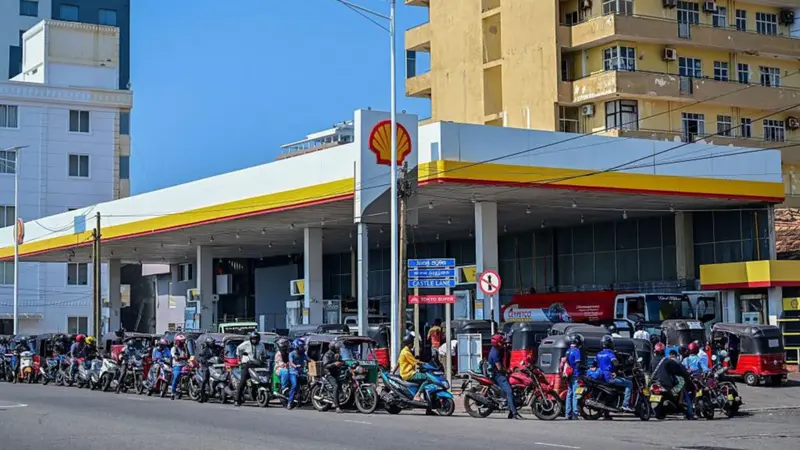
Image: MyJoyOnline
Also covered by
GhanaFront aggregates news from trusted sources. Click to read the original article.
Keywords
Explore related tagsMore from MyJoyOnline
Related Stories
More from Business & Economy
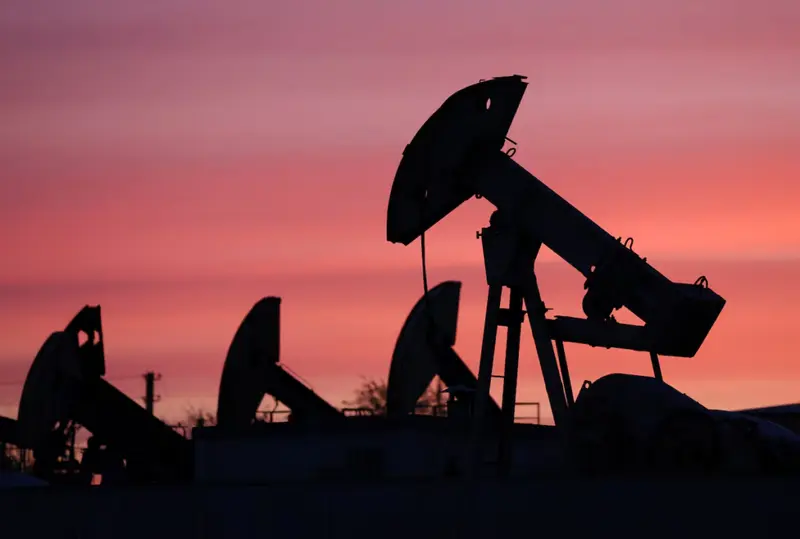
Oil prices jump more than 2% after new strikes on Saudi, Strait of Hormuz
New strikes on Saudi targets and a vessel attack near a key oil chokepoint raise fresh supply fears - what comes next?
1d ago•