Rising gold prices from geopolitical tensions could support Ghana's trade balance - Dr Asiama
Dr. Johnson Asiama, a prominent figure in Ghana's financial landscape, recently addressed the opening of a significant gathering focused on the nation's monetary policy. The meeting brought together key decision-makers tasked with navigating the complexities of the global economy and its impact on Ghana. Discussions centered around a confluence of factors, including ongoing geopolitical tensions and their potential ripple effects on commodity markets. The deliberations underscore the delicate balancing act required to maintain economic stability and promote sustainable growth in an increasingly uncertain world.
Ghana's economy is intricately linked to global commodity prices, with gold playing a particularly crucial role. The country is a major producer and exporter of the precious metal, making it a significant contributor to foreign exchange earnings and overall economic performance. Historically, gold has served as a safe-haven asset, attracting investors during times of geopolitical instability and economic uncertainty. This dynamic can create both opportunities and challenges for Ghana. Increased demand for gold can boost export revenues, providing a cushion against external shocks. However, policymakers must also be mindful of the broader implications of global events, including potential disruptions to trade and supply chains, as well as inflationary pressures stemming from rising energy costs. The interplay between these factors requires careful monitoring and strategic decision-making to ensure the long-term health of the Ghanaian economy.
The stakes are high for Ghana as it navigates the current global landscape. The Bank of Ghana, under the leadership of figures like Dr. Asiama, plays a critical role in maintaining price stability and fostering a favorable environment for economic growth. The Monetary Policy Committee (MPC) is responsible for setting the policy rate, a key tool used to influence inflation and manage liquidity in the financial system. Decisions made by the MPC have far-reaching consequences for businesses, consumers, and the overall economy. With geopolitical tensions adding another layer of complexity to the economic outlook, the MPC faces the challenge of balancing competing priorities and mitigating potential risks. The committee's deliberations involve careful consideration of various economic indicators, including inflation, exchange rates, and global commodity prices, as well as an assessment of the potential impact of external events on the Ghanaian economy.
Several key questions remain as Ghana grapples with the implications of global events. How will the MPC balance the potential benefits of higher gold prices with the risks of rising oil prices and disruptions to global trade? What measures will be taken to mitigate inflationary pressures and maintain price stability? How will the government support businesses and consumers in the face of economic uncertainty? The answers to these questions will shape Ghana's economic trajectory in the coming months and years. The decisions made by the MPC and other policymakers will have a significant impact on the lives of ordinary Ghanaians, as well as the country's long-term economic prospects. The focus now shifts to the specific actions and strategies that will be adopted to navigate these challenges and capitalize on potential opportunities.
Quick Summary
Bank of Ghana Governor-Dr. Asiama-addressed the Monetary Policy Committee (MPC) on the potential impacts of Middle East geopolitical tensions. He noted rising gold prices could support Ghana's trade balance-but there are broader implications.
Summary - read the full story for complete context.
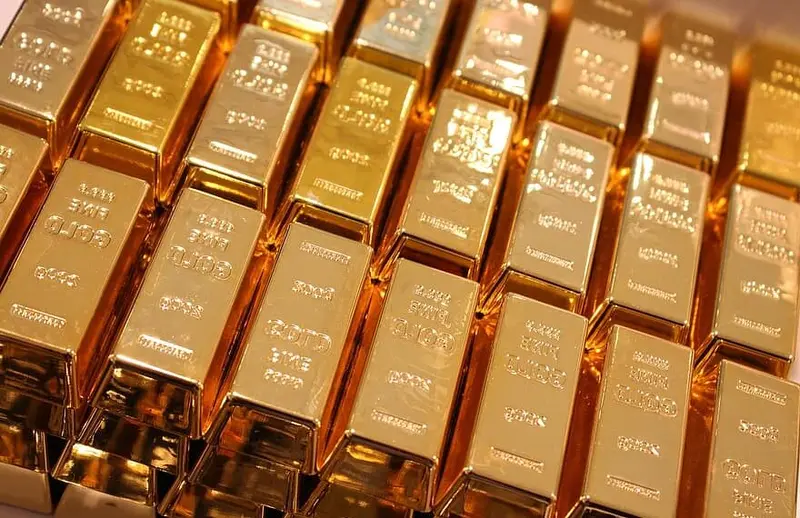
Image: MyJoyOnline
GhanaFront aggregates news from trusted sources. Click to read the original article.
Keywords
Explore related tagsMore from MyJoyOnline
Related Stories
More from Business & Economy

GOIL could hold fuel prices despite $100 crude oil shock - Edward Bawa
Will Ghanaian fuel prices stay stable despite the global crude oil surge? GOIL's next move may surprise you.
1d ago•4 min read