Prices of major food grains remain stable in Ghana - AGRA Food Security Monitor
The agricultural landscape in Ghana is a complex tapestry woven with the threads of smallholder farms, government policies, and global market forces. Farmers across the nation, from the fertile Volta Region to the northern savannahs, dedicate their lives to cultivating the land, providing sustenance for their families and contributing to the national economy. Their efforts, however, are constantly challenged by unpredictable weather patterns, fluctuating input costs, and the ever-present specter of food insecurity. The work of organizations dedicated to monitoring and analyzing these trends is crucial for informed decision-making and strategic planning within the agricultural sector. These organizations diligently collect data, track price movements, and assess the overall health of the food system, providing valuable insights for policymakers, farmers, and consumers alike.
Ghana's agricultural sector is deeply intertwined with its history and cultural identity. For generations, farming has been the backbone of the nation, providing livelihoods and shaping social structures. The country's reliance on rain-fed agriculture makes it particularly vulnerable to climate change, with droughts and floods posing significant threats to crop yields. In recent years, there has been a growing emphasis on modernizing agricultural practices, promoting the use of improved seeds and fertilizers, and investing in irrigation infrastructure. The government has implemented various initiatives aimed at boosting agricultural productivity and ensuring food security, including subsidies for farmers and programs to encourage youth involvement in agriculture. The success of these initiatives hinges on a delicate balance between supporting local farmers and navigating the complexities of the global market. Trends in neighboring West African countries, such as Nigeria and Togo, often have ripple effects on Ghana's agricultural landscape, influencing trade flows and price dynamics.
Several key players are involved in shaping Ghana's agricultural landscape. The Ministry of Food and Agriculture plays a central role in formulating policies and implementing programs to support the sector. Farmer associations advocate for the interests of their members, providing a platform for collective action and lobbying for favorable policies. Private sector companies are increasingly involved in the agricultural value chain, providing inputs, processing crops, and facilitating access to markets. International organizations, such as the Alliance for a Green Revolution in Africa (AGRA), contribute to the sector through research, technical assistance, and financial support. Tensions can arise between these different actors, particularly when it comes to issues such as land ownership, access to credit, and the distribution of resources. The stakes are high, as the success or failure of the agricultural sector has profound implications for food security, economic growth, and social stability.
Several open questions continue to drive discussions and shape the future of Ghana's agricultural sector. How can the country build resilience to climate change and mitigate the impacts of extreme weather events on crop production? What strategies can be implemented to reduce post-harvest losses and improve the efficiency of the food supply chain? How can access to finance be improved for smallholder farmers, enabling them to invest in improved technologies and expand their operations? What policies are needed to promote sustainable agricultural practices and protect the environment? The answers to these questions will determine whether Ghana can achieve its goals of food security, economic prosperity, and sustainable development.
Quick Summary
The AGRA Food Security Monitor has released its February 2026 report on major food grains in Ghana. The report examines price movements and market conditions- but what factors are at play?
Summary - read the full story for complete context.
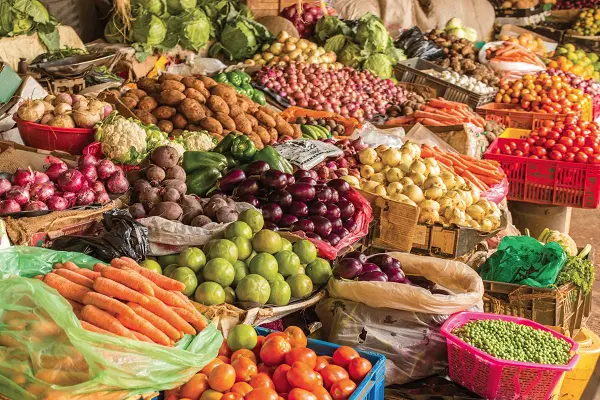
Image: Joy Business
GhanaFront aggregates news from trusted sources. Click to read the original article.
Keywords
Explore related tagsMore from Joy Business
Related Stories
More from Business & Economy

GOIL could hold fuel prices despite $100 crude oil shock - Edward Bawa
Will Ghanaian fuel prices stay stable despite the global crude oil surge? GOIL's next move may surprise you.
20h ago•4 min read