President Mahama joins Muslim community for Iftar
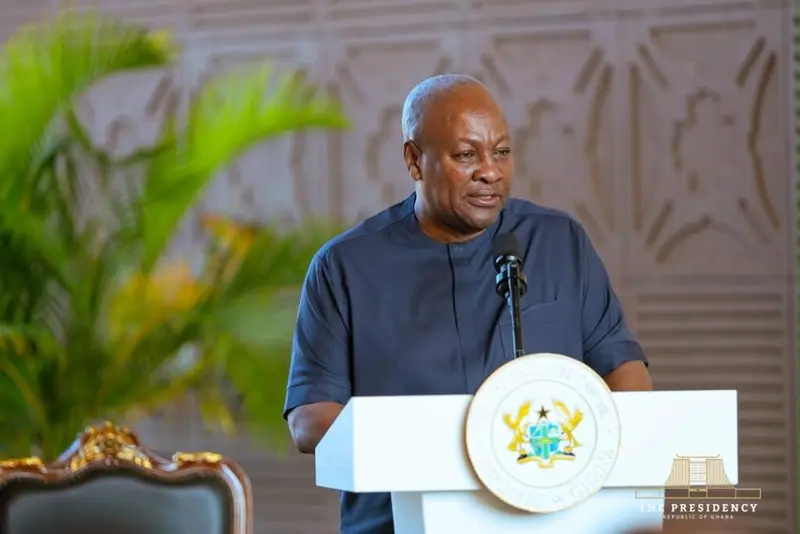
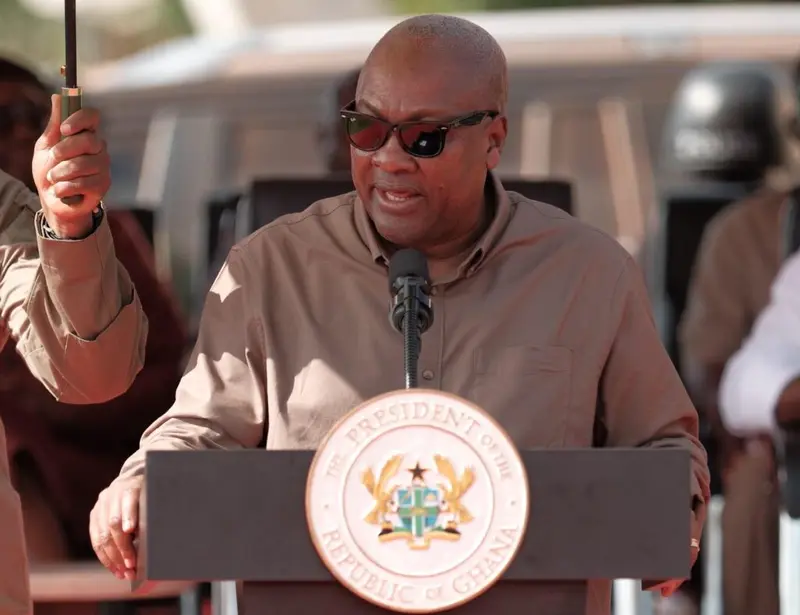
President John Dramani Mahama, a prominent figure in Ghanaian politics, recently engaged with a specific segment of the Ghanaian population at the nation's presidential residence. This interaction occurred during a period of significant religious observance for a large portion of Ghana's citizenry. The event brought together individuals from various backgrounds, highlighting the intersection of faith and national identity.
Ghana, a nation known for its religious diversity and tolerance, has a substantial Muslim population that coexists peacefully with Christians and adherents of traditional religions. The relationship between political leaders and religious communities is often carefully cultivated, recognizing the influence that religious leaders and institutions hold within society. Historically, Ghanaian presidents have routinely participated in religious events and engaged with faith-based organizations, acknowledging their contributions to national development and social cohesion. This practice underscores the importance of religious harmony in maintaining stability and promoting a shared sense of national identity. The timing of this particular engagement adds another layer of significance, coinciding with a period of reflection and spiritual renewal for many.
Several key figures are likely involved in this interaction, including prominent members of the Muslim community and potentially representatives from other religious groups. The National Chief Imam, a highly respected figure in Ghana's Islamic community, often plays a pivotal role in such events, serving as a bridge between the government and the Muslim population. The stakes are high, as these interactions can influence public perception of the government's commitment to religious freedom and inclusivity. Any perceived misstep or exclusion could potentially fuel tensions and undermine national unity. The event also provides an opportunity for the President to address issues of national importance and to reinforce shared values.
Looking ahead, several questions remain unanswered. What specific messages were conveyed during this gathering? How will this engagement be perceived by different segments of the Ghanaian population? What impact, if any, will it have on the relationship between the government and religious communities? The answers to these questions will undoubtedly shape the narrative surrounding this event and its broader implications for Ghana's political and social landscape.
Quick Summary
President Mahama met with the Muslim community at Jubilee House for Iftar. He spoke about the importance of compassion, forgiveness, and moral responsibility - but what does this mean for the nation?
Summary - read the full story for complete context.
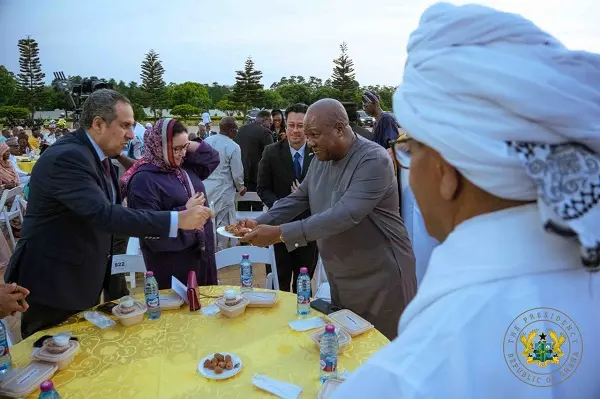
Image: GhanaWeb
GhanaFront aggregates news from trusted sources. Click to read the original article.
Keywords
Explore related tagsMore from GhanaWeb
Related Stories
More from Politics
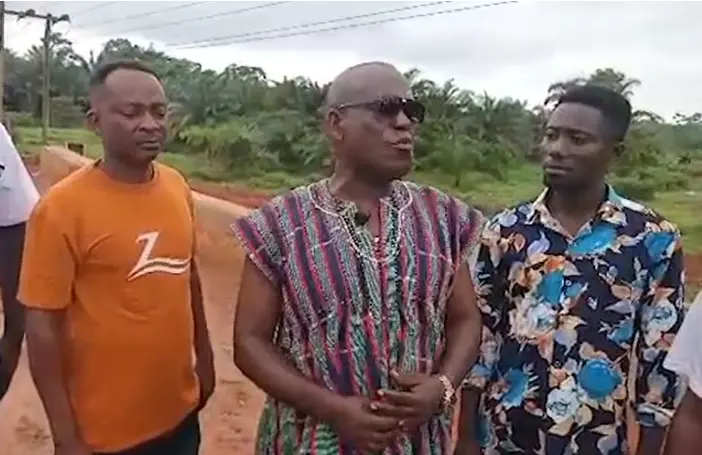
Ofoase-Ayirebi NDC chairman commends Mahama for construction of Abenase bridge
A new bridge brings relief, but what does it mean for the party's foot soldiers?
2d ago•2 min read