President Mahama doubles security services recruitment target to 40,000
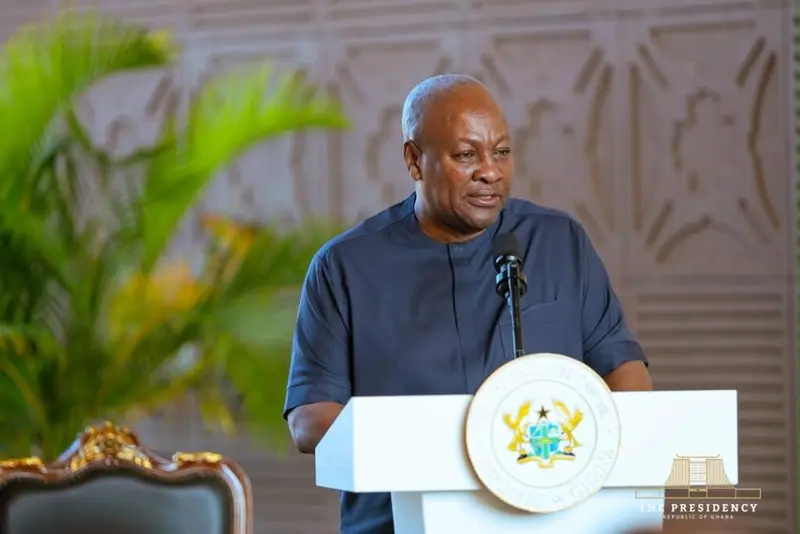
President John Dramani Mahama, a prominent figure in Ghanaian politics, has recently engaged in discussions with key leaders from the nation's security apparatus. These discussions, involving the Inspector-General of Police, the Director-General of Prisons, and other high-ranking officials, signal a potential shift in how Ghana approaches its internal security and public safety strategies. The meeting also included the Ministers for the Interior and Defence, further highlighting the collaborative nature of these deliberations. The focus of these high-level talks centered on the ongoing efforts to bring new personnel into various security agencies across the country.
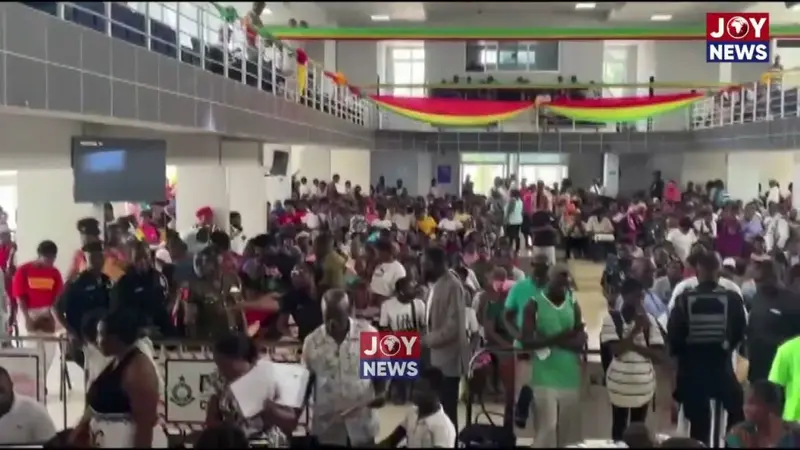
Ghana's security landscape has been a subject of ongoing debate and reform in recent years. The nation faces a complex array of challenges, ranging from combating transnational crime and managing internal security threats to ensuring border control and maintaining public order. Historically, recruitment into the security services has been a sensitive issue, often intertwined with concerns about regional balance, ethnic representation, and allegations of favoritism. The demand for jobs within these agencies is high, reflecting both the desire for stable employment and the perceived prestige associated with serving the nation in a security capacity. Furthermore, the capacity and effectiveness of Ghana's security agencies are crucial for attracting foreign investment, promoting tourism, and fostering a stable environment for economic growth. Any adjustments to recruitment strategies are therefore likely to be met with intense public scrutiny and political debate.
The key players in this situation - President Mahama, the heads of the security agencies, and the relevant ministers - each have distinct interests and responsibilities. The President, as the Commander-in-Chief, bears the ultimate responsibility for ensuring the safety and security of the nation. The heads of the security agencies are tasked with managing their respective organizations, overseeing recruitment processes, and maintaining operational effectiveness. The Ministers for the Interior and Defence play a crucial role in formulating security policies, allocating resources, and coordinating inter-agency cooperation. Tensions may arise from competing priorities, budgetary constraints, and the need to balance national security objectives with concerns about fairness and transparency. The stakes are high, as the outcome of these deliberations could significantly impact the capabilities of Ghana's security services, public confidence in law enforcement, and the overall stability of the nation.
Several questions remain unanswered at this stage. What specific criteria will be used to select new recruits? How will the security agencies ensure that the recruitment process is free from corruption and political interference? What measures will be taken to address concerns about regional and ethnic representation within the security services? How will the government finance the expansion of the security agencies, given existing budgetary constraints? And, perhaps most importantly, how will these new recruits be trained and equipped to effectively address the evolving security challenges facing Ghana? The answers to these questions will determine the success or failure of this initiative and its long-term impact on Ghana's security landscape.
Quick Summary
President Mahama has given new directives regarding security services recruitment. The President's orders followed a high-level meeting with security heads - but what changes might be in store for the agencies?
Summary - read the full story for complete context.
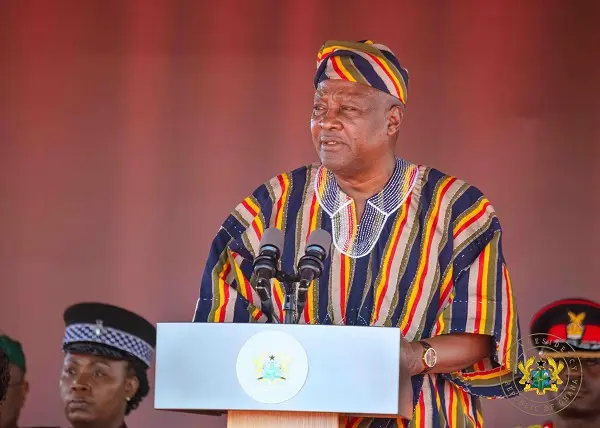
Image: GhanaWeb
GhanaFront aggregates news from trusted sources. Click to read the original article.
Keywords
Explore related tagsMore from GhanaWeb
Related Stories
More from Politics

Ofoase-Ayirebi NDC chairman commends Mahama for construction of Abenase bridge
A new bridge brings relief, but what does it mean for the party's foot soldiers?
1d ago•2 min read