Parliament, World Bank, others boost journalists' capacity for financial reporting
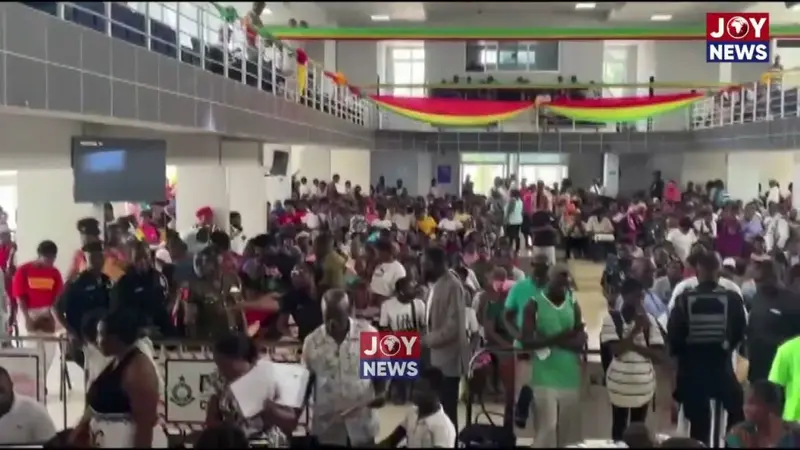
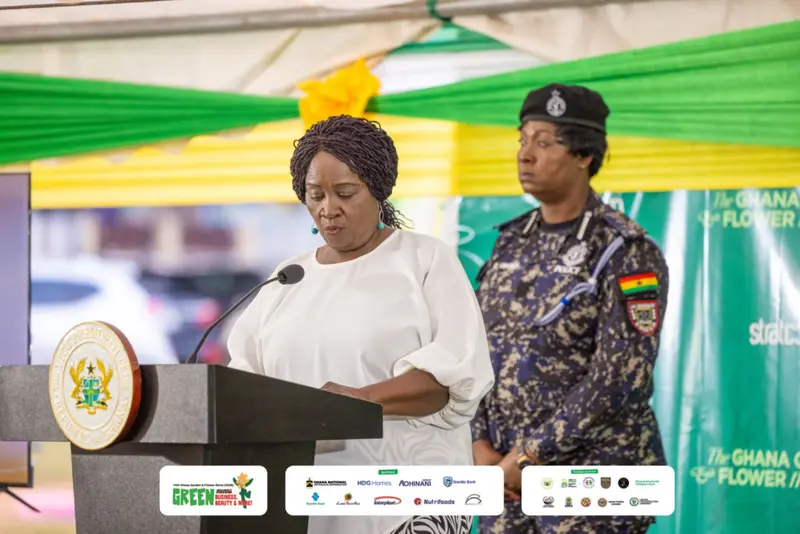
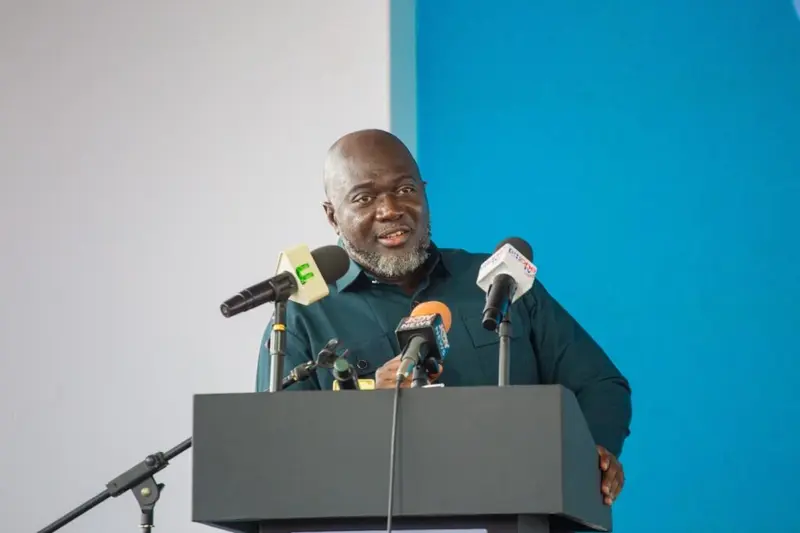
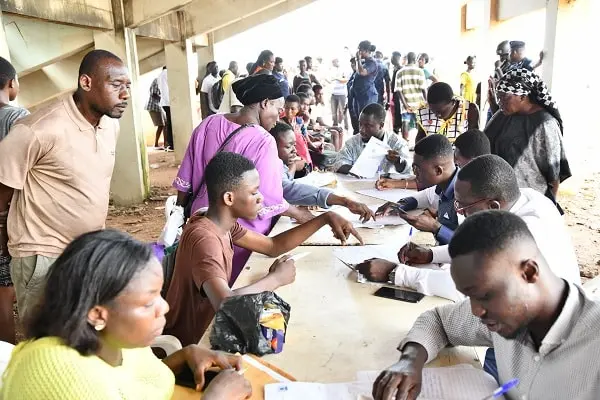
The Ghanaian Parliament, a key institution in the nation's democratic framework, recently engaged with the Parliamentary Press Corps (PPC) in a collaborative effort. This initiative also involved external partners such as the World Bank and the Foreign, Commonwealth, and Development Office (FCDO) of the United Kingdom. The focus of this engagement centered on bolstering the capabilities of journalists covering parliamentary proceedings, particularly in the realm of public finance. Several individuals played pivotal roles in this undertaking, including Mr. David Sebastian Damoah, the Director of Media Relations for the Parliamentary Service, Madam Eva Mends, a former Chief Director at the Ministry of Finance, and Mr. Simon Agianab, the Dean of the PPC. Additionally, experts like Mr. Michael Addo, an Assistant Auditor General, and Mr. Lloyd Evans, a former President of the Institute of Financial and Economic Journalists (IFEJ), contributed their expertise.
Ghana's economic landscape is a complex tapestry woven with threads of both progress and challenge. Public financial management is a critical area, influencing everything from infrastructure development to social welfare programs. The media plays a vital role in holding the government accountable and informing the public about how taxpayer money is being spent. However, financial reporting can be particularly challenging, requiring specialized knowledge and the ability to translate complex data into accessible information. Trends in Ghana's economic development, such as fluctuating commodity prices, debt management, and the implementation of various economic policies, all contribute to the need for informed and insightful reporting. The ability of journalists to accurately analyze and report on these issues is crucial for fostering transparency and promoting good governance. Historically, there have been concerns about the level of financial literacy among journalists, highlighting the importance of initiatives aimed at bridging this gap.
The key players in this scenario - Parliament, the media, and international development partners - each have distinct interests and perspectives. Parliament seeks to ensure that its work is accurately and effectively communicated to the public. The media aims to fulfill its role as a watchdog, scrutinizing government spending and holding officials accountable. International organizations like the World Bank and the FCDO are invested in promoting good governance and sustainable development in Ghana. Tensions can arise from differing priorities and perspectives, particularly when it comes to sensitive issues like budget allocations, debt management, and corruption. What's at stake is the integrity of Ghana's democratic processes and the ability of citizens to make informed decisions about their government. If the media is unable to effectively report on public finance, it can undermine public trust and hinder efforts to promote transparency and accountability.
Several open questions remain that will likely drive further discussion and scrutiny. How will the skills and knowledge gained from this initiative translate into improved reporting on public finance? Will this lead to greater transparency and accountability in government spending? What impact will this have on public perceptions of Parliament and the government's economic policies? How will the Parliamentary Press Corps navigate the ethical challenges inherent in reporting on sensitive financial matters? The answers to these questions will determine the long-term success of this initiative and its contribution to strengthening Ghana's democracy. The effectiveness of the collaboration between Parliament, the media, and international partners will be crucial in shaping the future of public financial reporting in Ghana.
Quick Summary
The Parliament of Ghana, World Bank, and FCDO collaborated on a workshop for journalists. The aim was to boost their capacity for public financial reporting- but the implications could be far-reaching.
Summary - read the full story for complete context.
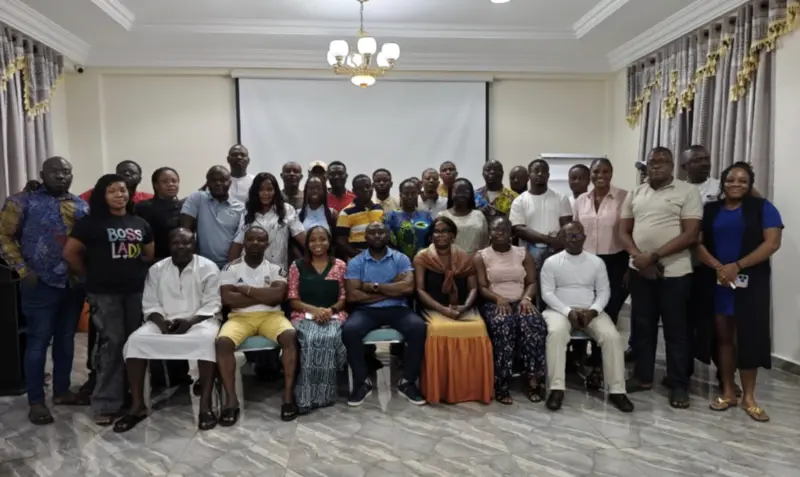
Image: MyJoyOnline
GhanaFront aggregates news from trusted sources. Click to read the original article.
Keywords
Explore related tagsMore from MyJoyOnline
Related Stories
More from Business & Economy
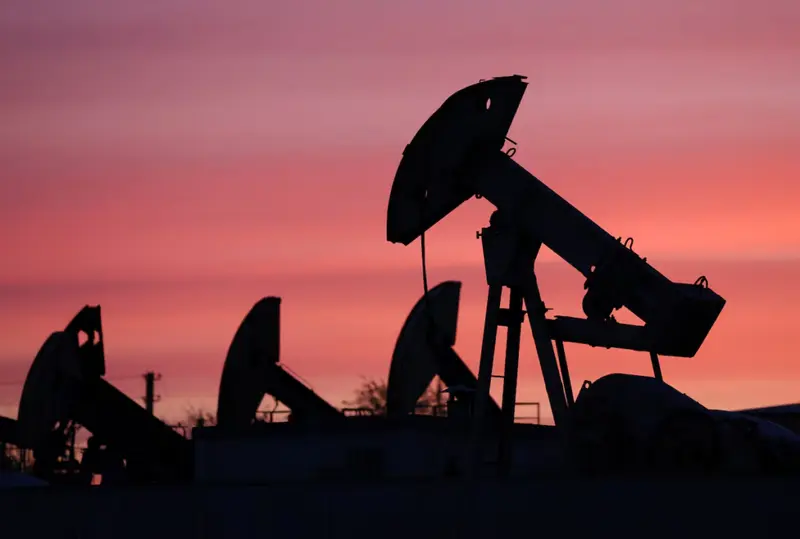
Oil prices jump more than 2% after new strikes on Saudi, Strait of Hormuz
New strikes on Saudi targets and a vessel attack near a key oil chokepoint raise fresh supply fears - what comes next?
1d ago•