Parliament passes Education Regulatory Bodies Amendment Bill, 2026
Ghana's education sector is a dynamic space, constantly evolving to meet the needs of a growing population and a rapidly changing global landscape. The roles of key figures within the Ministry of Education and Parliament are crucial in shaping the future of learning in the country. The contributions of individuals serving on education committees, along with the insights of experts from the Ghana Tertiary Education Commission (GTEC) and the Private Universities Founders Association (PUFA), are vital in navigating the complexities of educational reform. The interplay between these stakeholders is always interesting to follow.
Ghana's commitment to education is deeply rooted in its history, recognizing it as a cornerstone for national development. Over the past few decades, the tertiary education sector has experienced significant expansion, particularly with the rise of private universities. This growth has broadened access to higher education, offering diverse academic programs and contributing to the nation's human capital. However, ensuring quality and maintaining standards across these institutions remains a constant concern. The regulatory framework governing tertiary education has been subject to periodic reviews and adjustments, reflecting the ongoing effort to strike a balance between promoting accessibility and upholding academic excellence. The evolution of these regulations has often sparked debate and discussion among stakeholders, each with their own perspectives on the best path forward for Ghana's tertiary education system.
The future direction of tertiary education in Ghana involves multiple key players. The Ministry of Education, led by figures like the Minister and Deputy Minister, plays a central role in formulating and implementing policies. Parliament, through its Education Committee, scrutinizes proposed legislation and ensures it aligns with the nation's educational goals. The Ghana Tertiary Education Commission (GTEC) is responsible for overseeing and regulating tertiary institutions, ensuring they meet established standards. Private universities, represented by the Private Universities Founders Association (PUFA), have a vested interest in the regulatory environment, advocating for policies that support their growth and sustainability. Tensions can arise from differing priorities and perspectives, particularly regarding issues such as autonomy, funding, and quality assurance. The stakes are high, as the decisions made today will shape the future of Ghana's workforce and its ability to compete in the global economy.
Several open questions remain about the future of tertiary education in Ghana. How will private institutions adapt to evolving regulatory requirements? What support mechanisms will be put in place to ensure that smaller and mission-driven institutions are not disadvantaged? How will the government balance the need for quality assurance with the goal of expanding access to higher education? The answers to these questions will determine the trajectory of Ghana's tertiary education system and its ability to meet the challenges and opportunities of the 21st century. The ongoing dialogue between stakeholders, the implementation of new policies, and the performance of tertiary institutions will be closely watched in the coming years.
Quick Summary
Ghana's Parliament has passed the Education Regulatory Bodies Amendment Bill, 2026, impacting tertiary institutions. The new law sets a new timeline for institutions seeking full autonomy- but some worry about the consequences.
Summary - read the full story for complete context.
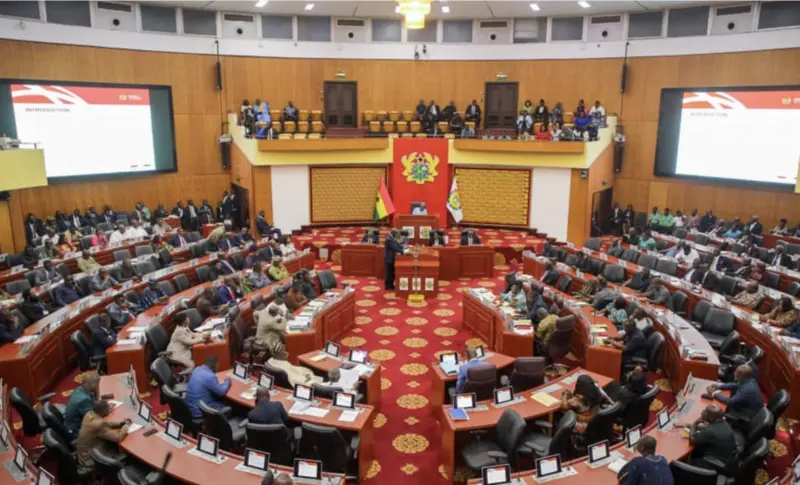
Image: MyJoyOnline
GhanaFront aggregates news from trusted sources. Click to read the original article.
Keywords
Explore related tagsMore from MyJoyOnline
Related Stories
More from Education
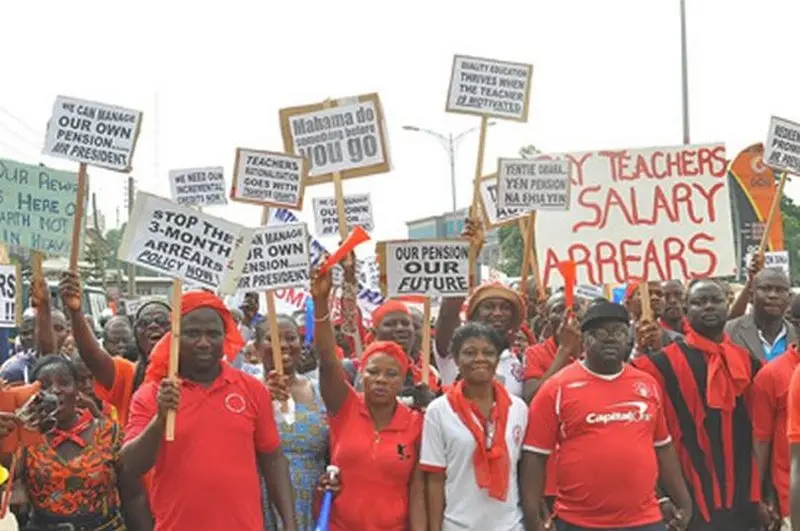
Aggrieved teachers demand payment of unpaid four-year legacy arrears
Teachers who waited years for pay from 2012-2015 now look to President Mahama with a familiar promise.
1d ago•2 min read