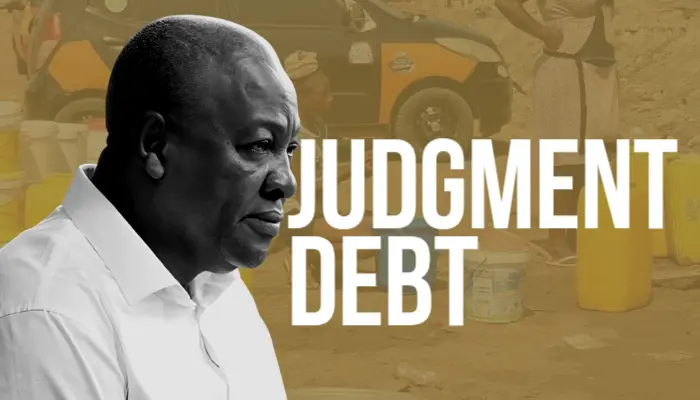
Overall government debt in sub-Saharan Africa stabilises but at high level - IMF
The global financial landscape has been turbulent in recent years, with sub-Saharan African nations facing unique challenges in navigating economic headwinds. International financial institutions have been closely monitoring the region, offering guidance and analysis on how governments can best manage their financial obligations. The delicate balance between securing necessary funding for development and maintaining sustainable debt levels is a constant concern for policymakers across the continent. The role of domestic debt markets in this equation is a subject of ongoing debate and scrutiny.
Ghana, like many of its neighbors, has grappled with the complexities of debt management. The country's economic history is intertwined with periods of significant borrowing, often aimed at financing ambitious infrastructure projects and social programs. However, the ability to effectively manage this debt has been a recurring challenge, impacting the nation's fiscal stability and its capacity to invest in crucial sectors. The reliance on external borrowing has made Ghana vulnerable to fluctuations in global interest rates and currency exchange rates, adding another layer of complexity to the situation. The development of robust domestic debt markets is seen by some as a potential solution to mitigate these risks, allowing the government to tap into local sources of funding and reduce its dependence on foreign capital. The effectiveness of this strategy, however, hinges on careful planning, transparent governance, and a broader economic strategy that fosters investor confidence.
The key players in this scenario include the Ghanaian government, particularly the Ministry of Finance and the Bank of Ghana, which are responsible for formulating and implementing debt management policies. International organizations such as the IMF and the World Bank also play a significant role, providing technical assistance and financial support to the country. The private sector, including local banks and investors, is another crucial stakeholder, as their participation in the domestic debt market is essential for its success. Tensions can arise between the need to secure funding for immediate development priorities and the imperative to maintain long-term debt sustainability. Balancing these competing demands requires careful negotiation and strategic decision-making. What's at stake is Ghana's ability to achieve sustainable economic growth, improve the living standards of its citizens, and maintain its credibility in the international financial community.
The ongoing discussions surrounding debt management in sub-Saharan Africa raise several important questions. How can governments in the region effectively balance the need for borrowing with the imperative of debt sustainability? What role should domestic debt markets play in this equation, and what are the key factors that determine their success or failure? What are the best practices for debt management, and how can countries ensure transparency and accountability in their borrowing activities? These are the questions that will likely shape the future of debt management in Ghana and the broader sub-Saharan African region. Understanding the nuances of these discussions is crucial for anyone seeking to grasp the economic challenges and opportunities facing the continent.
Quick Summary
The IMF reports that government debt in sub-Saharan Africa has stabilised after years of shocks. However, the cost of servicing this debt is climbing-hinting at pressure on national budgets.
Summary - read the full story for complete context.
Image: MyJoyOnline
GhanaFront aggregates news from trusted sources. Click to read the original article.
Keywords
Explore related tagsMore from MyJoyOnline
Related Stories
More from Business & Economy
Diesel could hit GH¢28 without government support - NPA CEO
What would diesel cost without government support? The NPA CEO explains the hidden subsidy behind current pump prices.
17 Sept•2 min read