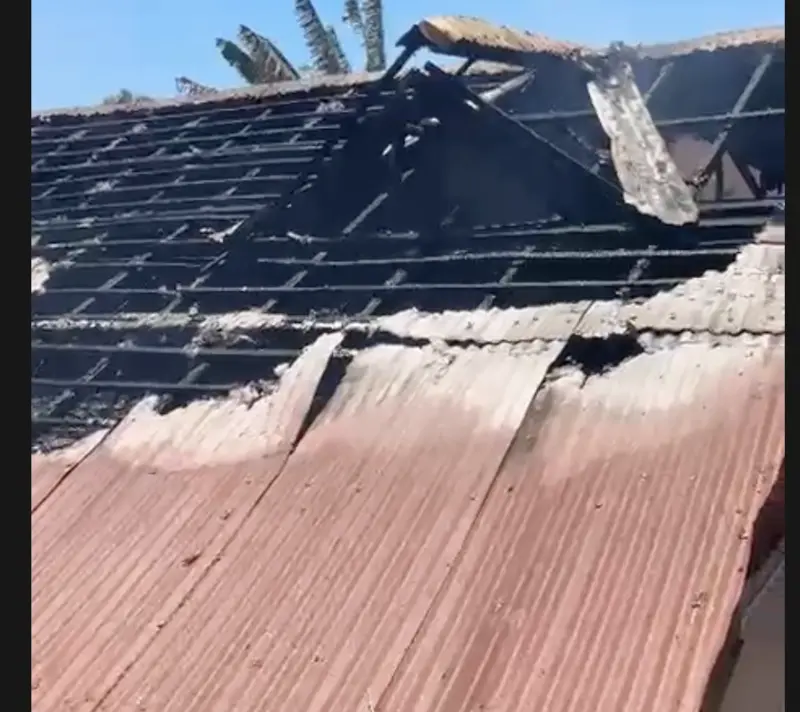
Over 12 cars destroyed as fire ravages mechanic shop at Magazine
The sprawling, informal vehicle repair hub known as "Magazine" in Kumasi is a microcosm of Ghana's entrepreneurial spirit and the challenges faced by its informal sector. Generations of mechanics, welders, electricians, and spare parts dealers have built their livelihoods within this bustling zone, transforming discarded vehicles into roadworthy machines and providing essential services to the nation's transportation network. The area is a testament to ingenuity and resourcefulness, a place where skills are passed down through apprenticeships and innovation is born out of necessity. However, Magazine also grapples with issues common to many informal settlements across Ghana - inadequate infrastructure, limited access to formal financing, and the ever-present threat of unforeseen disasters.
The automotive industry in Ghana, both formal and informal, plays a significant role in the country's economy. While there's a growing market for new and imported vehicles, a large segment of the population relies on used vehicles, often sourced from abroad. This creates a constant demand for repair and maintenance services, making places like Magazine vital for keeping Ghana moving. However, the informal nature of these operations often means they operate outside the regulatory framework, leading to concerns about safety standards, environmental practices, and the well-being of workers. The government has been exploring ways to formalize the sector, aiming to improve working conditions, boost tax revenue, and ensure compliance with environmental regulations, but striking a balance between regulation and fostering the entrepreneurial spirit remains a challenge.
The livelihoods of countless individuals and families depend on the continued operation of workshops in Magazine. Any disruption, be it from policy changes or unforeseen events, can have a ripple effect throughout the community. The Kumasi Metropolitan Assembly, local trade associations, and various stakeholders all have a vested interest in the area's stability and development. Tensions can arise from competing interests - the need for modernization versus the preservation of traditional skills, the desire for increased regulation versus the freedom of informal enterprise. Furthermore, the safety of workers and the surrounding environment are paramount concerns, requiring constant vigilance and proactive measures to mitigate risks.
The incident at Zone 11 raises critical questions about the safety protocols and infrastructure in place at Magazine. What measures are being taken to prevent similar incidents in the future? What support will be provided to those whose livelihoods have been affected? How will this event influence the ongoing discussions about formalizing the informal sector and improving safety standards? The answers to these questions will not only determine the immediate future of Magazine but also shape the broader conversation about the role of the informal sector in Ghana's economic development.
Quick Summary
A fire has ripped through an auto mechanic shop at Magazine New Road, Zone 11, near Akwasi Oppong. The blaze has left a trail of destruction in its wake - but what sparked this incident in the busy mechanical enclave?
Summary - read the full story for complete context.
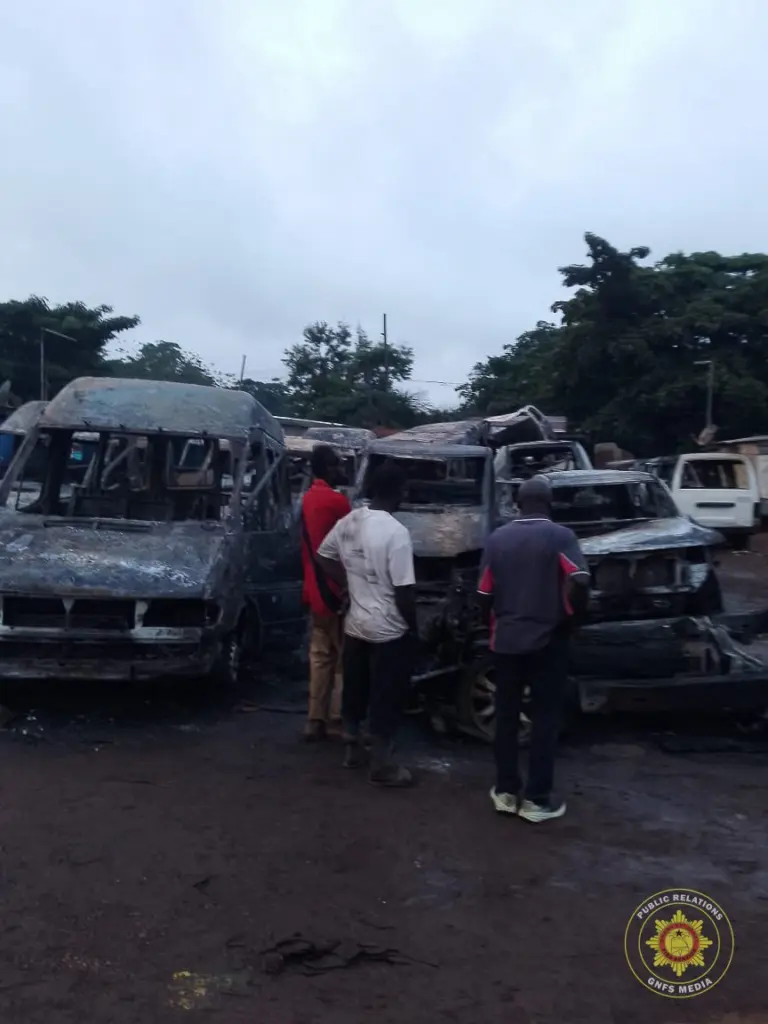
Image: Adom Online
GhanaFront aggregates news from trusted sources. Click to read the original article.
Keywords
Explore related tagsMore from Adom Online
Related Stories
More from Regional

Police arrest South African arriving from Accra with suspected heroin worth over GH¢1.4m
A routine arrival from Accra took a dramatic turn at a major airport - but what exactly did authorities find?
4d ago•