Older mangrove woods for smoking fish contain high levels of cancer-causing agents - KNUST study
The bustling fish markets of Ghana, particularly along the coast, are vibrant hubs of commerce and a crucial source of protein for many Ghanaians. The aroma of smoked fish hangs heavy in the air, a testament to a tradition passed down through generations. For many fishmongers, the choice of wood for smoking is not merely practical, but also integral to achieving the desired flavor and texture of their product. Certain types of wood are favored for their slow-burning qualities, imparting a distinct smoky taste that consumers have come to expect. The Volta Region, with its extensive lagoons and mangrove forests, has long been a significant source of both fish and the wood used to smoke it, creating a complex interplay between environmental resources and economic livelihoods.
Mangrove ecosystems play a vital role in Ghana's coastal environment, serving as nurseries for fish, protecting shorelines from erosion, and acting as carbon sinks. However, these delicate ecosystems face increasing pressure from various sources, including unsustainable harvesting practices. The demand for mangrove wood for smoking fish, coupled with other uses such as fuel and construction, has raised concerns about the long-term health and sustainability of these vital habitats. Balancing the economic needs of communities reliant on mangrove resources with the imperative to protect these ecosystems presents a significant challenge for policymakers and environmental advocates alike. The debate often centers on finding sustainable harvesting methods and exploring alternative fuel sources to alleviate pressure on mangrove forests.
The Kwame Nkrumah University of Science and Technology (KNUST), a leading institution of higher learning in Ghana, has a long history of conducting research relevant to national development. Its Department of Wood Science and Technology plays a crucial role in investigating the properties and sustainable utilization of timber resources. Researchers within the department are often at the forefront of examining the environmental and health implications of various wood-based practices, contributing valuable data to inform policy decisions. Their findings often spark discussions among stakeholders, including fishmongers, environmental organizations, and government agencies, about the need for responsible resource management and the adoption of safer practices.
The central question now revolves around the potential health risks associated with traditional fish smoking methods. What specific factors influence the levels of potentially harmful substances in smoked fish? How can fishmongers be empowered to adopt safer and more sustainable practices? What role can government regulations and public awareness campaigns play in mitigating these risks and ensuring the long-term health of both consumers and the environment? The answers to these questions will likely shape the future of fish smoking in Ghana and the management of its valuable mangrove ecosystems.
Quick Summary
KNUST researchers investigated mangrove wood used by fishmongers. Their 2026 study highlights potential dangers from a surprising source- but what did they find?
Summary - read the full story for complete context.
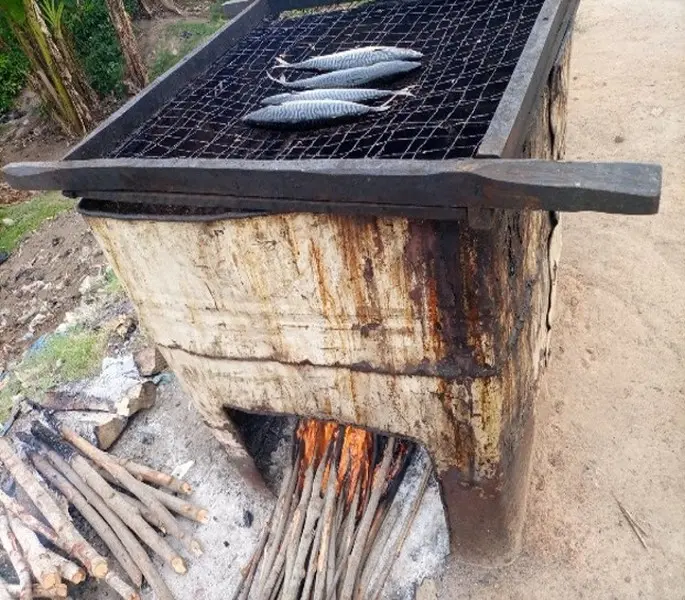
Image: Adom Online
Also covered by
GhanaFront aggregates news from trusted sources. Click to read the original article.
Keywords
Explore related tagsMore from Adom Online
Related Stories
More from Health

Quantum LC donates €75,000 state-of-the-art heater-cooler unit to National Cardiothoracic Centre
A major medical upgrade arrives at Ghana's heart surgery hub - but what does it mean for patients?
3d ago•