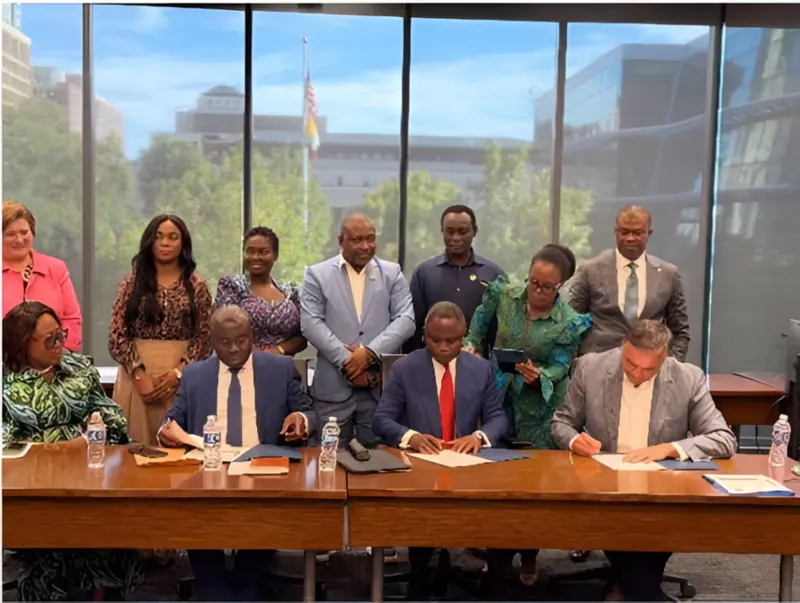
Oil marketers suffering from unstable pricing window - COMAC
The Ghanaian petroleum sector is a complex ecosystem involving numerous players, from international oil producers to local fuel retailers. At the heart of this system are the Oil Marketing Companies (OMCs), the entities responsible for importing, distributing, and selling fuel to consumers across the country. These companies operate within a regulated environment, subject to pricing mechanisms and oversight from various governmental bodies. Understanding the dynamics of this sector requires acknowledging the interplay between global market forces and domestic economic realities.
Ghana's fuel pricing has long been a sensitive issue, impacting everything from transportation costs to the cost of goods and services. Historically, the country has grappled with finding a balance between ensuring affordable fuel for its citizens and allowing OMCs to operate profitably. Fluctuations in global oil prices, coupled with exchange rate volatility, often create challenges for maintaining stable prices at the pumps. The government's role in regulating the sector has evolved over time, with various approaches adopted to mitigate the impact of external shocks on the domestic market. The introduction of a pricing window, designed to provide a framework for adjusting fuel prices periodically, aimed to bring transparency and predictability to the process. However, its effectiveness in buffering against extreme market volatility remains a subject of ongoing debate. The performance of the cedi against major currencies also plays a significant role, as fuel imports are typically denominated in US dollars, making the local market vulnerable to exchange rate fluctuations.
The Chamber of Oil Marketing Companies (COMAC) serves as a crucial voice for its members, advocating for policies that support the sustainability and growth of the downstream petroleum sector. The organization's leadership often engages with government officials and regulatory bodies to address industry concerns and propose solutions. The CEO of COMAC, Riverson Oppong, is a key figure in these discussions, representing the interests of OMCs and highlighting the challenges they face in navigating the complexities of the market. The National Petroleum Authority (NPA) is another key player, responsible for regulating the petroleum downstream industry, ensuring fair competition, and protecting consumer interests. Tensions can arise between the NPA and OMCs when regulatory decisions impact profitability or operational efficiency. Consumers, represented by various advocacy groups, also have a vested interest in fuel pricing, seeking affordable and stable prices that do not erode their purchasing power. The stakes are high, as the stability of the fuel market directly affects the broader economy and the livelihoods of ordinary Ghanaians.
Several questions remain unanswered regarding the future of fuel pricing in Ghana. Will the current pricing window be revised to better address periods of extreme volatility? What measures can be implemented to mitigate the impact of exchange rate fluctuations on fuel prices? How can the government balance the need to protect consumers with the need to ensure the financial viability of OMCs? These are the questions that industry stakeholders, policymakers, and consumers alike are grappling with. The answers will shape the future of Ghana's downstream petroleum sector and its contribution to the nation's economic development. The extent to which the authorities will consider COMAC's appeal and the potential implications for consumers and businesses are key aspects to monitor.
Quick Summary
COMAC reports that oil marketing companies in Ghana are facing challenges due to frequent changes in fuel prices - creating instability. The call for authorities to review the fuel pricing window hints at broader implications for the petroleum sector.
Summary - read the full story for complete context.

Image: MyJoyOnline
GhanaFront aggregates news from trusted sources. Click to read the original article.
Keywords
Explore related tagsMore from MyJoyOnline
Related Stories
More from Business & Economy

Development expert outlines blueprint to operationalise Ghana's 24-hour economy
Can a new blueprint unlock job creation and transform Ghana's economy amid a youth joblessness crisis?
2d ago•