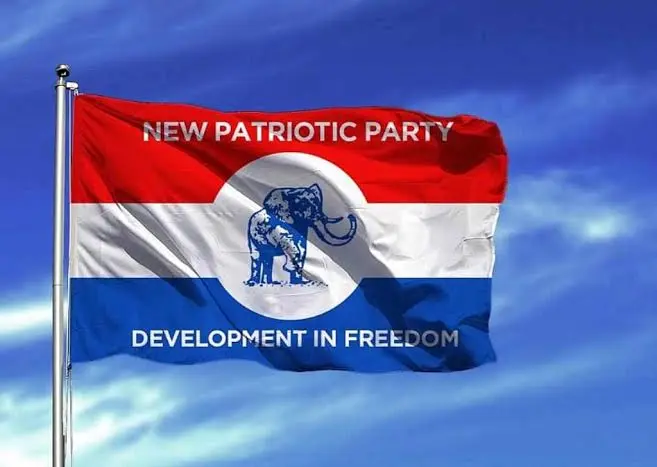
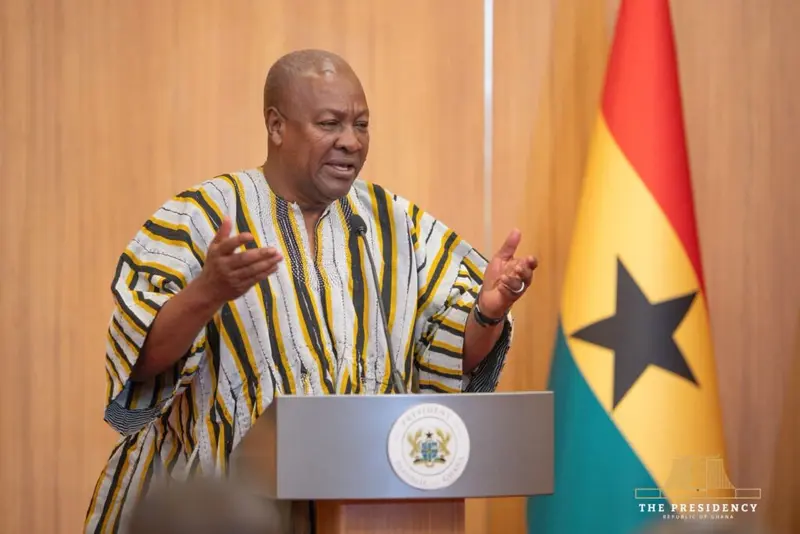
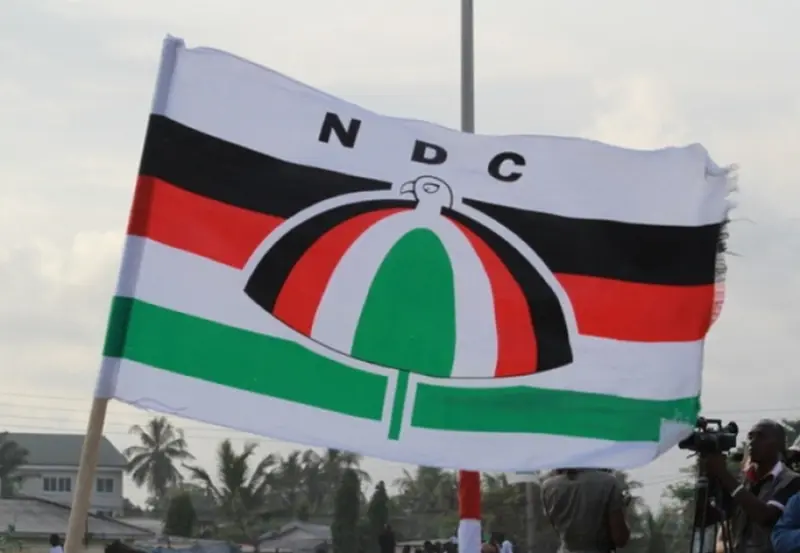
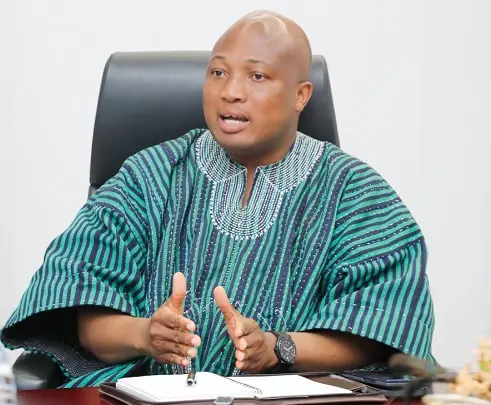
NPP MP Slams NDC's 'Curse of Majority' Over BoG Secrecy
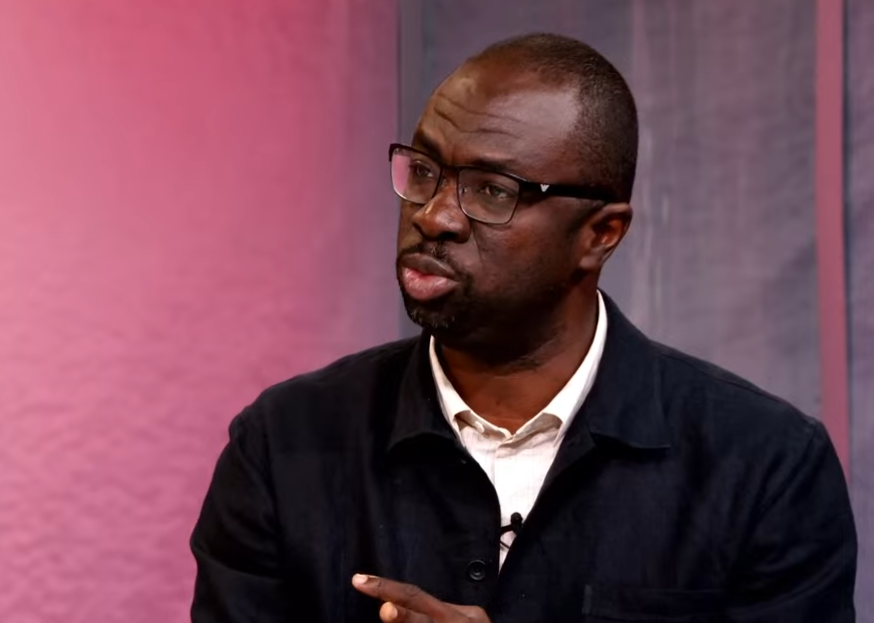
Image: GhanaFront Editorial
The "Curse of the Majority": Unpacking the NPP's Critique of the NDC
The political landscape in Ghana has witnessed a renewed clash over the fundamental principles of transparency and accountability in governance, spearheaded by strong assertions from the New Patriotic Party (NPP). At the heart of this dispute is a compelling accusation levelled against the governing National Democratic Congress (NDC): that their current parliamentary dominance has bred an alarming sense of unchecked power. Nana Agyei Baffour Awuah, the Member of Parliament representing the NPP, who also serves as the Vice-Chairman of Parliament's Subsidiary Legislation Committee and is a vital member of the Constitutional and Legal Affairs Committee, has publicly condemned the NDC for abandoning the very reformist ideals they passionately championed while in opposition.
Speaking with conviction during an appearance on the prominent political talk show, JoyNews' Newsfile, on Saturday, July 18, Mr Awuah articulated a deep concern regarding the trajectory of the current Parliament under NDC leadership. He introduced a striking phrase into the national political discourse, declaring that the NDC is currently suffering from what he vividly described as the "curse of majority." According to the astute legislator, this affliction has severely compromised the governing party's commitment to the democratic tenets of open governance and administrative scrutiny.
"I want to make an appeal to my friends in the Majority, the NDC. They seem to be suffering from the curse of the majority in Parliament," Mr Awuah stated emphatically during the broadcast. "That curse makes you think that you can do anything because you think you have the power."
The core argument presented by the NPP Member of Parliament is that the governing NDC is systematically perpetuating the very same political practices and institutional habits that they vehemently criticised and campaigned against during their time sitting on the Minority side of the House. He suggested that the intoxicating effect of holding the numerical advantage has caused the NDC leadership to completely forget about the comprehensive reset and the elevated standards of governance that they had solemnly promised the Ghanaian electorate prior to assuming power.
The Bank of Ghana Controversy: The Catalyst for the Dispute
The immediate catalyst for Mr Awuah's scathing remarks was the highly controversial decision by the NPP Minority to officially boycott a scheduled parliamentary engagement with the Governor of the Bank of Ghana (BoG). The crux of the disagreement lay in the format of the meeting. The NDC Majority had insisted on conducting the session behind closed doors, completely shielded from the scrutiny of the media and the wider public. The Minority, on the other hand, staunchly maintained that there was absolutely no justifiable legal or ethical basis for holding such a critical accountability session in camera.
Mr Awuah elaborated on the Minority's principled stance, explaining that the objective of summoning the Governor was to seek answers regarding national economic management and specific fiscal policies. Crucially, he pointed out that the comprehensive responses expected from the Governor were, in fact, already contained within official documents that were readily accessible to the general public. Therefore, the deliberate exclusion of the media appeared not only unnecessary but highly suspicious.
- The dispute centres on whether Parliament should hear the Bank of Ghana Governor in public or behind closed doors.
- The NPP Minority argues the answers were already in public documents.
- Mr Awuah says the NDC once demanded televised scrutiny of the central bank while in opposition.
"The other paper that contains the answers is a public document, and the media can take hold of it. So if the answers were already in public documents, what's the point of not allowing the media to be there?" he challenged the Majority, highlighting the logical inconsistency in their demand for extreme secrecy.
A Double Standard in Parliamentary Precedent
To further underscore the perceived hypocrisy of the current NDC Majority, the Vice-Chairman of the Subsidiary Legislation Committee drew a sharp contrast between their present actions and a significant historical precedent established by the NDC themselves when they occupied the opposition benches. He recalled a previous, highly publicized parliamentary scrutiny exercise involving the construction of the Bank of Ghana's new, multi-million-dollar headquarters.
During that specific period, the then-Minority NDC Members of Parliament were uncompromising in their demands for absolute transparency. Led by the then-Minority Chief Whip, Mahama Ayariga, the NDC unequivocally insisted that the Governor's appearance before the parliamentary committee must be broadcast live on national television. Their stated rationale at the time was a firm belief that a public, televised hearing would expose alleged financial wrongdoing and administrative malfeasance associated with the execution of the state contract.
However, as Mr Awuah astutely noted, that particular demand for a live broadcast ultimately backfired on the NDC's political strategy. The Governor's comprehensive testimony and the subsequent presentation of documentary evidence during the open hearing served to unequivocally confirm the transparency and integrity with which the entire headquarters construction contract had been executed.
"When the Bank of Ghana Governor came, they had egg on their faces because their expectations had been disappointed. He actually came to confirm the transparency with which the whole contract was executed," Mr Awuah recounted, highlighting the irony of the situation.
Given this clear and established precedent of demanding televised hearings for matters involving the central bank, the NPP MP questioned the underlying motives of the current Majority in actively rejecting calls for a similarly open and transparent process. "If you had already set the precedent of having a televised Committee of the Whole meeting with the Bank of Ghana, why then do you deny the Minority the request?" he asked, pointing to a blatant double standard in the application of parliamentary oversight mechanisms.
Dismissing Claims of National Security Sensitivity
In anticipation of potential counterarguments defending the closed-door approach, Mr Awuah systematically dismantled the suggestion that the latest hearing required secrecy due to the sensitive nature of the topics under discussion. There had been assertions that the meeting would delve into highly confidential matters relating to Ghana's foreign exchange reserves and the central bank's strategic interventions in the currency market, thereby necessitating an in-camera session to protect national economic security.
The NPP legislator maintained a firm stance that this justification was fundamentally flawed. He reiterated his central point that the substantive information, the crucial data points, and the official answers pertaining to these economic indicators had already been made available in the public domain through official publications and statutory reports. Therefore, the veil of secrecy was an artificial construct rather than a genuine necessity to protect the state.
"The answers had already been provided, and the answers were in a public document. Therefore, there was no secrecy that made it necessary to hold the hearing in camera. The basis was not there," he stated categorically, leaving no room for ambiguity regarding the Minority's official position on the matter.
Beyond Partisan Politics: A Duty to the Ghanaian People
The critique delivered by Mr Awuah was not limited to the collective actions of the NDC Majority; it also targeted individual members who had been particularly vocal during the controversy. He specifically addressed recent comments made by the Bolgatanga Central Member of Parliament, Isaac Adongo. Mr Awuah suggested that Mr Adongo, a prominent voice on economic matters for the NDC, appeared to have suffered a convenient lapse in memory regarding the core values and reformist promises the party had championed while operating from the opposition benches.
"He had forgotten where he was. Not long ago, he was in opposition. He was in the Minority and had promised Ghanaians that they were going to do things differently," Mr Awuah remarked, pointing to the rapid shift in perspective that often accompanies a transition from parliamentary opposition to holding the reins of government.
In his concluding remarks, the Vice-Chairman of the Subsidiary Legislation Committee sought to elevate the discourse above the fray of routine partisan bickering. He delivered a powerful reminder of the fundamental purpose of parliamentary oversight, emphasizing that the rigorous scrutiny of the executive branch and state institutions must never be reduced to a mere political football match between the New Patriotic Party and the National Democratic Congress.
He insisted that the actions taken by the Minority, including the controversial boycott of the secret Bank of Ghana meeting, are ultimately driven by a constitutional duty to protect the overarching interests of all Ghanaian citizens, regardless of their political affiliations or ethnic backgrounds.
"We only stand in the gap for the people of this country. When you are addressing them, we shouldn't make it seem as though we are reduced to a match between the NPP and NDC," Mr Awuah asserted passionately. "What we are asking for, we ask for on behalf of Ghanaians, and they should be addressed accordingly."
More from GhanaFront Editorial
Related Stories
More from Politics
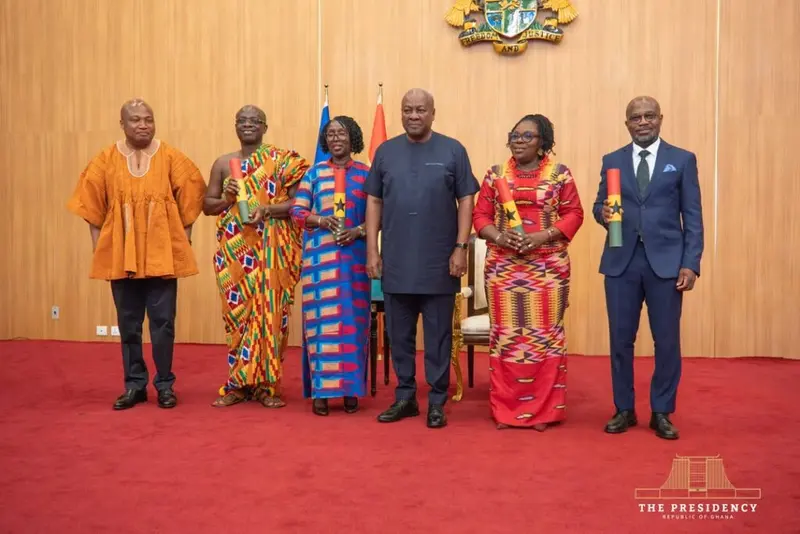
Mahama charges new ambassadors to prioritise trade, investment and welfare of Ghanaians abroad
New envoys get a clear mandate - but what specific targets must they hit to succeed?
11h ago•