Nitiwul raises concerns over criteria and funding for security recruitment
Dominic Nitiwul, the former Defence Minister and current Member of Parliament for Bimbilla, has recently weighed in on the ongoing recruitment process within Ghana's security services. His commentary focuses on the factors contributing to the surge in applicant numbers and the potential financial implications for the government. The former minister's intervention raises pertinent questions about the long-term sustainability and strategic planning behind this large-scale recruitment drive.
Ghana's security sector recruitment has historically been a closely watched process, reflecting the nation's commitment to maintaining stability and addressing internal security challenges. The youth unemployment rate in Ghana is a significant concern, often cited as a potential source of social unrest. Government initiatives aimed at creating jobs, particularly within the security services, are therefore met with considerable public interest and scrutiny. Past recruitment exercises have faced criticism regarding transparency, regional balance, and the overall effectiveness of training programs. The current economic climate, marked by fiscal constraints and competing demands on public resources, adds another layer of complexity to the debate surrounding security sector funding. Therefore, any potential changes to long-standing recruitment policies and the financial burden they place on the national budget are topics of intense debate.
The key players in this scenario are multifaceted. The Finance Minister faces the challenge of allocating resources effectively across various sectors, while balancing the need for security enhancements with other pressing developmental priorities. The leadership of the security services is tasked with ensuring that the recruitment process is fair, transparent, and yields high-quality candidates capable of addressing evolving security threats. The broader Ghanaian public, especially the youth seeking employment opportunities, has a vested interest in the accessibility and integrity of the recruitment process. The tension lies in balancing the desire to create jobs with the need to maintain high standards within the security services and ensuring that the recruitment is adequately funded. The stakes are high: a poorly planned or underfunded recruitment drive could undermine the effectiveness of the security services and exacerbate existing socio-economic challenges.
Several crucial questions remain unanswered. How will the government ensure that the increased number of recruits receive adequate training and resources to effectively perform their duties? What impact will the policy changes regarding age limits and academic requirements have on the overall quality and competence of the security services? Will the allocated budget be sufficient to cover the costs associated with the expanded recruitment, including training, equipment, and long-term salaries? How does this recruitment drive align with a broader, long-term strategy for addressing youth unemployment and national security concerns? These are the open questions that Ghanaians are seeking answers to, as they assess the potential benefits and risks of this significant development in the security sector.
Quick Summary
Dominic Nitiwul has voiced concerns regarding the ongoing recruitment process into Ghana's security services. He questions the criteria used and whether the government is financially prepared for the new recruits - leaving many to wonder about the implications.
Summary - read the full story for complete context.
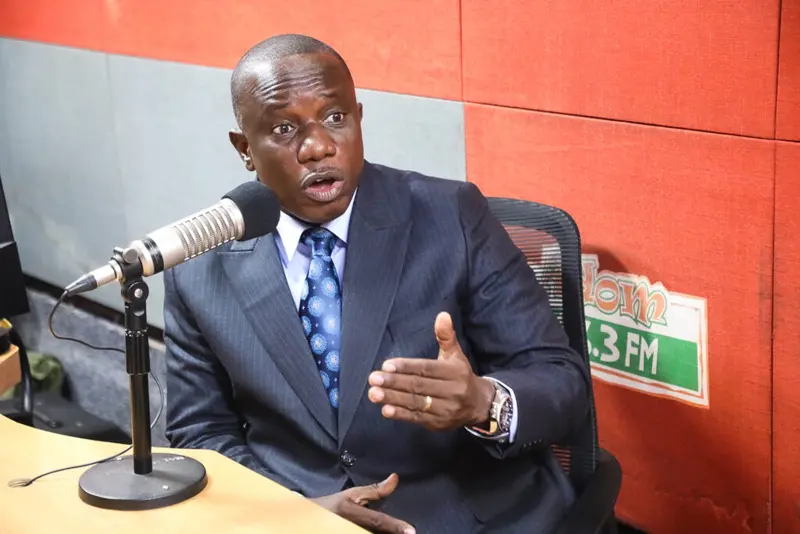
Image: Adom Online
GhanaFront aggregates news from trusted sources. Click to read the original article.
Keywords
Explore related tagsMore from Adom Online
Related Stories
More from Politics

NPP communications officer alleges attack over Ahafo Ano Southwest market project
What happened when he went to record the site - and why were the suspects released?
21h ago•