New Road Traffic Law requires drivers to arrange towing within 30 minutes - NRSA Boss
Abraham Amaliba, a prominent figure within the National Road Safety Authority (NRSA), has been at the forefront of advocating for enhanced road safety measures in Ghana. The NRSA, as the lead agency responsible for promoting road safety, plays a crucial role in shaping policies and regulations aimed at reducing accidents and improving the overall transportation landscape. The discussions surrounding road safety often involve various stakeholders, including government agencies, insurance companies, transport unions, and the general public, each with their own perspectives and concerns. These conversations frequently center on the practical challenges of implementing new regulations and ensuring compliance across the country.
Ghana's road safety record has been a persistent concern, with statistics consistently highlighting the need for improvement. Factors contributing to this include inadequate infrastructure, reckless driving behavior, and the presence of poorly maintained vehicles on the roads. The economic impact of road accidents is significant, affecting productivity, healthcare costs, and overall development. Addressing these challenges requires a multi-faceted approach that encompasses stricter enforcement of traffic laws, public education campaigns, and investments in road infrastructure. The introduction of new technologies and innovative solutions is also being explored to enhance road safety management and response capabilities. The evolution of transportation in Ghana, particularly the increasing popularity of commercial motorcycle operations, has further complicated the road safety landscape, necessitating a review of existing regulations and the development of appropriate frameworks.
The key players in this unfolding narrative include the NRSA, tasked with leading the charge in improving road safety; the National Insurance Commission (NIC), responsible for regulating the insurance industry and ensuring its readiness to support new road safety initiatives; and various insurance companies, poised to potentially play a pivotal role in providing towing services and other related assistance. Tensions may arise from the potential costs associated with new regulations, the logistical challenges of implementing them effectively, and the need to balance safety concerns with the economic realities of vehicle owners and transport operators. What's at stake is the potential for significant improvements in road safety, a reduction in traffic congestion, and a more efficient and reliable transportation system for all Ghanaians.
Several open questions remain as this story develops. How will the proposed policy be received by the public, particularly vehicle owners who may face additional costs? What mechanisms will be put in place to ensure fair pricing and quality service from towing providers? How will the NRSA address the challenges of enforcement and compliance, especially in remote areas? What role will technology play in facilitating the implementation of the policy and improving response times? The answers to these questions will undoubtedly shape the future of road safety in Ghana and determine the success of this ambitious initiative.
Quick Summary
The NRSA is planning to implement a new road safety policy alongside the Road Traffic (Amendment) Bill, 2025. The policy will require drivers to subscribe to towing services - but what could this mean for commuters?
Summary - read the full story for complete context.
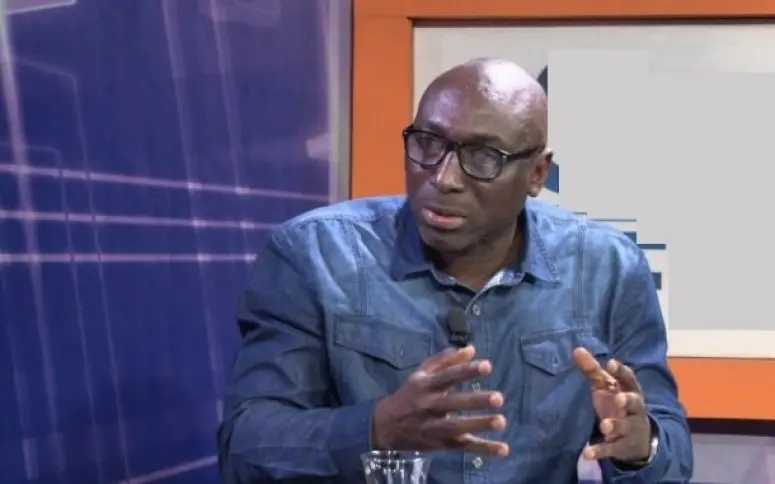
Image: Adom Online
GhanaFront aggregates news from trusted sources. Click to read the original article.
Keywords
Explore related tagsMore from Adom Online
Related Stories
More from Regional
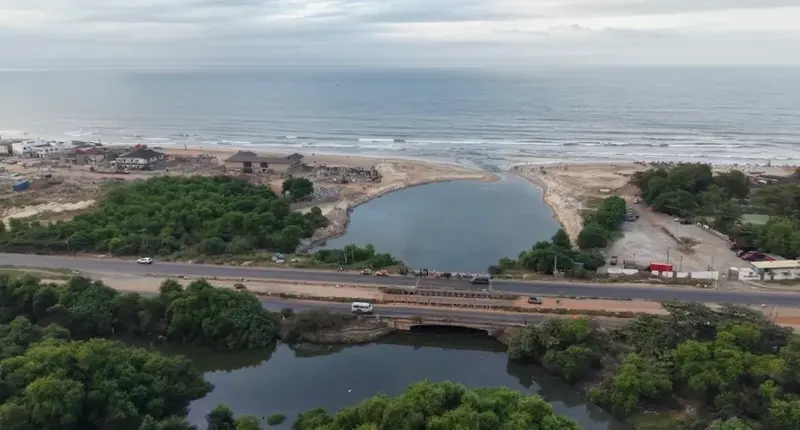
Laboma demolition: Kpeshie Lagoon to undergo ecological restoration after exercise
What will happen to the reclaimed land at Kpeshie Lagoon after the demolition exercise?
6h ago•2 min read

Four face court over alleged illegal sand winning, crop damage
What happened when landowners confronted the accused over damaged property and crops?
6h ago•3 min read
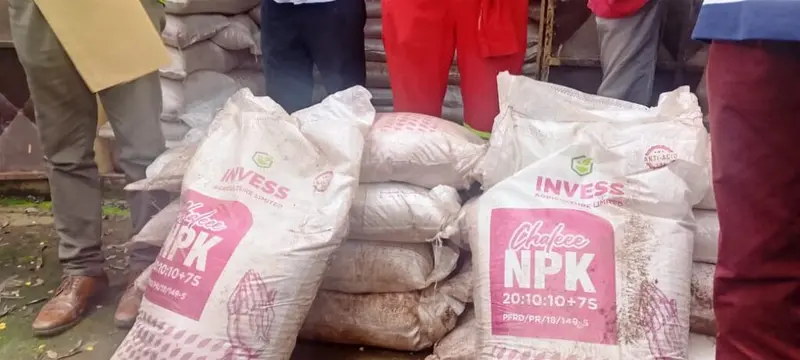
Nkwanta South farmers receive 1,000 bags of fertilizer to boost food production
Why is this fertilizer distribution being called both timely and essential for Nkwanta South's farming community?
11h ago•2 min read
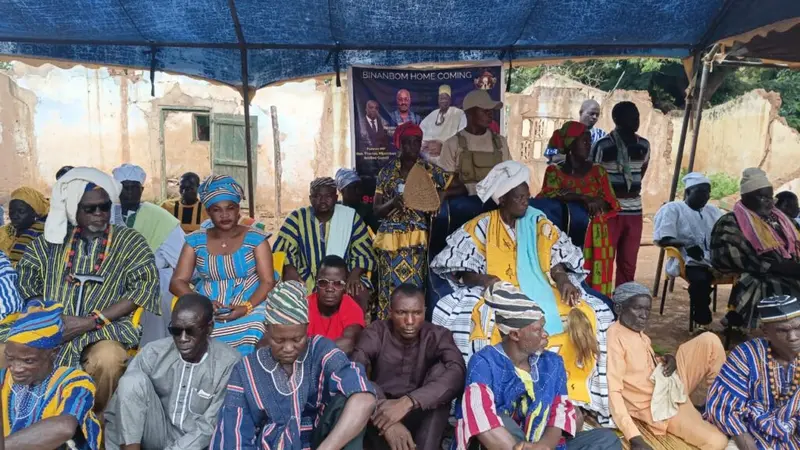
AIB Commissioner John Wumboriti joins his kinsmen for Binanbom 4th Homecoming
A government official returns home for a cultural festival - but his warning to the youth may set the tone for the community's next steps.
14h ago•2 min read