Muntaka details how TrybeNet was selected for security recruitment services
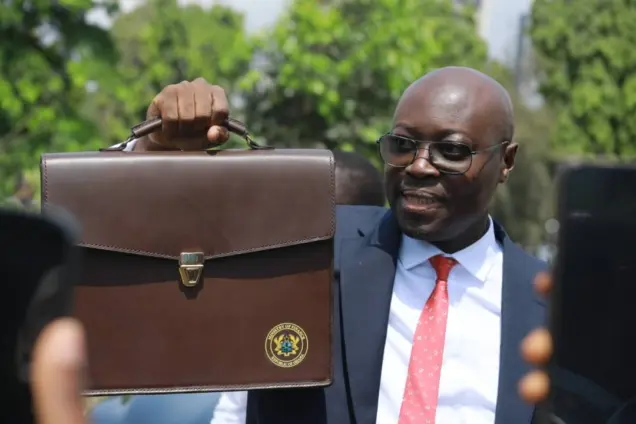
The Ministry of Interior in Ghana plays a crucial role in maintaining internal security and public safety. Overseeing agencies like the Ghana Police Service, Ghana Immigration Service, Ghana National Fire Service, and Ghana Prisons Service, the Ministry is responsible for policy direction, resource allocation, and ensuring the effective functioning of these vital institutions. Mohammed-Mubarak Muntaka, the current Minister of the Interior, is a prominent figure in Ghanaian politics, known for his long tenure as a Member of Parliament and his involvement in various parliamentary committees. The selection of service providers for government contracts is a process that often attracts public scrutiny, especially when it involves sensitive areas like national security.
Ghana's security services have faced increasing pressure to modernize their operations and enhance their capabilities in recent years. This push for modernization includes adopting technological solutions to improve efficiency and transparency in various processes, including recruitment. The recruitment process for these agencies has historically been plagued by allegations of corruption, nepotism, and regional imbalances, leading to calls for reforms to ensure fairness and meritocracy. The use of technology to manage recruitment is seen as a potential solution to address these challenges, by automating processes, reducing human intervention, and providing a more transparent and auditable system. However, the implementation of such systems also raises concerns about data security, platform reliability, and the potential for algorithmic bias. The Public Procurement Authority (PPA) plays a key role in ensuring that government procurement processes are fair, transparent, and compliant with regulations.
The selection of TrybeNet, a technology company, to handle recruitment for Ghana's security services has brought several key players into the spotlight. The Minister of Interior, Mohammed-Mubarak Muntaka, is at the center of this issue, as he is responsible for overseeing the selection process and ensuring that it aligns with government policies and regulations. The leadership of the various security agencies, including the Inspector General of Police, the Comptroller-General of Immigration, the Chief Fire Officer, and the Director-General of Prisons, are also stakeholders in this process, as they are ultimately responsible for the personnel recruited into their respective services. Civil society organizations and media outlets are also playing a crucial role in scrutinizing the selection process and raising concerns about transparency and accountability. The stakes are high, as the integrity and effectiveness of Ghana's security services depend on the quality of personnel recruited. Any perceived irregularities in the recruitment process could undermine public trust and confidence in these institutions.
Several open questions remain regarding the selection of TrybeNet and the implementation of the new recruitment system. How will the system address concerns about data security and privacy, given the sensitive nature of the information involved? What measures are in place to ensure that the aptitude tests are fair and unbiased, and that they accurately assess the skills and abilities required for the job? How will the Ministry of Interior and the security agencies ensure that the new system does not inadvertently exclude qualified candidates from certain regions or socio-economic backgrounds? What mechanisms are in place to monitor the performance of TrybeNet and hold them accountable for delivering on their promises? The answers to these questions will be crucial in determining the long-term success of the new recruitment system and its impact on Ghana's security services.
Quick Summary
Interior Minister Muntaka explained how TrybeNet was selected to handle recruitment for Ghana's security services- after a competitive presentation process. The minister claims the new system minimizes interference- but what does that mean for the future of security recruitment?
Summary - read the full story for complete context.
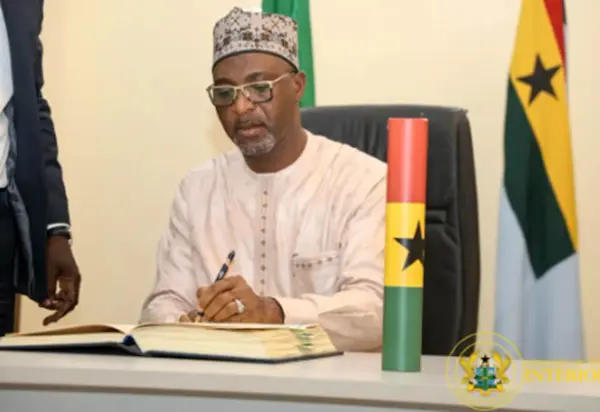
Image: GhanaWeb
GhanaFront aggregates news from trusted sources. Click to read the original article.
Keywords
Explore related tagsMore from GhanaWeb
Related Stories
More from Politics

Atta Akyea: Prosecution Failed To Link GH¢49.1m To Adu-Boahene's Properties, Vehicles
Prosecution admits no direct payments traced to key property - so where did the money go?
23h ago•