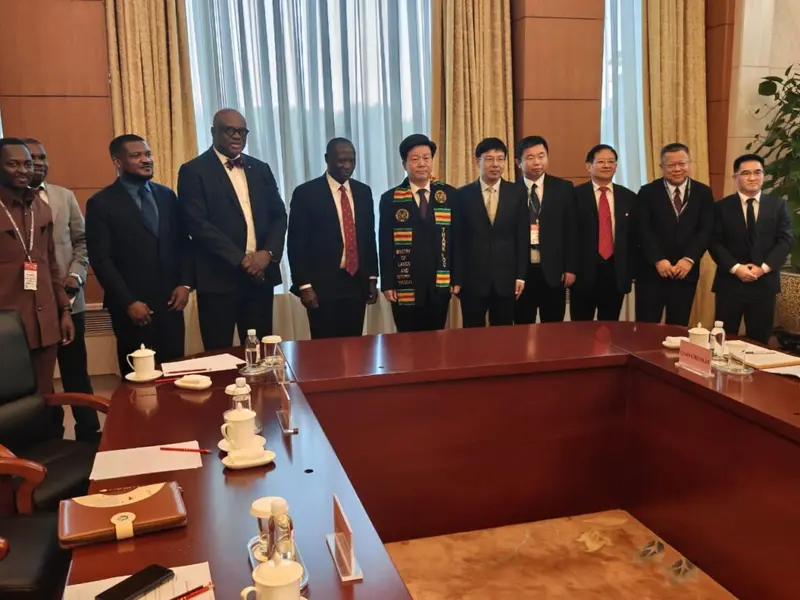
MoH cracks down on over-enrolment in health training institutions
The Ghanaian healthcare sector is a complex ecosystem, constantly striving to balance the increasing demand for services with the resources available. Training institutions play a vital role in this balance, serving as the pipeline for future healthcare professionals who will ultimately serve the nation. The Ministry of Health (MoH), as the governing body, holds significant sway over these institutions, responsible for setting standards, approving curricula, and ensuring the quality of education provided. Key figures within the MoH, including the Minister, are frequently in the public eye, navigating the challenges of a rapidly evolving healthcare landscape. The inauguration of governing boards for health training institutions is a routine, yet important, event, marking a formal step in overseeing the administration and strategic direction of these critical establishments.
Ghana's healthcare system faces numerous pressures. A growing population, coupled with an increasing prevalence of both communicable and non-communicable diseases, puts a strain on existing infrastructure and personnel. Historically, there has been a persistent challenge in equitably distributing healthcare professionals across the country, with rural areas often underserved. This has led to calls for increased investment in training and recruitment, as well as strategies to retain healthcare workers in less desirable locations. Furthermore, the global demand for skilled healthcare workers from Ghana has intensified in recent years. This "brain drain" presents a double-edged sword - while it offers opportunities for Ghanaian professionals abroad, it also risks depleting the local workforce and exacerbating existing shortages. The training curriculum itself is also under constant scrutiny, with stakeholders pushing for updates to reflect the latest advancements in medical science and global health trends.
The stakes are high for all involved. For the MoH, maintaining the quality of healthcare education is paramount to ensuring a competent and reliable workforce capable of meeting the nation's health needs. Over-enrolment in training institutions, while potentially addressing short-term demand, could compromise the quality of training and ultimately lead to less-qualified graduates. The health training institutions themselves face the challenge of balancing their desire to expand access to education with the need to adhere to established standards and resource constraints. Governing boards play a crucial role in navigating these competing priorities and ensuring the long-term sustainability of their institutions. Prospective students and their families also have a vested interest, seeking assurance that their investment in education will lead to meaningful employment opportunities and a fulfilling career in healthcare. Tensions can arise when institutions are perceived to be prioritizing revenue generation over educational quality, or when the government is seen as failing to provide adequate support for training and employment.
Several open questions remain regarding the future of health training in Ghana. What specific sanctions will be imposed on institutions that violate admission regulations? How will the MoH ensure that training programs are adequately aligned with the evolving needs of both the local and international healthcare markets? What measures will be implemented to retain skilled healthcare professionals within Ghana, particularly in underserved areas? And how will the government address the growing demand for training in the management of non-communicable diseases? These are just some of the critical issues that will shape the direction of health training in Ghana in the years to come.
Quick Summary
The Ministry of Health is engaging with health training institutions on student enrolment. The Ministry is focused on maintaining standards - but some institutions may not be following the rules.
Summary - read the full story for complete context.
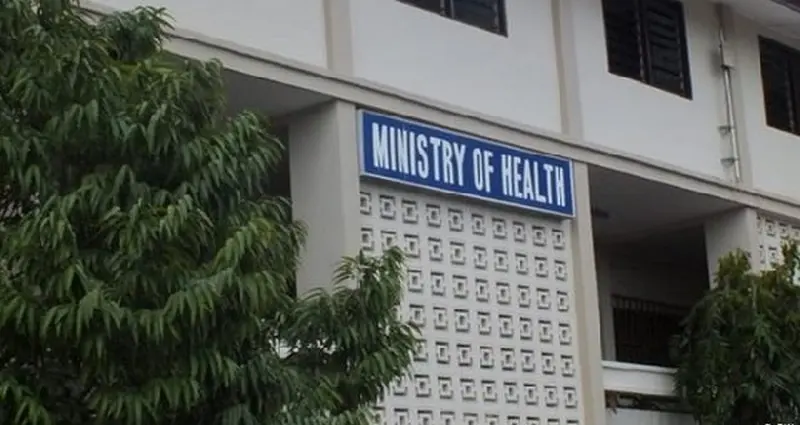
Image: Adom Online
GhanaFront aggregates news from trusted sources. Click to read the original article.
Keywords
Explore related tagsMore from Adom Online
Related Stories
More from Health

Urologist debunks claim that regular ejaculation prevents prostate cancer
What if a popular prostate cancer prevention tip is not backed by science?
1d ago•2 min read