MoFA audit: Tonnes of rice, maize missing; 2 ghost companies paid GH¢24m
Ghana's agricultural sector is often at the heart of political and economic discussions, particularly concerning food security and efficient resource management. The Ministry of Food and Agriculture (MoFA) plays a pivotal role in shaping policies and implementing programs aimed at boosting agricultural productivity and ensuring that food reaches those who need it most. Several individuals within MoFA are entrusted with significant responsibilities, including overseeing procurement processes, managing grain distribution, and maintaining accurate records of stock levels. These roles are critical for the smooth functioning of the ministry and the effective execution of its mandate. The Registrar General's Department (RGD) is another key institution, responsible for registering companies and ensuring their compliance with the Companies Act. This registration process is fundamental for establishing the legal standing of businesses and enabling them to engage in legitimate transactions.
Ghana's history is punctuated with efforts to strengthen its agricultural base, recognizing its importance for economic growth and social stability. The country has often grappled with challenges such as fluctuating weather patterns, which can significantly impact crop yields and necessitate interventions to support vulnerable farming communities. In recent years, there has been a growing emphasis on transparency and accountability in government operations, with increased scrutiny of public spending and contract awarding processes. This focus stems from a desire to ensure that resources are used effectively and that corruption is minimized. The Auditor-General's office plays a vital role in this regard, conducting audits to assess the financial integrity of government institutions and identify any irregularities or discrepancies. The National Disaster Management Organisation (NADMO) is also a crucial entity, tasked with coordinating disaster relief efforts and providing assistance to communities affected by natural disasters or other emergencies.
The stakes are high for all involved. The chief procurement officer at MoFA is under intense pressure to explain discrepancies and ensure that procurement processes are followed diligently. The reputations of individuals within MoFA, as well as the ministry itself, are on the line, as any findings of wrongdoing could have serious consequences. The RGD faces scrutiny to ensure that its registration processes are robust and that it effectively prevents unregistered entities from engaging in business activities. The Auditor-General's office is under pressure to conduct thorough and impartial audits, providing accurate information to the public and holding those responsible for any misconduct accountable. The management of Sikakrobea Company Limited, a warehouse operator, finds itself caught in the middle, navigating conflicting claims and trying to protect its own interests. Danaasi Farms and Rans Company Ltd, the companies in question, are at the center of the storm, with their legitimacy and business practices under intense examination.
Several open questions remain. What exactly happened to the missing tonnes of rice and maize? How did unregistered companies manage to secure contracts with MoFA? What were the motivations behind the unusual payment of a transport firm with rice instead of cash? What will be the repercussions for those found responsible for any wrongdoing? The answers to these questions will undoubtedly shape public perception of MoFA and the government's commitment to transparency and accountability. The public will be keen to see how the authorities respond to the findings of the audit and whether any measures will be taken to prevent similar incidents from occurring in the future. The unfolding story promises to be a significant test of Ghana's governance structures and its ability to ensure that public resources are used effectively for the benefit of all citizens.
Quick Summary
A special audit has uncovered potential malfeasance at the Ministry of Food and Agriculture (MoFA) - involving missing grains and questionable contracts. The details raise concerns about oversight and accountability in a critical sector.
Summary - read the full story for complete context.
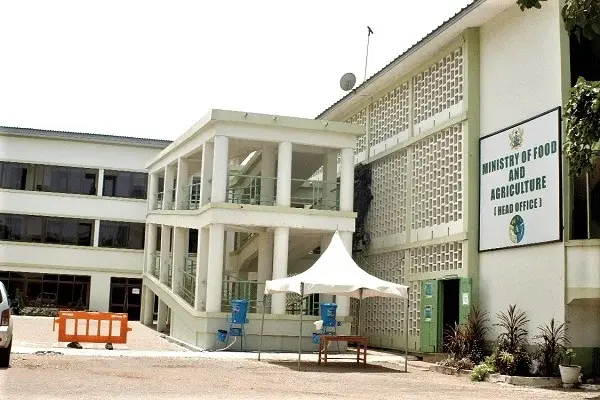
Image: Adom Online
GhanaFront aggregates news from trusted sources. Click to read the original article.
Keywords
Explore related tagsMore from Adom Online
Related Stories
More from Politics

NPP communications officer alleges attack over Ahafo Ano Southwest market project
What happened when he went to record the site - and why were the suspects released?
20h ago•