Minority urges government to pay outstanding UK scholarship fees
The issue of Ghanaian students pursuing higher education abroad, particularly in the United Kingdom, is a recurring theme in our national discourse. These individuals, often recipients of government scholarships, represent a significant investment in the nation's future, expected to return home and contribute their expertise to various sectors. The process of securing these scholarships is competitive, and the selected students are typically among the brightest and most promising minds Ghana has to offer. Their academic journeys are not only personal achievements but also reflect on Ghana's commitment to human capital development. The smooth continuation of their studies is therefore of paramount importance.
Ghana's relationship with the UK, particularly in education, has deep historical roots. Many of the nation's early leaders and professionals received their training in British institutions. This legacy has fostered a strong tradition of Ghanaian students seeking advanced degrees in the UK, often with the support of government scholarships designed to address critical skills gaps within the country. These scholarships are intended to cover tuition fees, living expenses, and other associated costs, enabling students to focus on their studies without undue financial burden. Delays or disruptions in scholarship payments can therefore have a significant impact, potentially jeopardizing their academic progress and future contributions to Ghana. The timely disbursement of these funds is crucial for maintaining the integrity of the scholarship program and ensuring its intended outcomes.
The key players in this situation include the Ghanaian government, specifically the Scholarship Secretariat responsible for managing and disbursing scholarship funds, the students themselves who are directly affected by any payment delays, and the UK educational institutions hosting these students. Tensions can arise when there are discrepancies between the expected funding and the actual disbursement, leading to financial strain on the students and potential complications with their visa status in the UK. The stakes are high, as the academic success and well-being of these students are directly linked to Ghana's long-term development goals. Failure to address these issues promptly could damage Ghana's reputation as a reliable partner in international education and discourage future collaborations.
Several questions remain unanswered, driving the need for further investigation. What specific factors are contributing to the delays in scholarship payments? What measures are being taken to address the immediate needs of the affected students and prevent similar situations in the future? What is the long-term plan to ensure the sustainability and effectiveness of government scholarship programs for Ghanaian students studying abroad? Understanding the answers to these questions is essential for ensuring that Ghana continues to benefit from the expertise and knowledge gained by its students studying in the UK.
Quick Summary
The Minority in Parliament is calling on the government to address unpaid fees for Ghanaian students on UK scholarships. Students are facing potential deportation - but what's the full story?
Summary - read the full story for complete context.
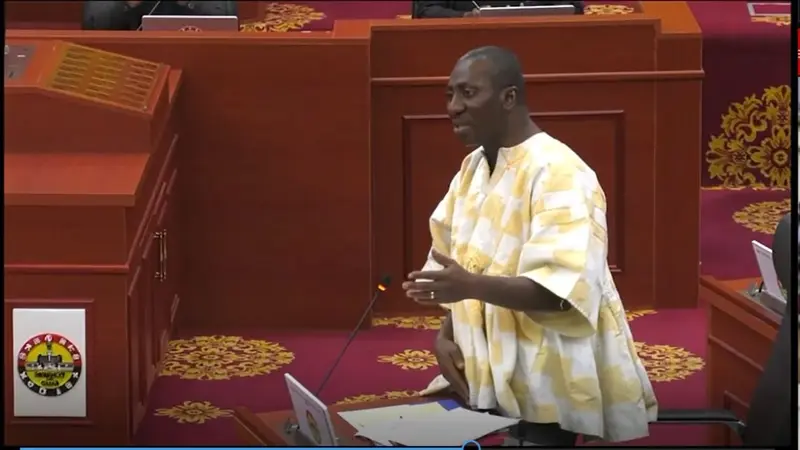
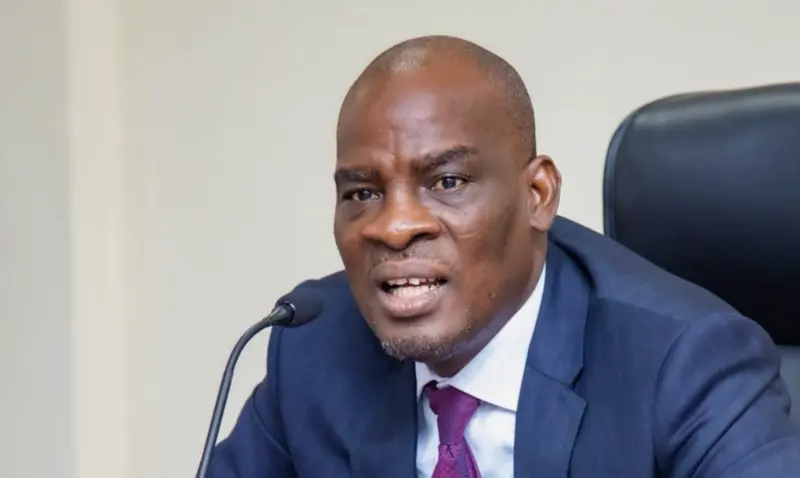
Image: MyJoyOnline
GhanaFront aggregates news from trusted sources. Click to read the original article.
Keywords
Explore related tagsMore from MyJoyOnline
Related Stories
More from Education
Free SHS expansion was not matched with enough infrastructure - Haruna Iddrisu
Why does Haruna Iddrisu say the placement crisis is a direct result of the last government's flagship policy?
2d ago•