Minority sounds alarm over 'planned' second cocoa price reduction
The political landscape in Ghana is often punctuated by sharp disagreements between the ruling party and the opposition, particularly when it comes to matters of national economic significance. One area that consistently draws attention and sparks debate is the cocoa sector, a cornerstone of Ghana's economy. The livelihoods of countless Ghanaians depend on cocoa farming, and any policy changes related to the industry are met with intense scrutiny and passionate reactions from farmers, politicians, and industry stakeholders alike. The delicate balance between ensuring fair prices for farmers and maintaining the competitiveness of Ghana's cocoa on the global market is a constant challenge for any government.
Cocoa's importance to Ghana cannot be overstated. It's not just a commodity; it's a cultural and economic lifeline. For generations, cocoa farming has been a primary source of income for families in the Ashanti, Western, Eastern, and other regions. Ghana's reputation as a producer of high-quality cocoa beans has earned it a prominent place on the world stage. However, the sector faces numerous challenges, including fluctuating global prices, climate change impacts, aging cocoa trees, and the persistent issue of smuggling. These factors create a complex environment where decisions regarding producer prices are fraught with political and economic considerations. The government's role in setting the producer price is therefore a high-stakes balancing act, aiming to support farmers while also ensuring the long-term sustainability of the cocoa industry.
The current situation involves several key players. Dr. Isaac Yaw Opoku, a Member of Parliament and a leading voice within the Minority caucus, has taken a prominent role in advocating for cocoa farmers. His position as Ranking Member for the Food, Agriculture and Cocoa Affairs Committee gives him significant influence in shaping the discourse around agricultural policy. The Minority caucus, as a whole, is actively engaging with cocoa-growing communities, signaling their intent to hold the government accountable for its handling of the cocoa sector. On the other side, the current administration, led by President Akufo-Addo, faces the challenge of managing the cocoa sector amidst existing economic pressures and global market volatility. The tension between these actors is palpable, with accusations and counter-accusations flying regarding the management of the sector and the welfare of cocoa farmers. The stakes are high, as the decisions made now will have a direct impact on the lives of farmers and the overall health of Ghana's economy.
Several questions remain unanswered and are likely to drive further discussion. What specific factors are influencing the government's decision-making process regarding cocoa pricing? How will cocoa farmers respond to the current situation and any potential future changes? What are the long-term strategies being considered to address the challenges facing the cocoa sector and ensure its sustainability? The answers to these questions will undoubtedly shape the future of cocoa farming in Ghana and the political landscape surrounding it.
Quick Summary
A member of parliament is raising concerns about the cocoa sector- specifically, the price paid to farmers. He's calling for action, and pointing fingers regarding past debts.
Summary - read the full story for complete context.
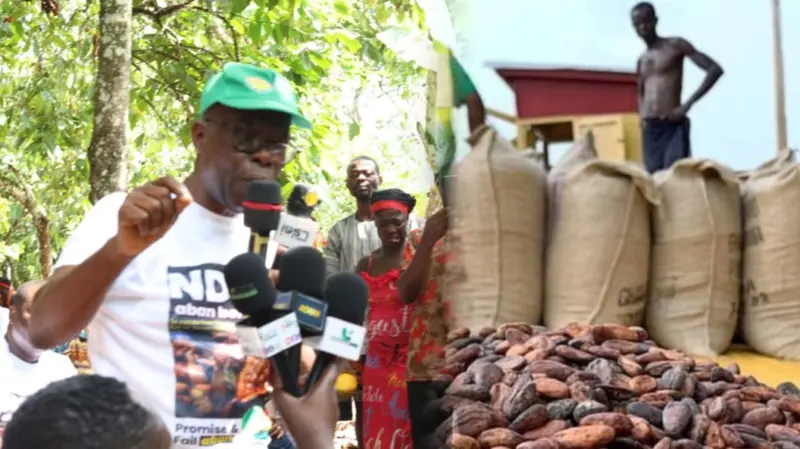
Image: MyJoyOnline
Also covered by
GhanaFront aggregates news from trusted sources. Click to read the original article.
Keywords
Explore related tagsMore from MyJoyOnline
Related Stories
More from Business & Economy
COPEC calls for GH¢1 petrol, continuation of GH¢2 diesel subsidy amid price surge
Will the government heed COPEC's call for fuel subsidies as prices surge?
1d ago•