Minerals Commission alerts public to rise in fraudulent impersonation schemes
The allure of Ghana's mineral wealth has long drawn both legitimate investors and those seeking to exploit the system for personal gain. For decades, the regulatory framework governing the mining sector has been under constant scrutiny, balancing the need to attract foreign investment with the imperative of protecting local communities and ensuring responsible resource management. This delicate balance is often complicated by the involvement of various actors, from small-scale miners to multinational corporations, each with their own interests and priorities. The Minerals Commission, as the primary regulatory body, plays a crucial role in navigating this complex landscape.
Ghana's mining sector is a cornerstone of the national economy, contributing significantly to export earnings and government revenue. Gold remains the dominant mineral, but the country also boasts significant deposits of bauxite, manganese, diamonds, and increasingly, lithium. The sector's growth, however, has not been without its challenges. Issues such as illegal mining (galamsey), environmental degradation, and disputes over land rights continue to plague the industry, demanding constant vigilance and reform. Furthermore, the increasing reliance on digital platforms for business transactions, while offering efficiency, also presents new avenues for fraudulent activities. The global nature of the mining industry makes it particularly vulnerable to sophisticated scams targeting investors and regulatory processes. The perception of corruption, whether real or perceived, further complicates matters, eroding trust and creating opportunities for illicit activities.
The key players in this arena include the Minerals Commission itself, tasked with enforcing regulations and ensuring transparency; mining companies, both large and small, seeking to operate within the legal framework; local communities, often directly impacted by mining activities and seeking fair compensation and environmental protection; and potential investors, both domestic and international, evaluating the risks and rewards of entering the Ghanaian mining sector. Tensions often arise between these groups, particularly regarding land ownership, environmental impact assessments, and the distribution of benefits from mining operations. The stakes are high, not only in terms of financial gains but also in terms of environmental sustainability, social equity, and the overall reputation of Ghana as a reliable and responsible investment destination. The integrity of the regulatory system is paramount to maintaining investor confidence and preventing the exploitation of Ghana's mineral resources.
Several open questions remain that will shape the future of Ghana's mining sector. How effectively can the Minerals Commission adapt to the evolving digital landscape and combat increasingly sophisticated fraud schemes? What measures are being taken to strengthen internal controls and prevent collusion between corrupt officials and fraudulent actors? How will the Commission balance the need to attract foreign investment with the imperative of protecting local communities and ensuring responsible environmental practices? What steps are being taken to improve transparency and accountability in the licensing and permitting processes? And ultimately, how can Ghana ensure that its mineral wealth benefits all its citizens, rather than a select few? These are the questions that demand answers and will determine the long-term sustainability and prosperity of Ghana's mining sector.
Quick Summary
The Minerals Commission has alerted the public to a surge in fraudulent schemes. Imposters are posing as officials - but what are they after?
Summary - read the full story for complete context.
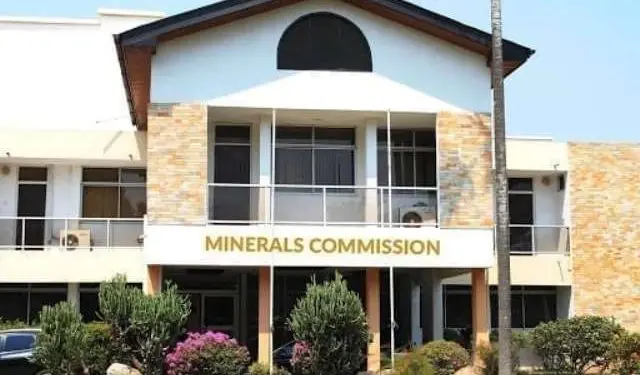
Image: MyJoyOnline
GhanaFront aggregates news from trusted sources. Click to read the original article.
Keywords
Explore related tagsMore from MyJoyOnline
Related Stories
More from Business & Economy

IEAG calls for urgent intervention to decongest ports
Port congestion is worsening - will a high-level government intervention prevent a full-blown economic crisis?
16h ago•2 min read