Mahama cabinet response wins praise as global oil shock deepens

Image: GhanaFront Editorial
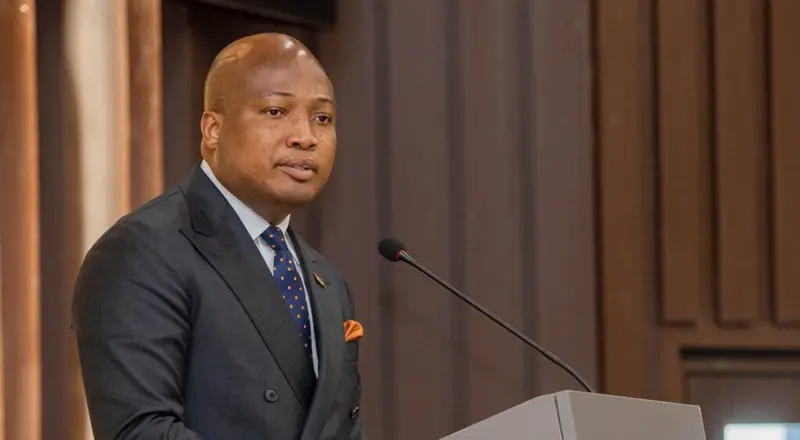
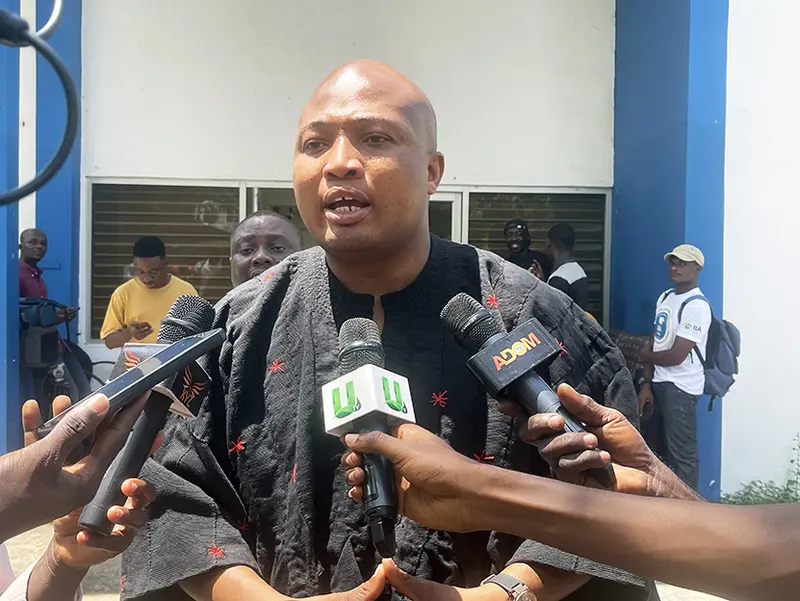
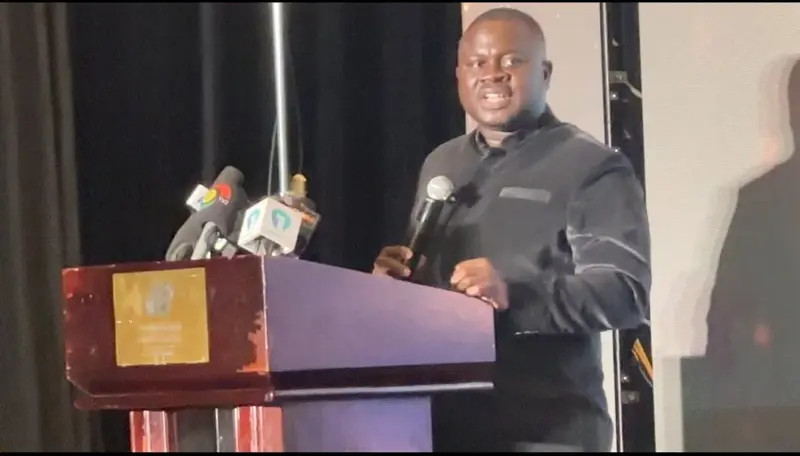
President John Dramani Mahama's emergency Cabinet meeting has drawn support from National Democratic Congress MP for Twifo Atti Morkwa, David Vondee, who says the move reflects the level of urgency required as fresh geopolitical tensions push pressure onto Ghana's economy.
Vondee's remarks follow a recent jump in fuel prices and mounting concern over the international fallout from military exchanges involving Israel, Iran and the United States. The tensions have amplified fears of a wider conflict in the Middle East, with possible consequences for energy markets and countries that rely on imported petroleum products, including Ghana.
Speaking on JoyNews' AM Show on Thursday, April 10, Vondee said the speed of the crisis demanded a serious policy response, arguing that governments around the world were forced to react to a situation that developed with little warning.
Global conflict raises fresh pressure on fuel supply
At the centre of the concern is the Strait of Hormuz, one of the most strategic shipping corridors in the world for crude oil and related energy supplies. Reports that the route has been shut have intensified anxiety across global markets, with traders and governments watching for further disruptions.
The closure of such a key transit point carries immediate implications. When oil shipments face uncertainty, prices tend to react quickly. For import-dependent economies, that translates into higher fuel costs, increased transport charges and broader inflationary strain on households and businesses.
Vondee said the latest conflict had unsettled international markets in ways few had expected. In his view, the crisis was not one that governments could realistically have mapped out in advance with full precision.
"Everything was going well. Nobody knew that Iran, US, and Israel were going to take this kind of war. Unfortunately, that’s happened. What do we do?"
That question, he suggested, is now at the heart of economic decision-making in many capitals, including Accra. Rather than debate whether the warning signs were sufficient, he argued, the priority should be on how states respond to the shock in real time.
Vondee defends government response
The Twifo Atti Morkwa legislator rejected claims that Ghana should somehow have been fully insulated from the external shock before it arrived. He said it would be inaccurate to assume that the government had prior knowledge of the scale and pace of the escalation or that it had enough room to completely protect the economy from the aftershocks.
According to him, the international community itself was caught off guard. As tensions rose and the risk to major shipping routes became clearer, fuel prices reacted sharply, deepening concerns for countries already dealing with inflation and fiscal pressure.
He pointed to what he described as a steep rise in oil prices over a short period, arguing that the changes have added another layer of difficulty to economic management globally.
"Before the war, they were buying a gallon of oil at two dollars. Today it’s more than four dollars," Vondee said.
While the exact pricing structure differs across markets, the political point he made was straightforward: instability in major oil-producing or transit regions can quickly send costs upward, and the effects are felt far beyond the immediate theatre of conflict.
For Ghana, where fuel pricing has a direct effect on transportation, food distribution, production costs and household budgets, such swings can ripple through the wider economy within days.
Emergency Cabinet meeting seen as strategic move
Against that background, Vondee praised President Mahama for summoning an emergency strategic Cabinet meeting to assess the threat and agree on policy resolutions. He described the move as timely and necessary, saying leadership must be judged by how decisively it responds when external events begin to threaten national stability.
His comments frame the Cabinet meeting as more than a routine consultation. In moments of global uncertainty, such meetings become a test of preparedness, coordination and political will. They create space for ministers and economic managers to weigh immediate risks, review available policy tools and agree on measures to contain the domestic impact of global shocks.
Though Vondee did not publicly outline the full content of the Cabinet resolutions during his media appearance, his endorsement underscored a broader message: Ghana cannot control global conflict, but it can choose the speed and seriousness of its domestic response.
He said the President's decision deserved support from across the political divide, especially if the objective is to protect the economy and shield citizens from deeper hardship.
"So for His Excellency John Mahama to call an emergency strategic cabinet meeting to have these resolutions, I think that all of us, all of us, including opposition and whoever wishes Ghana well, must applaud him."
The appeal for bipartisan backing is notable because fuel price increases often become politically charged in Ghana. When pump prices rise, public frustration tends to grow quickly, and governments face pressure not only to respond economically but also to justify the adequacy of their interventions.
Why the stakes are high for Ghana
The latest international tensions come at a time when many economies remain vulnerable to imported inflation. For Ghana, energy costs matter beyond the pumps. Fuel affects the movement of goods, public transport fares, farming inputs, industrial operations and the general cost of doing business.
When global oil markets swing sharply, the pressure often moves through the economy in several stages:
Import costs rise as international crude and refined product prices increase.
Local fuel prices adjust upward, increasing transport and logistics expenses.
Businesses pass some of those costs to consumers through higher prices.
Households face tighter budgets as commuting and essential goods become more expensive.
This is why governments tend to watch geopolitical flashpoints closely, especially when they involve oil supply routes. Even temporary disruption can unsettle markets. If the crisis drags on, the economic consequences can deepen.
Vondee's intervention therefore serves two purposes. Politically, it offers a defence of the Mahama administration's handling of a fresh external shock. Economically, it signals concern that the present conflict could worsen inflationary pressures if the international situation deteriorates further.
A crisis with limited local control
One of the clearest themes in Vondee's comments is the argument that Ghana is dealing with a crisis driven largely by events outside its borders. That does not remove the need for local policy action, but it does shape the type of response available.
Governments cannot reopen shipping lanes in the Gulf or dictate the course of conflict among foreign powers. What they can do is review contingency plans, coordinate with economic agencies, assess revenue and expenditure risks, and consider measures that soften the impact on consumers and critical sectors.
In practical terms, an emergency Cabinet meeting offers an opportunity to examine issues such as fuel price stabilisation, inflation risks, supply chain vulnerabilities and the broader implications for growth. It also allows the government to send a signal to markets and citizens that the situation is being monitored at the highest level.
For now, the wider uncertainty remains. Much will depend on whether tensions in the Middle East ease or intensify in the coming days. If supply routes remain threatened and energy prices continue to climb, governments across the world will face increasing pressure to adapt.
In Ghana, that means economic management will again be tested by forces far beyond national control. Vondee's message is that, in such a moment, swift political coordination matters. His praise for Mahama's Cabinet meeting is rooted in that belief: when global shocks arrive without warning, hesitation can be costly, but early intervention can help steady the ground.
More from GhanaFront Editorial
Related Stories
More from Technology

The Paradox of Plenty - When every smartphone becomes a newsroom
When every phone becomes a newsroom, who controls the story?
2d ago•4 min read