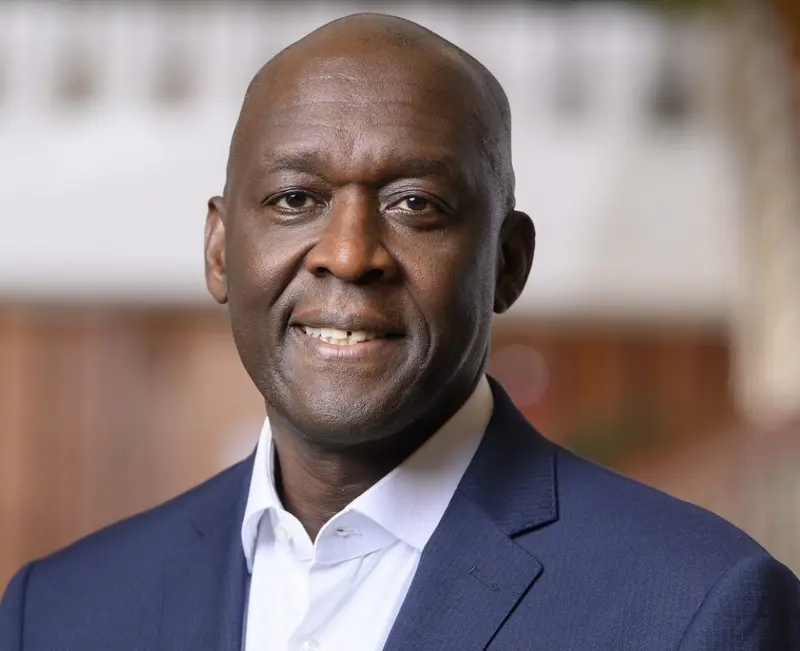
Lom-Nuku Ahlijah calls for urgent action to reduce Ghana's dependence on fossil fuels
Lom-Nuku Ahlijah is a name increasingly associated with Ghana's energy sector, particularly in discussions surrounding the nation's future energy security and its vulnerability to global economic forces. He operates at the intersection of law and energy policy, offering expertise that is sought after when the country grapples with complex energy challenges. His voice carries weight in debates about Ghana's energy mix and the strategies needed to navigate an increasingly volatile global landscape. He is often called upon to provide analysis and commentary on the implications of international events for Ghana's domestic energy market.
Ghana's energy sector has undergone significant transformation over the past few decades. Historically, the country relied heavily on hydroelectric power, primarily from the Akosombo Dam. However, increasing demand and fluctuating rainfall patterns have necessitated a diversification of energy sources. This has led to a greater reliance on thermal power plants, which are fueled by natural gas and other fossil fuels. While this shift has helped to stabilize the power supply, it has also made Ghana more vulnerable to global price fluctuations and supply chain disruptions. The discovery of oil and gas reserves off the coast of Ghana has further complicated the picture, creating both opportunities and challenges for the country's energy future. The debate surrounding renewable energy sources - solar, wind, and biomass - is also intensifying, with advocates arguing for a faster transition to a cleaner and more sustainable energy mix. Ghana's commitment to the Paris Agreement and its own national climate goals adds another layer of complexity to the decision-making process.
Several key players are involved in shaping Ghana's energy policy. The Ministry of Energy plays a central role in formulating and implementing energy strategies. The Public Utilities Regulatory Commission (PURC) is responsible for setting tariffs and ensuring fair competition in the energy market. The Ghana National Petroleum Corporation (GNPC) is the national oil company and plays a critical role in the exploration, production, and distribution of oil and gas. Independent Power Producers (IPPs) also play a significant role in generating electricity. Tensions often arise between these different stakeholders, particularly regarding pricing, investment decisions, and the pace of the transition to renewable energy. The stakes are high, as access to affordable and reliable energy is crucial for Ghana's economic development and social well-being. The country's ability to attract foreign investment, create jobs, and improve living standards depends, in part, on its ability to secure a stable and sustainable energy supply.
Several open questions remain regarding Ghana's energy future. How quickly can Ghana transition to a more diversified and sustainable energy mix? What policy interventions are needed to accelerate the deployment of renewable energy technologies? How can Ghana mitigate its vulnerability to global energy price shocks? What role will nuclear energy play in Ghana's long-term energy strategy? How can the country ensure that its energy resources are managed in a transparent and equitable manner? These are the questions that are driving the conversation about Ghana's energy future, and they are the questions that Ghanaians are looking to their leaders and experts to answer.
Quick Summary
Energy expert Lom-Nuku Ahlijah is advocating for Ghana to reduce its reliance on fossil fuels. He warns that recent global events highlight the vulnerability of economies dependent on imported energy - but what domestic steps could mitigate the impact?
Summary - read the full story for complete context.

Image: MyJoyOnline
GhanaFront aggregates news from trusted sources. Click to read the original article.
Keywords
Explore related tagsMore from MyJoyOnline
Related Stories
More from Business & Economy
COPEC calls for GH¢1 petrol, continuation of GH¢2 diesel subsidy amid price surge
Will the government heed COPEC's call for fuel subsidies as prices surge?
2d ago•