Kwaku Azar writes: A-G vs OSP
Kwaku Azar writes about the Attorney-General (A-G) versus the Office of Special Prosecutor (OSP). The article references Morrison v. Olson, where the U.S. Supreme Court upheld an independent counsel with full prosecutorial powers. The article states this counsel was "not under the Attorney-General's daily control" and "not within the usual chain." The article also mentions Vineet Narain v. Union of India, where the Indian Supreme Court determined independence was required because "the executive cannot be trusted to investigate itself."
The article references Glenister v. President of South Africa, where the Court confirmed that Parliament may create and relocate anti-corruption and prosecutorial functions. The author writes, "We are told Article 88 creates an imperial AG" and that "all prosecution must pass through one political office." The author suggests some urge interpreting the Constitution "as an instrument of paralysis, tying our hands and sentencing us to spectatorship while corruption thrives."
The author states, "No serious constitutional system ties the fight against corruption to the discretion of a single political office." The author also writes, "it takes extraordinary chutzpah to suggest that the Constitution was written to protect corruption by disabling the State."
Quick Summary
Kwaku Azar examines the constitutional powers of the Attorney-General versus the Office of Special Prosecutor. He questions whether one office should control all prosecutions- and what that means for fighting corruption.
Summary - read the full story for complete context.
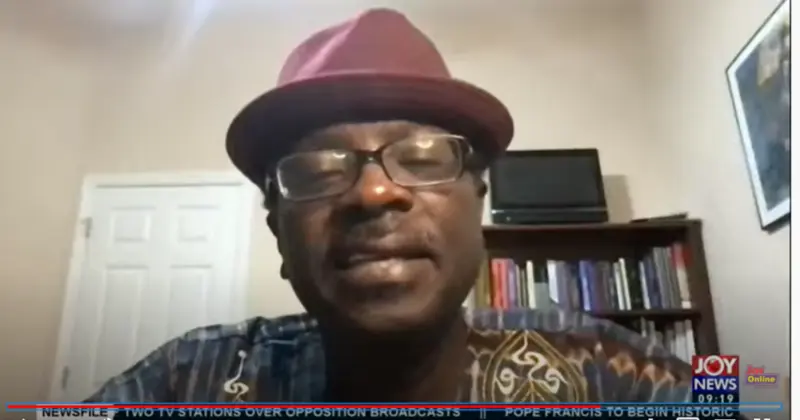
Image: MyJoyOnline
GhanaFront aggregates news from trusted sources. Click to read the original article.
Keywords
Explore related tagsMore from MyJoyOnline
Related Stories
More from Politics
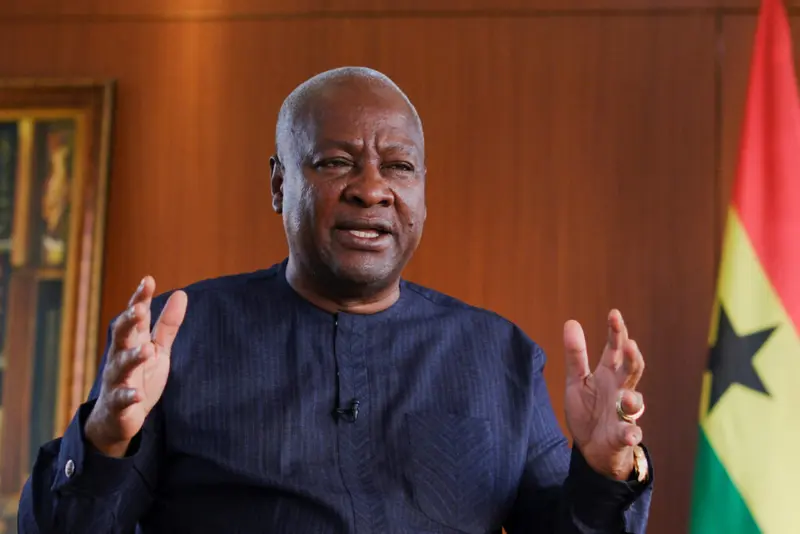
Taxpayers' money shouldn't fund National Cathedral; Christians can contribute towards it - Mahama
Why is Mahama opposing the National Cathedral's current plan? Find out his key objections.
2d ago•