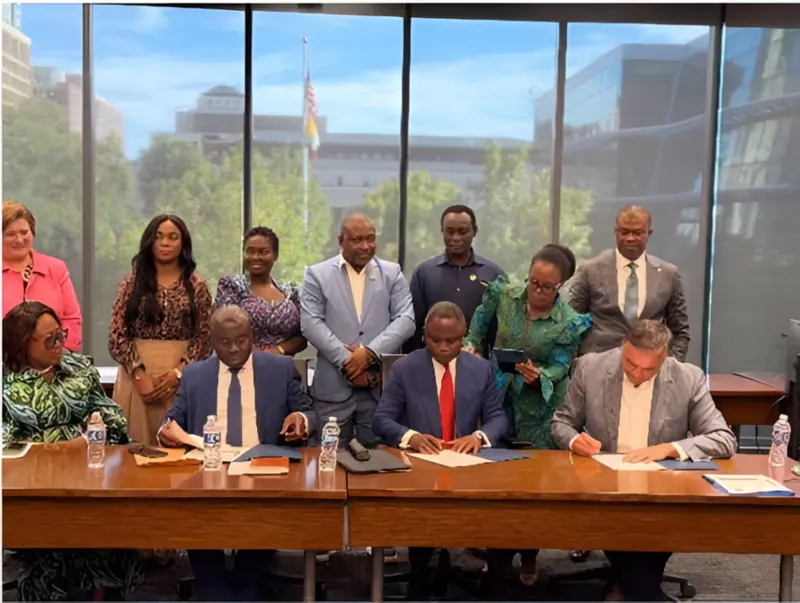
KT To AG, Ato: Withdraw Your Report From Parliament Or Face Me In Court!
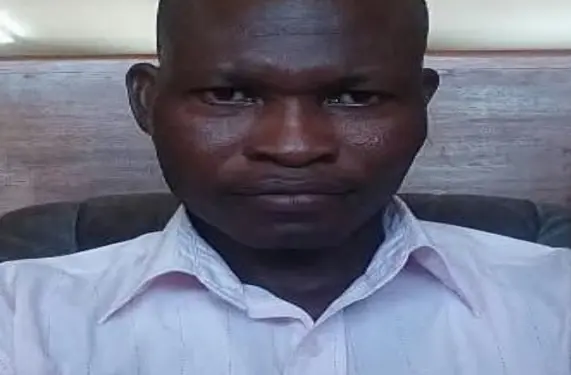
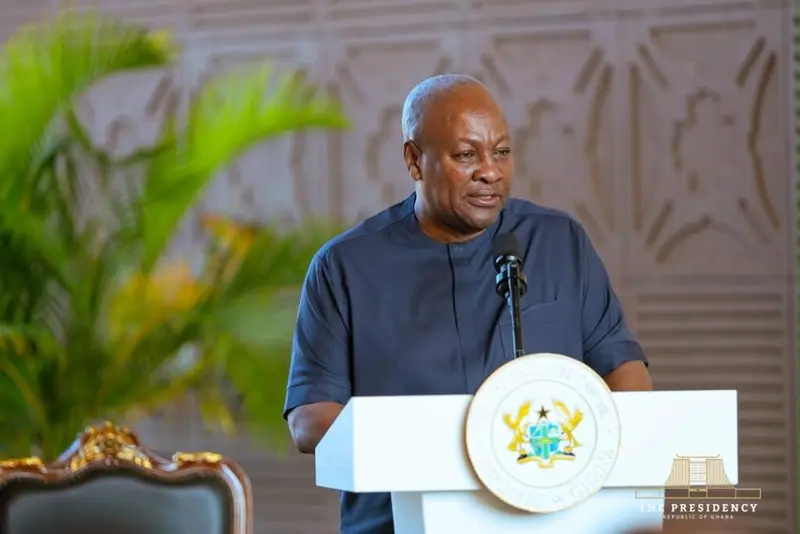
Kobina Tahir Hammond, a prominent figure in Ghanaian politics, and the Ministry of Finance, currently under scrutiny from various corners, find themselves at the center of a brewing storm. The controversy also involves the Auditor-General's Department, tasked with ensuring financial accountability across governmental bodies. This situation highlights the complex interplay between political figures, financial oversight, and the implementation of key government initiatives. The core of the issue revolves around figures connected to the One District One Factory (1D1F) program, a flagship policy designed to spur industrial growth throughout Ghana.
The 1D1F initiative is a cornerstone of Ghana's industrialization agenda. Launched with the aim of establishing at least one factory in each of Ghana's districts, the program seeks to create jobs, boost local economies, and reduce reliance on imports. The policy operates on the principle of public-private partnership, where the government provides incentives and support to private investors willing to set up factories in various districts. This support often includes facilitating access to financing, offering tax breaks, and providing infrastructure. The program's success is seen as vital for Ghana's long-term economic development and its ability to compete in the global market. Any perceived mismanagement or controversy surrounding the 1D1F program, therefore, carries significant weight and public interest. The financial arrangements underpinning the program, particularly government contributions towards interest payments on loans secured by private investors, are now under intense examination.
The key players in this unfolding situation are Mr. Hammond, who previously held a crucial role overseeing trade and industry, and the Ministry of Finance, responsible for managing the nation's finances and ensuring budgetary discipline. The Auditor-General's Department, an independent body, plays a critical role in verifying the accuracy and legitimacy of government financial transactions. The tension arises from conflicting accounts regarding financial obligations linked to the 1D1F program. The stakes are high, not only for the individuals involved but also for the credibility of the 1D1F program itself. Allegations of financial irregularities can undermine public trust in the government's ability to manage resources effectively and can deter potential investors from participating in future initiatives. The potential for legal action further escalates the situation, adding another layer of complexity to the already charged atmosphere.
Several questions remain unanswered, fueling public curiosity and debate. What exactly transpired between the Ministry of Trade and Industry, the Ministry of Finance, and the participating commercial banks regarding the alleged debt? What documentation exists to support or refute the claims made by each party? What will be the outcome of any potential legal proceedings? The answers to these questions will have significant implications for the reputations of those involved, the future of the 1D1F program, and the broader landscape of Ghanaian politics and governance.
Quick Summary
KT Hammond is in a dispute with the Auditor-General's Department and the Ministry of Finance (Ghana) over an alleged GH¢89.4 million debt. Hammond is threatening legal action- but what led to this boiling point?
Summary - read the full story for complete context.
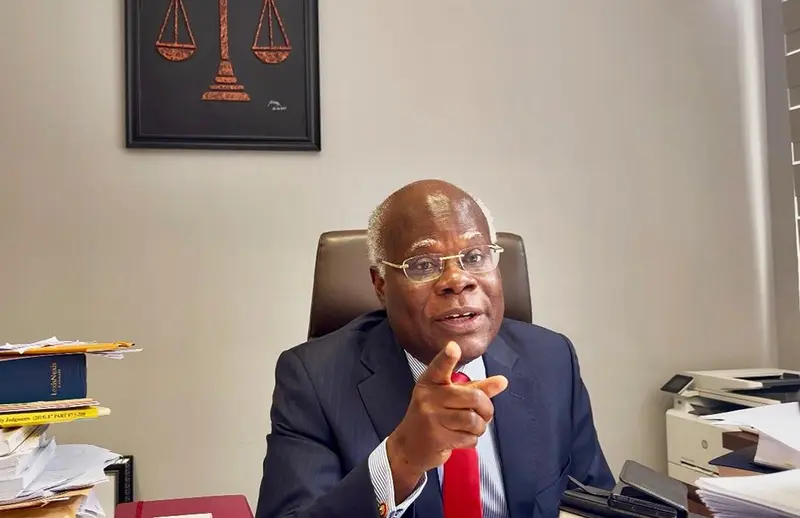
Image: The Chronicle
GhanaFront aggregates news from trusted sources. Click to read the original article.
Keywords
Explore related tagsMore from The Chronicle
Related Stories
More from Politics
NDC Ahafo First Vice Chairman to pay filing fees for incumbent constituency executives
A party leader steps up for grassroots executives - but what is the real motive behind this offer?
2d ago•