Betrayal of brotherhood: How xenophobia in South Africa is burning the bridges of African solidarity
Xenophobia in South Africa is "burning the bridges of African solidarity" in recent waves of violence. Attacks targeting African migrants signal a deeper erosion of historical memory and continental identity.
Independent African states committed scarce resources, diplomatic capital, and human effort to dismantle apartheid. Ghana became a hub for liberation movements, offering training, ideological grounding, and logistical support. Countries such as Angola and Mozambique provided frontline bases for armed resistance movements. Zimbabwe and Zambia hosted exiled activists and political organizations. Nigeria contributed financially. At Adisadel College in the late 1980s, a student named Mayor Agbleze refused to wear sandals for an entire academic year as a symbolic act of solidarity with the imprisoned Mandela. The inauguration of Mandela in 1994 was attended by allies and supporters from across Africa.
Xenophobic violence undermines investor confidence, disrupts small and medium-sized enterprises, and weakens regional integration efforts. Such actions strain relations with neighboring countries and erode South Africa's moral authority.
Quick Summary
South Africa, once a beacon of hope due to the fight against apartheid, now faces a wave of xenophobic violence. These attacks targeting African migrants threaten to undermine the very foundation of African solidarity- but at what cost?
Summary - read the full story for complete context.
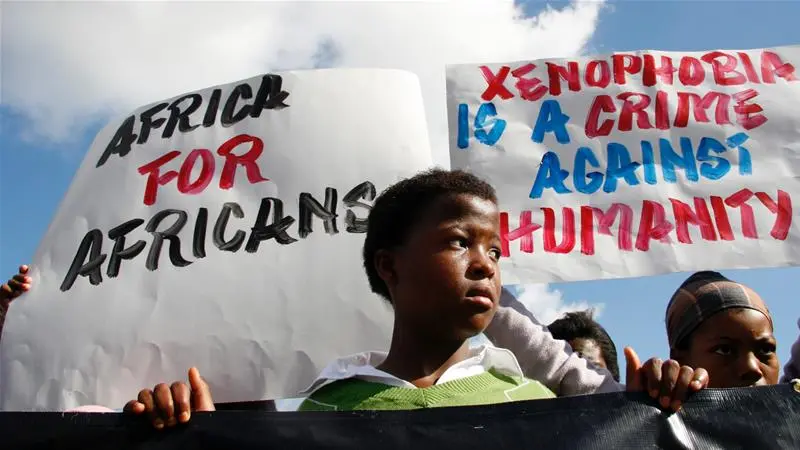
Image: MyJoyOnline
GhanaFront aggregates news from trusted sources. Click to read the original article.
Keywords
Explore related tagsMore from MyJoyOnline
Related Stories
More from Politics

Ghana's narcotics crisis deepens as drug seizures linked to country top US$1bn - Minority
What do recent massive drug busts and unresolved incidents reveal about Ghana's narcotics crisis?
9h ago•