Krachie East MP calls for common African currency to boost continental trade
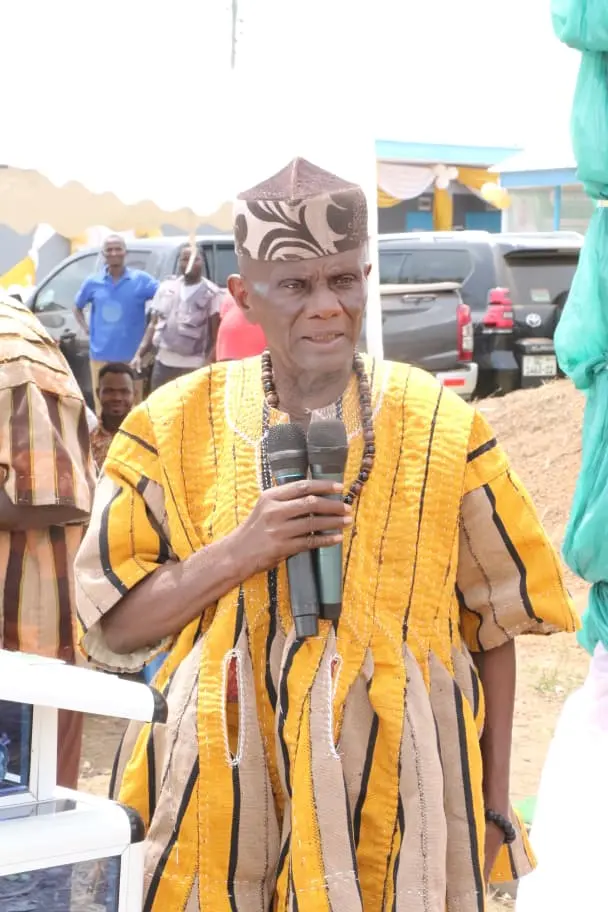
Djabab Kofi Nelson, the Member of Parliament representing Krachie East, is a familiar voice in discussions surrounding Ghana's economic future. He's known for his outspoken views on regional integration and the need for policies that foster greater economic independence for the nation. Krachie East itself is a constituency with a significant agricultural base, making its representative particularly attuned to the challenges faced by traders and businesses involved in cross-border commerce. His persistent advocacy often places him at the center of debates concerning Ghana's role within the larger African economic landscape, particularly regarding trade and monetary policy.
The idea of a common African currency is not new; it has been a recurring theme in discussions about continental integration for decades. The vision is rooted in the belief that a unified monetary system could significantly reduce transaction costs, stimulate intra-African trade, and ultimately boost economic growth across the continent. For Ghana, a nation deeply intertwined with regional trade networks, the potential benefits are considerable. However, the path towards a single currency is fraught with challenges. Differing levels of economic development, varying inflation rates, and the complexities of harmonizing monetary policies among diverse nations have consistently stalled progress. The Economic Community of West African States (ECOWAS), of which Ghana is a prominent member, has long championed the "Eco" as a potential solution for the sub-region, but its implementation has faced numerous delays and setbacks. The debate surrounding a common currency touches on fundamental questions about sovereignty, economic control, and the balance between national interests and regional aspirations.
The key players in this ongoing discourse include not only politicians like Mr. Nelson but also economists, central bank officials, and business leaders across the continent. Tensions often arise from differing perspectives on the optimal approach to economic integration and the perceived risks associated with ceding monetary control to a supranational body. For Ghana, the stakes are high. Successful implementation of a common currency could unlock new opportunities for trade and investment, strengthening its position as a regional economic hub. Conversely, a poorly managed transition could destabilize the economy and undermine its competitiveness. The debate also reflects a broader tension between those who advocate for deeper integration with the global economy and those who prioritize regional self-reliance and the need to address Africa's unique development challenges. The conversation is further complicated by the legacy of colonialism and the enduring influence of external actors on African economies.
Several open questions continue to fuel the debate surrounding a common African currency. What are the specific criteria that must be met to ensure a stable and sustainable monetary union? How can the diverse economic structures and policy priorities of different African nations be effectively harmonized? What safeguards are needed to protect individual countries from economic shocks and ensure equitable distribution of benefits? And perhaps most importantly, what are the political and institutional reforms necessary to build trust and foster a shared commitment to regional integration? These are the questions that policymakers, economists, and citizens across Africa are grappling with as they consider the future of their economies and their place in the global order. The answers will undoubtedly shape the trajectory of the continent for years to come.
Quick Summary
Krachie East MP, Djabab Kofi Nelson, has again raised the issue of a common African currency. He argues that the lack of a unified monetary system is a major impediment to trade across the continent - but what impact could this have?
Summary - read the full story for complete context.
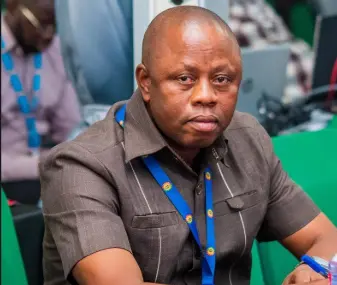
Image: MyJoyOnline
GhanaFront aggregates news from trusted sources. Click to read the original article.
Keywords
Explore related tagsMore from MyJoyOnline
Related Stories
More from Business & Economy
IEAG calls for urgent intervention to decongest ports
Port congestion is worsening - will a high-level government intervention prevent a full-blown economic crisis?
17h ago•2 min read