Karpowership Ghana supports Muslim community with food distribution at Sekondi Naval Base mosque
The coastal city of Sekondi, a bustling hub in Ghana's Western Region, is a place where industry and community intertwine. The area is known for its fishing harbor, its role in the oil and gas sector, and its diverse population. Within this community, the Sekondi Naval Base stands as a symbol of national security and a focal point for local interactions. Religious institutions, like the Naval Base Mosque, play a vital role in fostering social cohesion and providing support to residents, particularly during significant religious observances.
Ghana, a nation with a strong sense of communal responsibility, places great emphasis on corporate social responsibility (CSR). Businesses operating within the country are often expected to contribute to the well-being of the communities in which they operate. This expectation is particularly pronounced during religious holidays like Ramadan, where acts of charity and giving are deeply ingrained in the cultural fabric. Ramadan, a month of fasting, prayer, and reflection for Muslims worldwide, is a time when families come together, and communities rally to support those in need. This tradition of giving is especially important in Ghana, where many families face economic challenges and rely on the generosity of others to make ends meet. The energy sector, a significant driver of Ghana's economy, has seen increased scrutiny regarding its environmental impact and its engagement with local communities. Companies in this sector are under pressure to demonstrate their commitment to sustainable practices and to contribute positively to the lives of those affected by their operations.
The relationship between multinational corporations and local communities in Ghana is often complex, marked by both opportunities and potential tensions. While these corporations bring investment and employment opportunities, they can also face criticism regarding their environmental footprint, labor practices, and community engagement strategies. Key stakeholders include government agencies responsible for regulating the energy sector, community leaders who advocate for the interests of their constituents, and civil society organizations that monitor corporate behavior. The stakes are high, as the success of these corporations depends on maintaining positive relationships with local communities and adhering to ethical and sustainable business practices. Failure to do so can lead to reputational damage, social unrest, and even regulatory action.
Several questions remain regarding the long-term impact of corporate social responsibility initiatives in Ghana. How effectively are these initiatives addressing the root causes of poverty and inequality? Are corporations genuinely committed to sustainable development, or are these efforts merely public relations exercises? What role do government policies and regulations play in ensuring that corporations are held accountable for their social and environmental impact? The answers to these questions will shape the future of corporate-community relations in Ghana and determine whether these partnerships can truly contribute to the country's sustainable development goals.
Quick Summary
Karpowership Ghana has shown its support to the Muslim community in Sekondi with a donation of food items. This initiative aims to assist families during Ramadan- but what impact will it have?
Summary - read the full story for complete context.
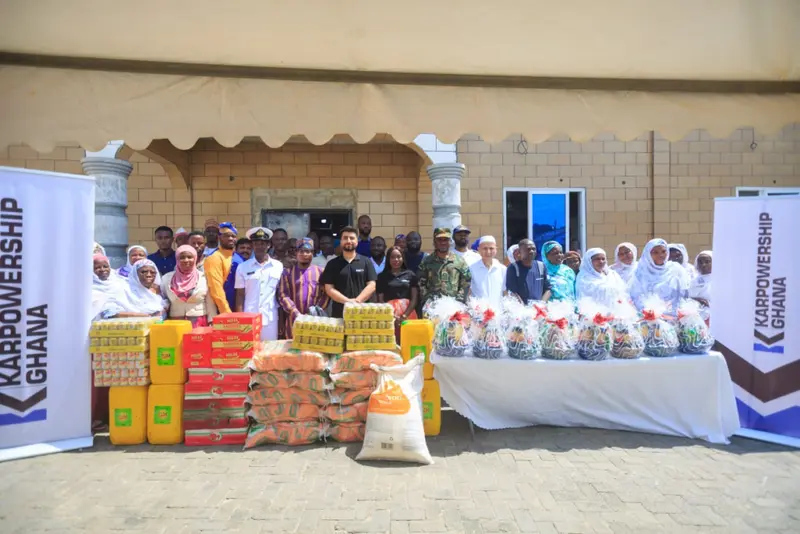
Image: MyJoyOnline
GhanaFront aggregates news from trusted sources. Click to read the original article.
Keywords
Explore related tagsMore from MyJoyOnline
Related Stories
More from Regional

7 out of 10 human trafficking cases in Ghana never reach prosecution - JoyNews Research
Thousands of trafficking victims await justice, but new data reveals a startling gap in Ghana's legal process.
1d ago•