'Insulate the economy now' - Solomon Owusu warns government over war fallout
Solomon Owusu, a prominent voice within the United Party, has recently weighed in on Ghana's economic preparedness amidst escalating global tensions. His role as Director of Communication places him at the forefront of shaping the party's message on critical national issues, particularly those concerning economic stability and resilience. Owusu's background likely involves extensive experience in political strategy and public discourse, making his pronouncements on economic matters closely watched by both supporters and critics. His perspective often reflects the United Party's broader economic philosophy, which typically emphasizes proactive governance and strategic resource management. The context of his remarks is crucial, given the current climate of international uncertainty and its potential impact on Ghana's economic outlook.
Ghana's economic landscape is intricately linked to global events, a reality underscored by its dependence on international trade and commodity markets. The country's history is marked by periods of both economic boom and bust, often influenced by external factors such as fluctuations in commodity prices, global financial crises, and geopolitical instability. In recent years, Ghana has strived to diversify its economy and reduce its reliance on traditional exports like cocoa and gold. However, the nation remains vulnerable to external shocks, particularly those affecting oil prices and supply chains. The ongoing conflict in the Middle East, involving the United States, Israel, and Iran, presents a significant challenge, potentially disrupting global oil supplies and triggering inflationary pressures. This situation highlights the importance of proactive economic planning and strategic resource management to mitigate potential adverse effects on the Ghanaian economy. The debate around import dependence is also a long-standing one in Ghana, with calls for increased local production often clashing with the realities of global trade and consumer preferences.
The stakes are high for Ghana as it navigates these turbulent times. The government faces the challenge of balancing economic stability with the need for long-term structural reforms. Key players include the Ministry of Finance, the Bank of Ghana, and various economic advisory bodies, all tasked with formulating and implementing policies to safeguard the economy. Tensions may arise between different political factions regarding the best course of action, with the United Party often advocating for a more interventionist approach to economic management. The business community, labor unions, and civil society organizations also have a vested interest in the outcome, as their livelihoods and well-being are directly affected by economic policies. The potential for social unrest and political instability looms large if the government fails to effectively address the economic challenges posed by global conflicts. The pressure is on to demonstrate effective leadership and sound economic management in the face of adversity.
Several open questions remain regarding Ghana's ability to weather the storm. Can the government effectively leverage its natural resources, particularly its crude oil exports, to offset the negative impacts of rising fuel prices? What specific measures will be implemented to reduce import dependence and promote local production? Will the government be able to maintain economic stability while simultaneously pursuing long-term structural reforms? How will the government balance the need for fiscal discipline with the imperative to provide social safety nets for vulnerable populations? The answers to these questions will ultimately determine Ghana's economic trajectory in the coming months and years, and the original article likely delves into the specifics of these challenges and potential solutions.
Quick Summary
Solomon Owusu, Director of Communication for the United Party, addressed Ghana's economic vulnerabilities amid global conflicts- urging proactive measures. He suggests Ghana must harness its resources and diversify its economy to withstand external shocks.
Summary - read the full story for complete context.
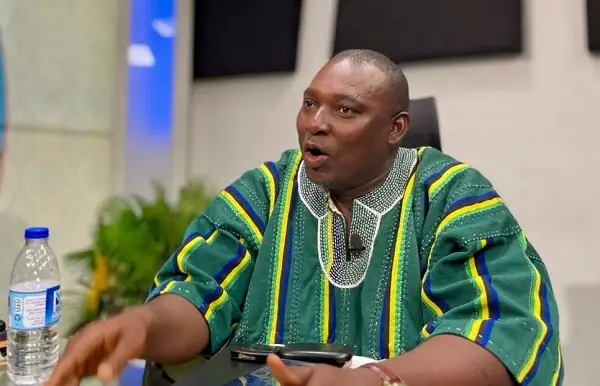
Image: GhanaWeb
GhanaFront aggregates news from trusted sources. Click to read the original article.
Keywords
Explore related tagsMore from GhanaWeb
Related Stories
More from Business & Economy
Development expert outlines blueprint to operationalise Ghana's 24-hour economy
Can a new blueprint unlock job creation and transform Ghana's economy amid a youth joblessness crisis?
2d ago•